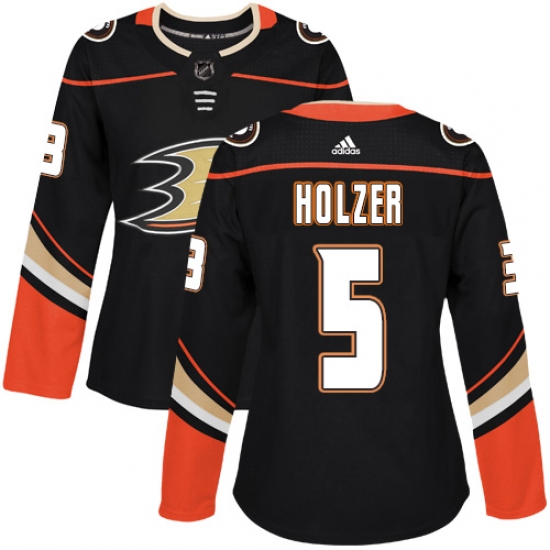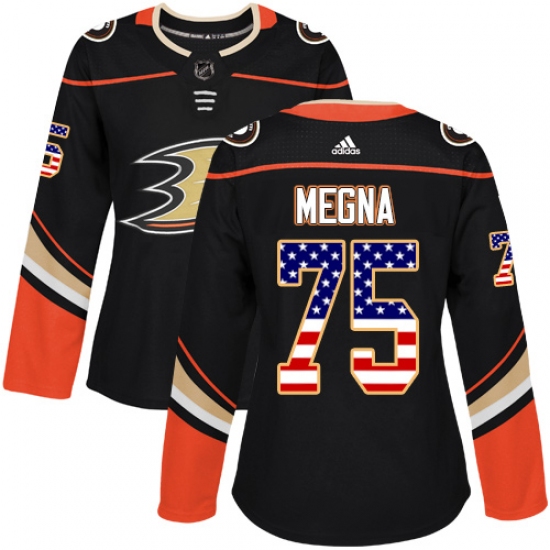
If you source for pro shops, leagues, or a distribution network, the debate over stitched vs printed nfl jerseys decides your margin before a single unit ships. Most resellers hand 30–40% of their profit to overseas middlemen who mark up identical factory output. Others gamble on cheap lots where the twill peels after two washes and the collar curls into a wave. This breakdown covers real production specs, the QC checks that separate export-grade stock from reject lots, and how direct factory buying changes your landed cost.
Stitched means the numbers and letters are cut from Tackle Twill fabric, layered, and sewn onto the jersey body. A proper twill number has two layers — a colored top layer over a contrasting bottom layer — which gives the number its raised, dimensional edge. That construction does not crack, fade, or peel because there is no adhesive film holding it down.
Printed covers three different processes: screen print, heat-transfer vinyl, and dye sublimation. All three bond pigment or film directly to the fabric surface. They are faster to produce and lighter to ship, but they live and die by wash cycles. Heat-transfer vinyl typically degrades between 25 and 40 home washes.
Where stitched wins is resale value. A stitched jersey reads as authentic on the rack, holds its shape through a full season, and can be resold or reissued without visible wear. If your customers are collectors, team stores, or fans paying retail-plus, stitching is the only spec that protects your price point.
Where printed wins is volume and velocity. Practice sets, giveaway nights, summer camps, and youth rec leagues burn through jerseys fast. Nobody needs double-layer twill on a jersey that gets handed out at a Tuesday clinic and never worn again. Print the low-cost line, stitch the retail line, and keep two distinct SKUs in your catalog.
The body fabric matters as much as the decoration. Export-grade stitched jerseys run on 300 GSM heavyweight polyester mesh, not the 180–220 GSM cloth you find on budget lots. Heavier mesh drapes properly, resists the transparency problem under stadium lights, and survives industrial laundry cycles without pilling.
Look for 100% breathable polyester mesh with a moisture-wicking finish. Cheap poly blends trap heat and develop a shine after a few washes. A quick test: hold the fabric to a light source. If you can read a newspaper through it, the GSM is too low for retail-grade stock.
The stitching itself is where factories separate. A production-grade Tackle Twill number should be sewn at 8 to 10 stitches per inch with a consistent edge margin. Numbers stitched at 5 or 6 stitches per inch loosen at the corners and lift within a season. Ask your supplier for the stitch count in writing before you place a bulk order.
Stress points need Z-stitch bar tacks — a tight zigzag reinforcement at the shoulder seams, armpit junctions, and the base of the collar. This is the invisible detail that decides whether a jersey survives a full contact season or splits at the armpit in week three.
A soft interior backing behind every twill number is non-negotiable for youth programs. Raw stitching against bare skin causes chafing, and parents notice immediately. Good factories apply a lightweight tricot or mesh backing panel that covers the thread ends completely without adding bulk.
The collar deserves its own inspection. Reinforced collar bands in 2x2 rib-knit hold their shape through repeated stretching. Single-layer collars on cheap stock flare out after two washes and make the whole jersey look counterfeit — even when the twill work is fine.
This is exactly the spec level you should demand when sourcing stitched NFL jerseys wholesale China direct. Factory-direct pricing only makes sense if the construction holds up to your end customer. Ask for the GSM, the stitch count, and the collar construction before you compare price per unit — otherwise you are comparing two different products at two different quality tiers.
Run this checklist against any sample before you commit to a bulk order:
- Fabric weight: confirm 300 GSM on the spec sheet and verify by weight per piece, not by feel.
- Stitch density: count stitches per inch on one number edge and one shoulder seam.
- Backing panel: turn the jersey inside out and confirm full thread coverage.
- Collar recovery: stretch the collar to 150% and release — it should snap back flat.
- Colorfastness: rub a damp white cloth across the twill and the mesh body; no transfer allowed.
- Size tolerance: measure three pieces from the same lot; chest variance above 1 inch means inconsistent cutting.
Tiered pricing is where the real money sits. A China source factory typically prices in three or four breaks: sample quantity, 50–100 pieces, 100–500 pieces, and 500+. Jumping one tier often cuts unit cost 12–20%. Because most factories cut across multiple leagues on the same line, you can often hit a higher tier by combining NFL, MLB, and NHL styles into a single production run.
Low MOQ programs exist at the source level, usually starting around 10–20 pieces per design for stock blanks and 50+ for full custom names and numbers. The trap is assuming low MOQ means low quality. Verify by ordering one sample first, then a small pilot lot of 30–50 pieces, and inspect before you scale to pallet volume.
On sizing, do not rely on the tag alone. Request the actual measurement chart with chest width, body length, and shoulder-to-shoulder figures. The NFL jersey size chart for adult stock generally runs S–3XL, with youth at S–XL. For linemen, rugby builds, or hockey players layering pads underneath, size up one level and confirm the +2 inch body length option is available.
Care instructions protect your margin on the resale side. Pass these to your end customers with every order:
- Wash inside out in cold water on a gentle cycle.
- Never bleach, never use fabric softener — softener breaks down moisture-wicking finishes.
- Hang dry or tumble on low; high heat shrinks mesh and hardens twill edges.
- Do not iron directly on stitched numbers; use a pressing cloth on low if needed.
- Skip the dryer for jerseys with heat-transfer accents.
Logistics decide your cash flow, not just your landed cost. Air express on a 200-piece order typically lands in 7–12 days after production, which suits restocks and mid-season reorders. Sea freight at 25–35 days cuts per-unit shipping dramatically on pallet volume. Ask whether your supplier quotes DDP — duty paid to your door removes the customs guesswork that kills first-time importers.
Here is the margin math most buyers miss. A printed jersey that costs $6 landed and sells for $18 looks like a $12 margin. A stitched jersey at $11 landed selling for $42 leaves $31. The stitched piece moves slower but pays roughly 2.5x per unit, carries almost no return rate from peeling or cracking, and builds a repeat customer base instead of a one-time transaction.
Production timelines matter for league deadlines. Standard stitched stock ships 5–10 days after payment clears. Full custom with names and numbers runs 12–20 days plus a sample approval stage. Build in a two-week buffer if you are supplying a school district, a tournament, or a season opener — and lock your order before the September and March production peaks when factory lines fill up.
Quality control is your last line of defense. Run AQL-based inspection on every bulk shipment: check 10% of cartons for stitch integrity, size accuracy, and color consistency, and require photo documentation from the factory floor before the lot leaves China. Factories that resist a pre-shipment inspection are telling you something — believe them and find another supplier.
What is the real difference between stitched and printed NFL jerseys? Stitched jerseys use layered Tackle Twill fabric sewn onto the garment, which resists cracking and peeling. Printed jerseys bond ink or vinyl to the fabric surface and typically degrade faster under repeated washing.
What GSM mesh should I look for in wholesale NFL jerseys? For retail-grade stock, 300 GSM heavyweight polyester mesh is the standard. Anything under 220 GSM tends to be transparent, pills quickly, and does not hold a structured shape on the rack.
What is a realistic MOQ for custom jerseys from a China factory? Stock blanks often start around 10–20 pieces per design. Full custom with names and numbers usually starts at 50 pieces, with price breaks at 100, 300, and 500 units.
How do I verify quality before committing to pallet volume? Order one sample, then a 30–50 piece pilot lot. Inspect stitch count, backing panels, collar recovery, and size tolerance against the spec sheet before scaling up.
Stop paying three tiers of markup for the same mesh and twill coming off the same production line. Jerseys Wholesale China ships direct from the source floor with first-hand factory pricing, low MOQ entry points, tiered bulk discounts, and express or sea freight to your warehouse. Review the full stock catalog at www.jerseyswholesalechina.com and request a sample before your next season order locks in.