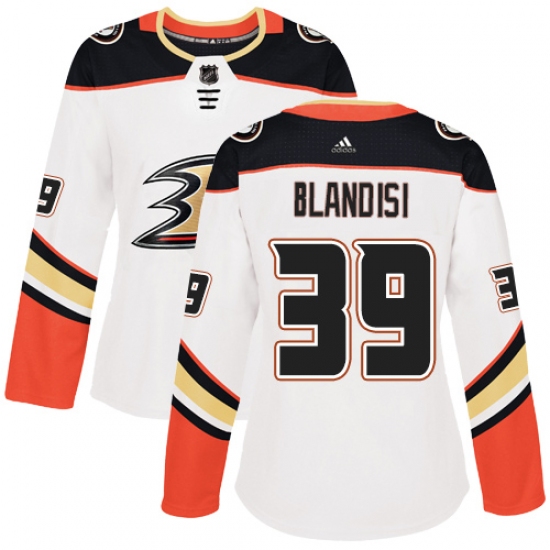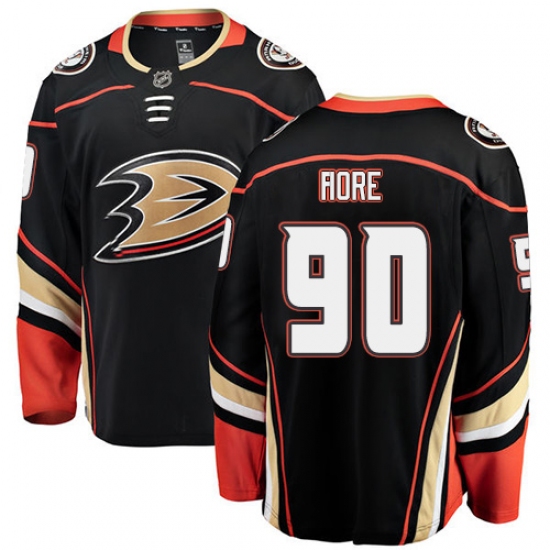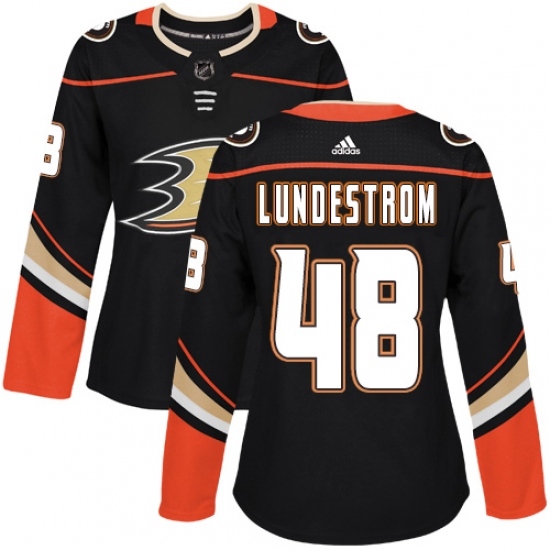
Choosing between stitched vs printed NFL jerseys is the single decision that sets your retail price, your return rate, and your reorder volume. Most overseas buyers get it wrong because their supplier is a trading desk, not a factory. Middlemen add 30-45% on top, ship late, and quietly swap sewn twill for heat-press vinyl the moment a reorder lands. If your margins are thinning and your customers keep filing complaints about peeling numbers, the problem is upstream — never your storefront.
There are only two real construction methods in the wholesale football jersey trade, and they serve completely different buyers. Print work is fast and cheap. Stitch work is slower, heavier, and it is what premium resellers, team stores, and league outfitters keep coming back for season after season.
Printed builds fall into two camps. Dye sublimation fuses pigment directly into the polyester yarn, which means the graphic can never peel, but the color sits flat and dulls under UV. Heat-press vinyl sits on top of the fabric as a plastic layer. It looks sharp on day one and lifts at the edges after 15 to 25 home wash cycles, especially across shoulder stretch zones where the body moves most.
Stitched builds use Tackle Twill. Each number is cut from woven twill fabric, layered for depth, then sewn onto the jersey panel. The outer border gets a satin stitch, and an internal zigzag lock stitch runs across the twill to stop the edge from fraying after contact-heavy use. That is why a properly built stitched number survives 50+ wash cycles and still reads clean.
Fabric weight separates real pro stock from budget filler. Source factories running genuine pro programs use 100% breathable polyester mesh at 280-300 GSM. Cheap counterfeits and low-end blanks sit at 150-180 GSM — they feel papery, lose shape at the shoulder seam, and go see-through when stretched. Heavier mesh also holds a printed or sewn graphic flatter, which matters when your buyers expect a retail-grade drape.
Comfort details are where low-cost suppliers cut corners, and where your customer reviews get written. A soft interior backing panel sits behind every embroidered number and logo so the thread floats away from bare skin. Without it, exposed stitch loops rub the chest and shoulder raw. On a $100+ retail jersey, that single missing layer is the difference between a five-star review and a return.
Collar construction matters just as much. Reinforced collar bands with a double-stitch ribbed knit hold the V-neck shape instead of sagging open after three wears. Inspect this before you approve any bulk order — pull the collar in both directions and watch whether the ribbing springs back or stays stretched.
- Fabric weight: 300 GSM pro mesh vs 160-180 GSM budget mesh
- Number build: 3-layer Tackle Twill sewn vs single-layer vinyl heat press
- Stitch density: 8-10 stitches per inch vs zero stitching
- Interior: soft backing panel vs exposed thread loops
- Collar: double-stitch reinforced ribband vs single-stitch flat band
- Wash life: 50+ cycles intact vs 15-25 cycles before edge lift
Stitched vs printed NFL jerseys is the first thing to settle before you commit volume, because the unit cost gap is real but the resale gap is bigger. A stitched pro-weight jersey does not need a premium price tag to move — it just needs a price tag that reflects what the customer is actually holding. That is the entire margin argument.
Do the math on the reorder side, not the first order. Printed stock wins on order one. Stitched stock wins on orders two through six, because the buyer who paid for sewn twill comes back for the same build. A buyer who watched a vinyl number crack after two months goes looking for a new supplier entirely — and usually blames you, not the factory.
Ask any potential supplier four hard questions before wiring a deposit. How many twill layers sit under each number? What thread spec is used — polyester 40/2 or cheap cotton that shrinks? How many stitches per inch on the twill border? Can they send a pre-shipment inspection report with photos? A trader will dodge all four. A factory floor manager will answer in under a minute.
Thread spec is the most common hidden downgrade. Polyester thread holds color through industrial washing and does not shrink when the mesh relaxes. Cotton thread looks fine at inspection and then pulls tight after the first hot wash, puckering the twill and leaving a visible ripple across the chest panel. Always confirm the thread spec in writing.
Inspection standards should be set before production, not after. Three checks protect a bulk shipment. First, a stitch pull test — grip each number and pull firmly five times; a properly locked satin border does not separate from the twill. Second, a needle detection pass across every unit, non-negotiable when shipping to youth and school accounts. Third, a wash test on random samples through three home-laundry cycles before the batch is released.
Colorfastness gets overlooked until a team manager runs a full kit through a hot wash and the navy bleeds into the white shoulder panel. A simple rub test with a damp white cloth on the darkest color of the jersey catches most dye-lot problems before the container is sealed. Ask for it on every production run, not just the first.
Buying direct changes the economics more than any other lever you control. When you buy through a trading company, you pay their margin, their warehouse overhead, and their currency buffer. Sourcing straight from the production line removes two layers of markup and puts you in contact with the people who actually control lead times. Every build in our stitched NFL jersey line ships with documented twill layer counts, thread specs, and pre-shipment QC photos.
Order sizing needs the same discipline as construction. Match your buy to the size chart, not to gut feel. For football stock, roughly 15-20% of a bulk order should land in the middle sizes where demand concentrates, with a smaller tail at the extremes. Ordering too flat leaves you with dead stock in the rare sizes and empty shelves where the volume actually is.
Care instructions belong on your product page, because they cut your return rate. Tell buyers to turn the jersey inside out, wash cold on a gentle cycle, skip fabric softener, and hang dry. Heat is what kills twill — a dryer on medium will soften the adhesive on any bonded layer and shrink cotton-blend nameplates. Never press an iron directly onto the twill; use a cloth barrier and low heat if wrinkles need handling.
Stock depth and lead time decide whether you can actually serve accounts. Direct factory programs keep popular colorways and sizes on the floor for immediate pull, which means small trial orders ship in days instead of waiting on a full production queue. Custom runs with names and numbers take longer, but the queue is the factory's own — no third party sitting in the middle adding weeks.
If you are building a season-long program, split your buy. Stock the fast-moving sizes in stitched pro-weight mesh so you can fill orders immediately, and place custom stitched runs for the accounts that need their own numbers. That combination keeps cash moving while you capture the higher-margin team business.
Q: Are stitched NFL jerseys worth the higher unit cost?
A: For resale, yes. Stitched twill holds a retail-grade hand feel that printed vinyl cannot match, and it survives far more wash cycles. That translates into fewer returns and stronger repeat orders, which usually outweighs the initial unit gap within one season.
Q: How many washes before stitched numbers start failing?
A: A properly built Tackle Twill number with a satin border and internal zigzag lock stitch typically holds 50+ cold-water wash cycles without separation. Vinyl heat-press numbers usually begin lifting at the edges between 15 and 25 cycles.
Q: What is the minimum order for custom stitched football jerseys?
A: It depends on the build. Stock colorways can move at small trial quantities, while full custom stitched runs with layered twill names and numbers need a higher unit floor to justify setup. Ask for the current MOQ per style when you request pricing.
Q: Can I mix stitched and printed builds in one bulk order?
A: Yes, and many distributors do exactly that. Use stitched pro-weight mesh for premium retail and team accounts, and printed stock for youth leagues, giveaways, and price-sensitive volume. Splitting the buy keeps you competitive at both ends of the market.
Start with a sample, pull the stitches, check the twill layers, and confirm the collar springs back. Then scale. Our factory floor at Jerseys Wholesale China keeps pro-weight mesh stock ready for immediate dispatch, offers flexible low MOQ thresholds, and ships worldwide with documented pre-shipment QC on every batch. Head to www.jerseyswholesalechina.com to review the full source catalog and request first-hand factory pricing for your next order.