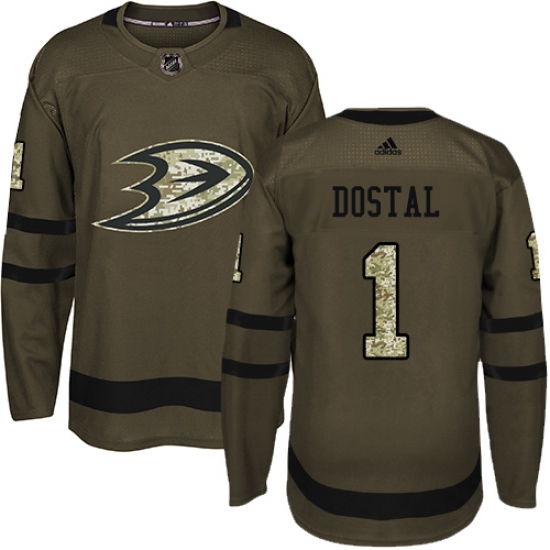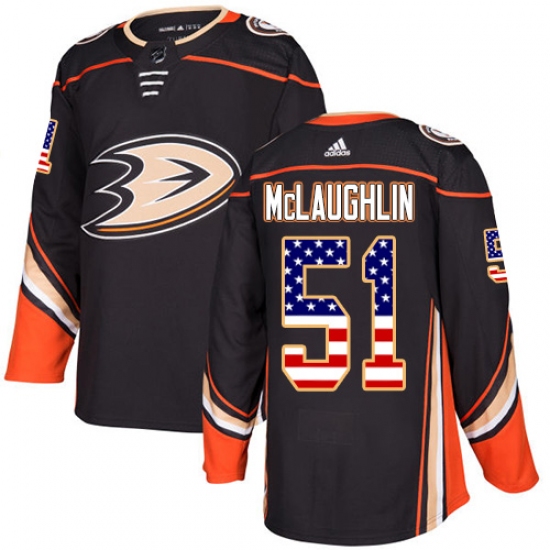
Custom hockey uniforms no minimum is what buyers type when they have a full roster to dress and a budget already squeezed by two or three middlemen. We run the sewing floor, the embroidery heads, and the sublimation presses under one roof in China, so the quote you get is the factory gate price, not a trading company's marked-up number.
That gap is real money. On a 300 GSM stitched hockey sweater, going direct typically trims 30–45% off what a domestic distributor charges. Here is how the sourcing actually works, what to inspect in a sample, and where first-time buyers quietly lose margin.
First, be precise about what "no minimum" means in this trade. Stock blanks in team colorways can ship at almost any quantity, because nothing has to be built from scratch. Decorated uniforms — your crest, your numbers, your name bar — start around 10 units per design rather than the 100-plus that most North American decorators demand. That distinction matters when you are quoting a beer league, a high school program, or a 12-team youth association that needs six different designs.
Fabric is where cheap suppliers hide their margin. Ask for the exact weight, not the word "pro-style." Our stock range covers 100% breathable polyester mesh at 220 GSM for practice shells, 260 GSM for mid-tier retail, and a true 300 GSM heavyweight mesh for pro-cut sweaters with the boxy shoulder and heavier drape. If a quote does not state GSM, assume you are being sold 180 GSM and will get complaints about see-through fabric under arena lights.
Knit structure matters as much as weight. Birdseye mesh moves air and resists snags on the boards. Micro-mesh is tighter and takes sublimation dye with sharper gradients. Tricot has a smooth face that showcases large embroidered crests. For hockey specifically, we usually recommend birdseye for the body and a bonded tricot shoulder yoke, because that panel takes the most abrasion during checks and along the glass.
Decoration is the second place buyers get burned. Double-stitched Tackle Twill numbers should be layered — a base color, a border color, and a top layer where the design calls for it — then edge-stitched at roughly 8–10 stitches per inch. Single-layer, glue-backed numbers peel after a dozen washes and look flat on camera. If you are reselling to collectors or league parents, that difference is the whole product.
Lettering detail separates a $28 sweater from a $70 sweater in the retail market. Ask whether the nameplate is stitched to the body or heat-pressed, whether numbers are kiss-cut or perforated, and whether drop-shadow layers are true separate twill pieces or printed onto the top layer. Printed shadows photograph fine but crack after repeated cycling through a dryer. Twill layers will outlast the jersey itself.
Construction points that never show up in photos but decide your return rate:
- Reinforced collar bands — a second layer of fabric behind the neck trim so the collar does not stretch out after a season of pulling the sweater over a helmet.
- Z-stitch reinforcement at the shoulder yoke, underarm gusset, and hem vents — the three areas that blow out first in contact sports.
- Soft interior backing behind every twill and embroidered crest, so stitch tails never scratch a player's chest or snag on base layers.
- Double-stitched hem and sleeve openings with a folded finish rather than an overlocked raw edge.
For sublimated designs, check the ink. A quality dye-sublimation run should show no white grin-through when the fabric is stretched, no color banding across large gradients, and no stiffness in the printed area. We run a stretch test on every sublimation lot before cutting — pull the panel 30% and inspect under daylight. If the print goes cloudy, the whole roll gets rejected.
Sizing is a quiet profit killer. Hockey sweaters are worn over shoulder pads, so a "large" is not a t-shirt large. Most programs order S through 3XL plus goalie cut, which adds 6 inches of body width and shorter sleeves. Youth sets typically run YS–YXL. Always request the flat measurement chart with chest width, body length, and sleeve length in centimeters, then compare it against a sweater your buyer already owns. Guessing costs you a full reorder.
If you are sourcing decorated uniforms for resale, work through custom hockey uniforms no minimum and request a physical pre-production sample before the bulk run. A sample costs a small fee and 5–7 days, and it locks the fabric weight, twill color Pantones, stitch density, and size grading in writing. Buyers who skip the sample are the same buyers who file claims later.
Artwork handling speeds everything up. Send vector files — AI, EPS, PDF, or a clean SVG — with Pantone references for every color. Raster logos get re-drawn, and re-draws introduce errors. If you only have a photo of an old crest, tell us up front; we will quote a redraw fee and send a digital mock for approval before anything is cut.
Pricing works on tiers, and the tiers are honest. Typical breaks land at 10–49 units, 50–199, 200–499, and 500-plus per design. Small runs carry a higher per-unit cost because setup and digitizing get spread across fewer pieces. Once you pass 200 units per design, the per-piece price flattens out and freight becomes the bigger variable in your landed cost.
Quality control on bulk orders follows a written checklist, not a vibe. We run AQL 2.5 on general defects and 100% inspection on decorated units, checking stitch count, twill alignment within 2 mm, measurement tolerance of ±1 cm, colorfastness at 4+ on the gray scale, and threading at every seam end. Photos of the inspection lot go to the buyer before the cartons are sealed, so nothing ships without a visual record.
Lead times you can plan around: 5–7 days for sampling, 12–18 days for production on runs under 500 pieces, and 2–5 days of packing and documentation. Express air through DHL, FedEx, or UPS lands most orders in the US, Canada, UK, and Australia in 4–8 days. Sea freight runs 22–35 days but cuts cost dramatically above 300 kg — for large league orders, splitting the shipment between air for the first wave and sea for replenishment usually wins.
Packaging can carry your brand at almost no cost. Custom woven neck labels, printed size tags, hang tags, and polybags with your logo are all doable, but they add a setup charge and about 3 days to the schedule. Order them once and reuse the dies on every future run.
Care instructions you should pass to your end customers, because returns drop when buyers know how to treat stitched gear:
- Wash inside out in cold water on a gentle cycle.
- Never bleach, and never use fabric softener — it breaks down mesh fibers.
- Hang dry or tumble on low; high heat shrinks polyester and curls twill edges.
- Do not iron directly over embroidery or twill; press the reverse side with a cloth if needed.
- Air-dry sweaters fully before storage to prevent mildew in the shoulder padding.
The three mistakes we see most from new wholesale buyers: ordering by letter size without a measurement chart, approving artwork from a phone screenshot instead of a Pantone-referenced vector, and choosing fabric by price instead of GSM. Each one shows up as a return, a chargeback, or a league that never reorders. All three are avoidable with a single sample and a written spec sheet.
Margin math for resellers is straightforward. A 300 GSM stitched sweater with tackle twill numbers lands far below market wholesale once you are buying in the 200–500 unit range, and freight per unit drops sharply as the carton count rises. That leaves room to price competitively against domestic decorators while still holding 40%+ gross margin. Consolidate designs into one purchase order to hit the next tier — splitting three 60-piece orders costs more than one 180-piece order every time.
For programs running multiple sports, the same factory floor handles football, baseball, basketball, and hockey, which means one production calendar, one freight consolidation, and one point of contact for the whole athletic department.
Q: Is there truly no minimum order on custom hockey uniforms?
Stock colorways ship at very low quantities. Custom decorated uniforms start around 10 units per design. Below that, per-unit pricing rises because setup and digitizing costs are spread across fewer pieces.
Q: What fabric weight should I order for a competitive league?
Use 260 GSM for recreational and house leagues, and 300 GSM heavyweight mesh for contact leagues where the sweater has to hold up to checks along the boards. Practice shells at 220 GSM are fine and cheaper.
Q: How long does a 300-piece order take?
Roughly 5–7 days for the sample, 14–18 days for production, and 2–5 days for packing. Express shipping adds 4–8 days in transit; sea freight adds 22–35 days.
Q: Can you match our existing team colors?
Yes. Send Pantone references or a physical fabric swatch. We dye-match against that sample and keep the formula on file so your reorders match the first run.
Start with a sample, lock your spec sheet, then scale. Head to Jerseys Wholesale China to browse the full in-stock catalog, request a factory quote, and confirm your tier pricing. First-order buyers get low MOQ access, direct factory pricing with no middleman markup, and worldwide express dispatch on approved orders.