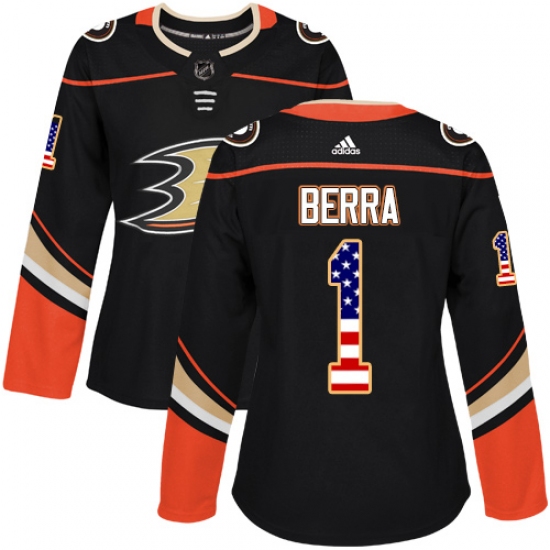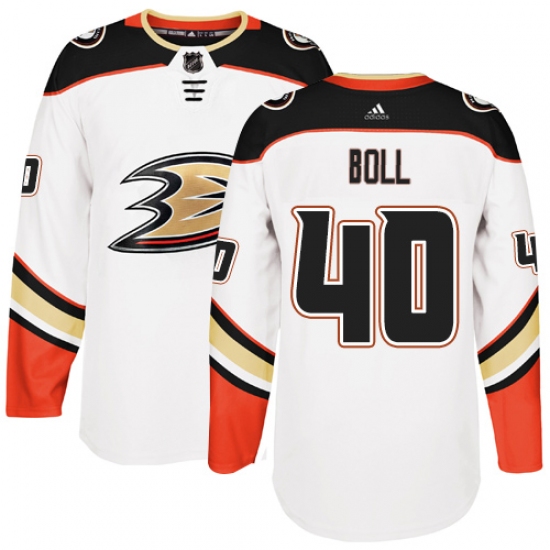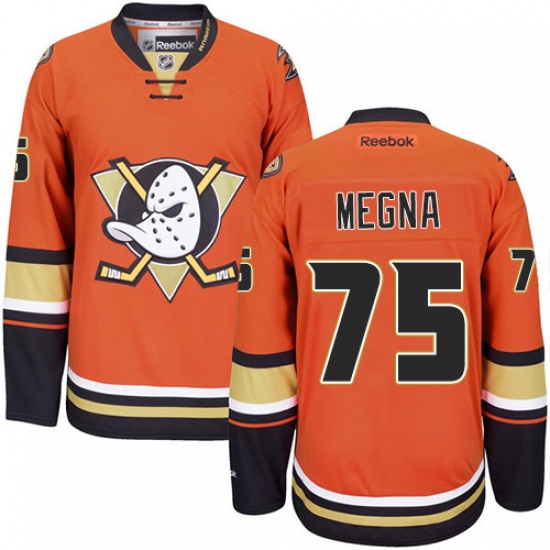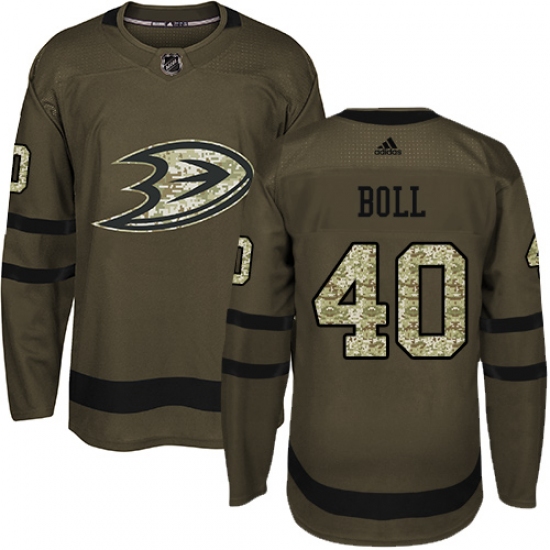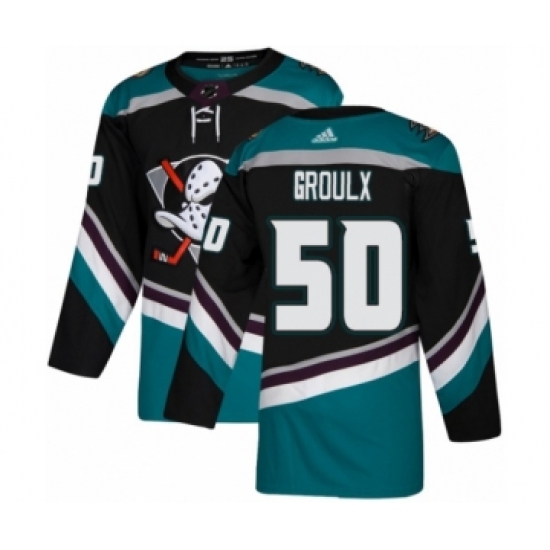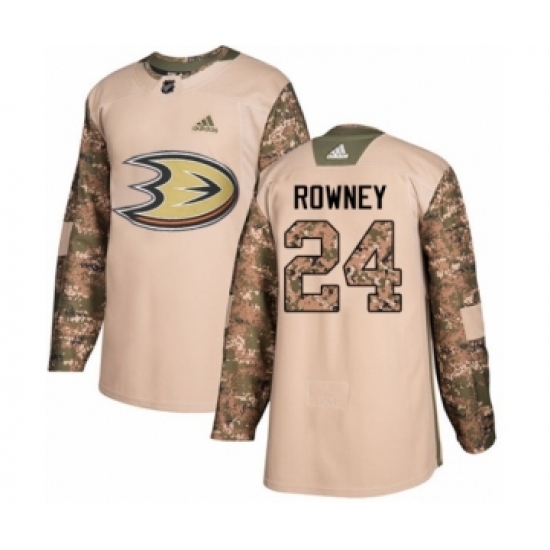
Sourcing custom NFL jerseys with names and numbers at a price that still leaves resale margin is the single hardest part of running a team apparel business. Most buyers pay two or three intermediaries before the goods ever leave a warehouse, then still open cartons full of crooked nameplates and loose sleeve numbers.
This breakdown comes straight from the factory floor in China — fabric weights, stitch counts, inspection tolerances, and the exact questions to ask any supplier before you wire a deposit.
Every layer between you and the machine adds cost and removes accountability. A trading company quoting you a jersey price is usually reselling a factory price plus 18–35%. When a name and number run gets rejected, that trading company has to go back to the plant anyway — so the "convenience" of a middleman disappears exactly when you need help.
Buying direct means you talk to the people who cut the mesh, run the embroidery heads, and pack the cartons. Pricing, lead time, and defect resolution all move faster because there is one party accountable instead of three.
Fabric is where cheap jerseys expose themselves first. A serious football jersey uses 300 GSM heavyweight polyester mesh with a moisture-wicking finish and an anti-pill treatment that survives repeated wash cycles.
Ask for the actual measured weight per square meter, not a verbal claim. A 300 GSM body feels dense and structured in the hand; a 180 GSM substitute feels like a practice pinnie and goes shapeless after four washes. The mesh hole pattern also matters — a tight, uniform hex or diamond knit holds shape better than wide open weave.
Names and numbers are where the profit is protected or destroyed. Tackle Twill construction means the number is cut from a solid twill layer, then a second layer is applied for the outline and drop shadow, giving a raised dimensional look that flat print can never copy.
Each layer should be double-stitched with a dense zigzag around the full perimeter, roughly 8–10 stitches per inch. Cheap work uses 5 stitches per inch and skips the inner row, which is why edges lift after a few washes. Numbers should be laser-cut, not die-punched, so corners stay sharp on digits like 4, 7, and 1.
On the inside, a soft interior backing covers the embroidery thread so it never scratches the player's back or snags on shoulder pads. This is a small detail that separates a jersey a team will reorder from one that comes back as a return.
Stress points need real reinforcement. Look for reinforced collar bands with ribbed knit and a double-row cover stitch, plus Z-stitch bar tacks at the shoulder seams, side vents, and armhole junction.
The shoulder yoke usually gets a separate seam that keeps the jersey from stretching when it is pulled on and off. V-neck and crew-neck versions are both standard, and the neck tape should be cleanly folded with no raw edges visible when the jersey is turned inside out.
Labeling finishes the product. A woven jock tag at the front hem, a heat-transfer neck label (tagless option available), and consistent size markers on the inside collar make a jersey retail-ready without extra work on your end. Custom woven labels carrying your own brand are available on larger runs.
If you want to see the full factory-direct build sheet and stock colors, review the custom NFL jerseys with names and numbers catalog before you finalize your order.
Customization runs off a roster sheet, so send it in the format the factory actually needs: player name in capital letters, jersey number, size per player, plus any sleeve patches, captain's "C", memorial patches, or team wordmarks. Font style, outline color, and stitch color should be specified as Pantone references or hex codes.
Batch quantities matter because embroidery heads are set up per design. Running 12 different numbers in 12 different names is normal, but running 12 different name fonts is not — that multiplies setup time and drives the unit price up.
Sizing is the number one source of reorder problems. Do not order S/M/L/XL blindly. Request the factory's chest, body length, and shoulder-width grid in centimeters and convert it. Most teams need a size run weighted toward L and XL, not a flat spread.
- Adult range: S through 4XL, with 4XL often at a small upcharge
- Youth range: YS through YXL, cut narrower in the shoulder
- Measurement tolerance: ±1 cm is standard, ±2 cm is a warning sign
- Fit note: jerseys are cut loose; if a player wears a large t-shirt, order a large jersey
Sampling is non-negotiable on a first order. A pre-production sample should be produced before bulk cutting, photographed at the embroidery station, and shipped to you for approval. Confirm the layer alignment, stitch density, tag placement, and the collar finish before you green-light production.
Bulk QC should follow an AQL 2.5 inspection on major defects and AQL 4.0 on minor defects. Inspectors check stitch continuity, name spelling letter-by-letter, number alignment against a ruler, thread trimming, and color consistency between the sample and the production run.
Every carton should pass through a needle-detection gate before sealing. A broken needle fragment in a youth jersey is not a defect, it is a liability. Ask your supplier for the needle-detection record — a factory that has one will send it without hesitation.
Wholesale pricing runs in tiers, and the jumps are meaningful. A typical structure moves at 50, 100, 300, and 500 pieces per design, with the largest drop between 100 and 300. If your order lands at 240 pieces, ask whether topping up to 300 unlocks the next tier — the unit savings usually exceed the cost of the extra stock.
Lead times from a China factory are predictable when you plan for them. Sampling takes 5–7 working days. Bulk production on a stitched custom run takes 12–18 working days, longer during August–October when football orders peak. Express air shipping lands in the US or Europe in 5–8 days; sea freight takes 25–35 days but cuts per-unit cost on large volumes.
Verify any supplier on four things before ordering. First, ask for the GSM test report or a photo of the fabric on a scale. Second, request a close-up photo of embroidery at 3x zoom so you can count stitches. Third, ask what happens if 5% of a carton fails inspection. Fourth, ask for two existing B2B references in your region. Vague answers on any of these are your exit signal.
Stitched versus printed is a positioning decision, not just a cost decision. Print is fine for fan giveaways and low-price promotions. Stitched tackle twill is what team managers, schools, and licensed-style resellers actually reorder, because players notice the weight and the raised numbers on day one.
Jersey care protects your reputation after the sale, so put a care card in every wholesale carton. Wash inside out in cold water on a gentle cycle. Skip fabric softener — it coats the mesh and kills moisture wicking. Never iron directly over twill; use a pressing cloth on low heat from the reverse side. Hang dry instead of tumble drying, which is what breaks down stitch tension and causes edges to curl.
The margin math is simple. A factory-direct stitched jersey landed at a low unit cost, sold at 2.2–3x, funds your next order without outside capital. Cutting out two intermediaries is usually worth more per unit than any negotiation you will win on the phone.
Q: What is the minimum order for custom names and numbers?
A: Most runs start at 50 pieces per design, mix-and-match sizes and player names. Some stock colorways are available at lower quantities for a first test order.
Q: Can you match my existing team's font and number style?
A: Yes. Send a photo or vector file of the current jersey and the factory will match the font, layer count, and outline thickness. A physical sample is produced for approval before bulk cutting.
Q: How do I confirm the mesh weight is really 300 GSM?
A: Ask for a cut-square weight test or fabric spec sheet. A 10cm x 10cm square of true 300 GSM mesh weighs approximately 3 grams. Anything noticeably lighter is a downgrade.
Q: What happens if some jerseys arrive with defects?
A: A written agreement should cover replacement or credit on any units failing AQL inspection, with photo evidence submitted within 7 days of delivery. Get that clause in the invoice, not just in chat.
Start your next season with factory pricing instead of trader pricing. The full NFL stock and custom catalog at Jerseys Wholesale China covers every size run, colorway, and stitched customization option, with first-hand factory quotes, low MOQ entry points, tiered bulk discounts, and fast worldwide direct shipping from the production floor to your warehouse.