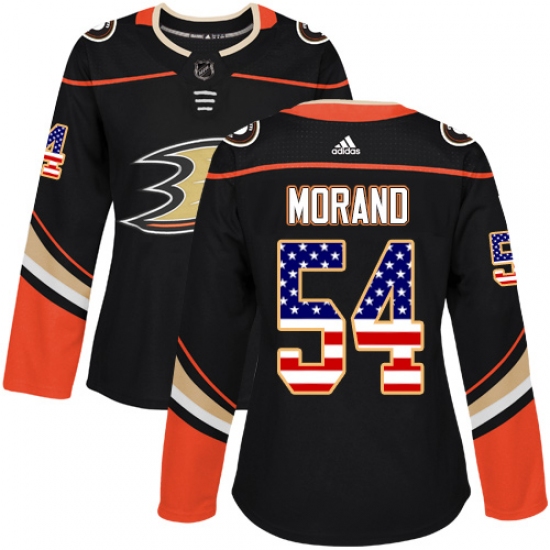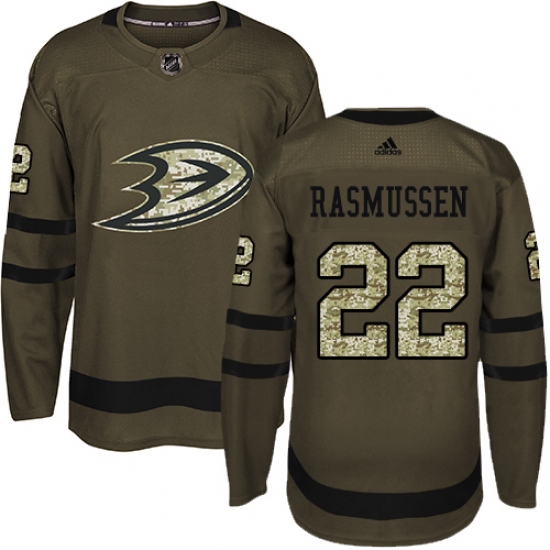
If you are sourcing cheap Los Angeles Chargers jerseys bulk for a retail chain, an online store, or a fan club, the price you pay per unit decides whether the season is profitable. Most buyers never see the real factory cost because two or three trading companies sit between them and the sewing floor. That markup is where your margin disappears. This guide covers what to check before you wire a deposit: fabric weight, stitch construction, QC tolerances, and realistic production timelines. Everything below comes from running bulk orders through the same Chinese production lines for more than a decade.
The first thing to understand is that "cheap" and "low quality" are not the same thing. A factory that produces 40,000 units a month buys fabric by the ton, which drops the per-yard cost far below what a trading company pays on small runs. That volume advantage is passed on to you when you buy direct. The jersey in your hand can still be built to spec while landing 30 to 45 percent under typical domestic wholesale quotes.
Fabric is where most budget suppliers cut corners, so start there. A real pro-grade Chargers jersey uses 100% breathable polyester mesh at 220 to 260 GSM for the body, with heavier 300 GSM mesh reserved for the shoulder panels and tackle areas. Run your thumb across the surface — it should feel dry and slightly rough, not slick or plastic-coated. Slick fabric means a cheap polyester blend that traps heat and pills after three washes.
Numbers and nameplates should be double-stitched Tackle Twill, not heat-pressed vinyl. Tackle Twill is a layered fabric appliqué with satin-stitch borders, and the good factories stitch it with a zigzag lock at the perimeter so the edges cannot lift. Ask for a photo of the reverse side of a finished jersey. If you see loose thread tails or thick glue lines, the supplier is pressing patches and calling it embroidery.
Comfort details separate a jersey that stays on a fan's back from one that ends up in a drawer. Look for a soft interior backing behind every embroidered number and letter so the thread never scratches skin or snags an undershirt. The collar should have a reinforced collar band with twin-needle stitching, and the shoulder seams should carry a bar-tack at the stress points. These are small additions that add maybe 40 cents to the unit cost and eliminate the most common customer complaints.
Stitch density is measurable, and you should measure it. A quality factory runs 8 to 10 stitches per inch on flat seams and 12 to 14 on the embroidery borders. Ask for the SPI spec in writing. Under 6 stitches per inch means the seam will open at the sleeve and hem after a season of wear, and you will be eating the returns.
Sizing is the second most common source of disputes after stitching. Chargers stock runs from S to 3XL, plus a youth range, and chest measurements should run within ±0.5 inch of the size chart. Order one sample in each size band before committing to a full production run. Better yet, ask for a graded measurement sheet with actual numbers from a pulled production unit, not the ideal spec sheet from the sample room.
Color matching matters more than most buyers expect, especially with navy and powder blue. Factories that hold Pantone references and run a lightbox check on every dye lot will keep your navy consistent across repeat orders. If your supplier cannot tell you the Pantone numbers they use, your second shipment will not match your first.
Now, the part that moves your margin. When you buy stitched NFL jerseys wholesale directly from the production floor, there is no trading company commission, no domestic rep fee, and no warehouse mark-up stacking on top of each other. Tiered pricing typically breaks at 50, 200, 500, and 1,000 pieces, with each tier dropping the unit cost further. Resellers who order 500 units of a single design usually clear 2.5x to 3.5x on retail.
Ordering mixed designs is normal and does not break your price tier. Most buyers combine several teams, home and away colorways, and a youth run in one production batch. The factory cuts and sews by design, so batching does not slow the line. Just confirm the pack breakdown in writing — how many pieces per size per color per carton — before production starts.
Quality control is where a good sourcing relationship earns its keep. Standard practice is AQL 2.5 inspection on major defects and AQL 4.0 on minor ones, run at 80 to 100 percent of production completion. Major defects include wrong color, wrong number, missing stitching, and measurement outside tolerance. Ask for the inspection report with photos before your balance payment goes out. A supplier who resists a third-party inspection is telling you something.
Lead times are realistic if you plan around them. Sample approval takes 5 to 8 days. Bulk production for 500 pieces runs 12 to 18 working days. Air express through DHL or FedEx lands in the US in 4 to 7 days, while sea freight takes 25 to 35 days door to door and cuts shipping cost by roughly 70 percent on large orders. If you need inventory before a season opener, place the order at least 60 days out.
Watch for the three red flags that show up in bad bulk deals:
- Fabric weight below 200 GSM — the jersey goes see-through under stadium lights.
- Glued or heat-pressed numbers — edges lift after 5 to 10 wash cycles.
- No measurement sheet — you receive a run that fits differently from your sample.
Care instructions are worth passing to your own customers because they cut return rates. Wash stitched jerseys inside out in cold water on a gentle cycle, skip the fabric softener, and never put them in a hot dryer. Heat is what cracks embroidery backing and shrinks mesh. Hang dry, and iron only on the reverse at low temperature with a cloth between the iron and the fabric.
Payment terms are straightforward with established factories: 30 percent deposit to start, 70 percent against the inspection report and pre-shipment photos. Wire transfer, Alibaba Trade Assurance, and PayPal for smaller first orders are all common. Do not send full payment up front to a supplier you have never audited, no matter how good the sample looks.
Packaging affects your landed cost and your shelf presentation. Standard export packing is one poly bag per jersey, 20 to 30 pieces per carton, with carton dimensions around 60 x 40 x 40 cm. Custom poly bags with your logo cost a small amount per piece and make the product look like a private-label brand instead of a loose bulk item. Ask for the carton weight and CBM before you book freight.
Sustained repeat business comes down to documentation. Keep the approved sample, the measurement sheet, the Pantone list, and the inspection report on file. Send those four documents with every reorder. Factories rotate staff, and paperwork is what keeps your third shipment identical to your first.
Q: What is the minimum order for custom Chargers jerseys?
Most factories here start at 50 pieces per design, with mixed sizing allowed inside that count. Some will run 20 to 30 pieces for a sample order at a higher unit price, which is a reasonable way to test a supplier before committing.
Q: Can I get names and numbers on every jersey?
Yes. Custom player names, numbers, and sewn-on sleeve patches are standard production options. Send a roster in a spreadsheet with size, name, and number columns, and the factory will pull it into the cutting list. Allow 2 to 3 extra working days for personalized runs.
Q: How do I verify quality before full production?
Request a pre-production sample made from the actual bulk fabric, not a sample-room mock-up. Approve it in writing and keep it. Then require an AQL inspection at 80 percent completion with photos of every size band.
Q: What profit margin can resellers expect?
On factory-direct pricing, most US resellers sell at 2.5x to 3.5x cost on single jerseys and 1.8x to 2.2x on team packages. Shipping and import duties are the two variables that move that number most, so price your retail before you place the order.
Stop paying middleman rates for product that comes off the same Chinese sewing lines everyone else uses. Head to Jerseys Wholesale China to view the full Chargers and NFL stock catalog, request current tiered factory pricing, and lock in low MOQ terms with worldwide direct shipping. Send your size breakdown and design list, and you will have a quote and a production schedule back the same business day.