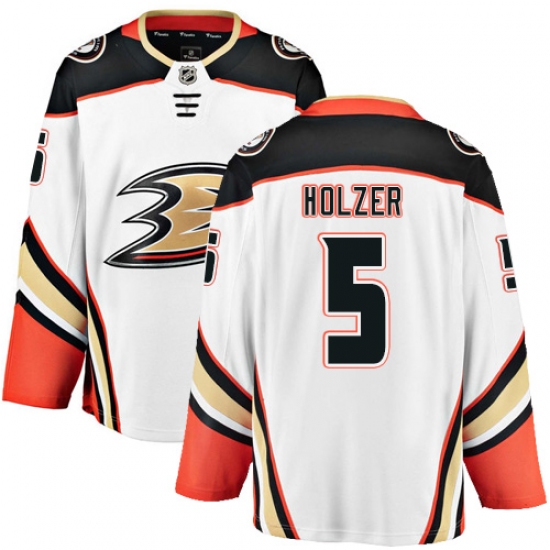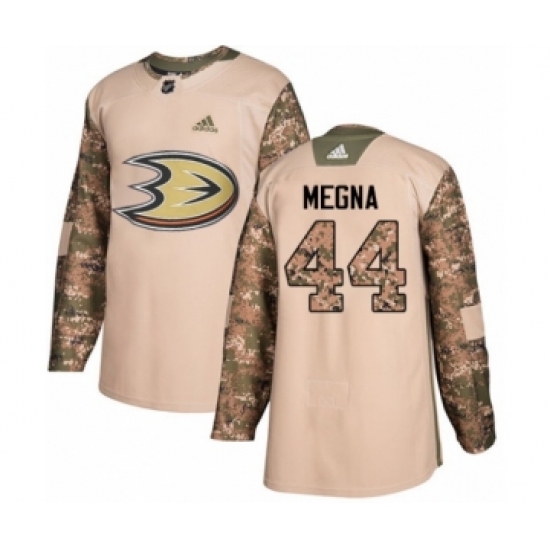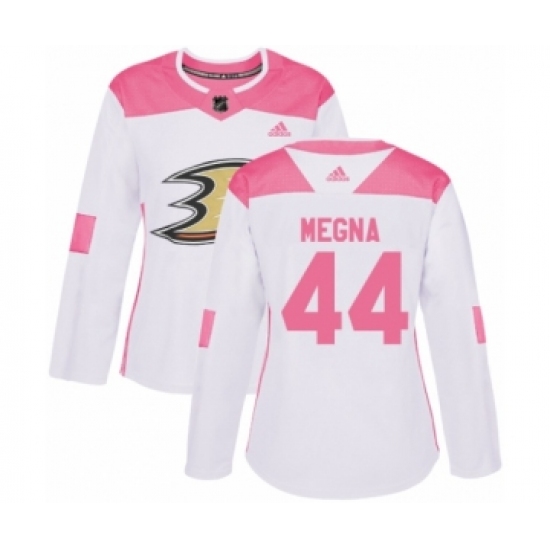
When resellers ask about stitched vs printed NFL jerseys, the real question is usually margin, durability, and return rate. Both options can work, but a direct China factory quote changes the math once you compare stitch density, fabric weight, and bulk pricing. Most buyers lose profit to trading layers, inconsistent QC, and slow restocks. Cheap embroidery that puckers or frays creates refunds, while heavyweight mesh and double-stitched Tackle Twill keep customers coming back. This guide breaks down the specs, inspection points, and sourcing choices that protect your sell-through.
Start with the construction difference. Printed jerseys use screen print, heat transfer, or sublimation to put graphics on the fabric. Stitched jerseys use cut twill layered onto the garment, then sewn down with dense edge stitching. The stitched build has a higher unit cost, but it also carries a stronger perceived value for adult retail, team stores, and collector buyers.
Fabric weight drives hand feel and repeat orders. A 100% breathable polyester mesh at roughly 300 GSM gives a heavyweight pro-style drape that holds shape after washing. Lighter mesh in the 180–220 GSM range can work for youth practice sets and fast-turn fanwear, but it will not feel the same on a retail rack. Ask your supplier for the exact fabric weight, not just “mesh.”
Stitch quality is where factory discipline shows. Demand double-stitched Tackle Twill numbers, tight zig-zag lock stitching around the edges, reinforced collar bands, and soft interior backing behind the embroidery. Loose threads, puckered twill, or a hard backing that scratches the skin will turn a good-looking jersey into a return. Run your hand inside the chest panel before you approve a bulk run.
Printed decoration has a legitimate place. For youth leagues, fanwear, and quick-turn programs, heat transfer or sublimation can lower the unit cost and shorten production. The catch is wash fastness and edge lift. Check stretch recovery, color bleed, and print thickness on a washed sample. A printed jersey that cracks after three wash cycles is not cheap; it is expensive in refunds.
Use a simple buyer matrix before you request quotes:
- Adult retail and team stores: heavyweight mesh with stitched Tackle Twill names and numbers.
- Youth league and practice: lighter mesh with print or heat transfer, sized for low replacement cost.
- Collector and throwback programs: heavier twill layers, accurate color matching, and reinforced collar tape.
- Fast-turn restocks: stock blanks with local decoration or factory stock programs.
Direct factory pricing is not just a lower number. Ask for a cost breakdown by fabric, decoration, cutting, sewing, trimming, packing, and freight. A trading company may hide those line items inside one quote. A real source factory can explain why a 300 GSM stitched jersey costs more than a 180 GSM printed one, and where you can cut cost without cutting the spec.
If you need a reliable starting point for stitched NFL jerseys, compare stock blanks against custom build slots. Stock programs move faster and suit resellers testing new teams or colors. Custom builds give you control over name and number placement, sleeve patches, and size runs. The right choice depends on your sell-through, not on the lowest sample price.
MOQ should match your sell-through, not your warehouse ambition. Low MOQ is useful for testing team colors, player names, and size splits. Ask whether mixed sizes can count toward one run and whether name and number sets can be packed by player. If a supplier pushes a large first order without a sample, treat that as a warning sign, not a discount.
Sampling is non-negotiable. Order one sample with a player name, number, and any sleeve patch. Wash it twice, measure the chest and length, inspect twill edges, and pull at the collar band. A good sample should survive normal wear without edge lift or thread fray. Keep the sample as your bulk reference and photograph every detail before production starts.
A practical bulk QC checklist should include:
- Measurement tolerance: flat chest and length within your approved range.
- Stitch density: no gaps, loose threads, or skipped stitches on numbers and letters.
- Backing softness: interior backing should not scratch or bunch.
- Colorfastness: wash test for bleed, especially on dark navy, red, and black mesh.
- Needle damage: no picks, pulls, or holes in the mesh.
- Packing count: size ratio, name/number match, and carton labels verified.
Lead time planning separates smooth resellers from stressed ones. Stock blanks usually move faster than fully custom names and numbers. Custom runs need time for artwork check, fabric cutting, decoration, sewing, and final inspection. Ask for a written production calendar before deposit, then book air freight for urgent restocks and sea freight for planned bulk. Do not let a low quote hide a slow ship date.
Size runs need US sizing discipline. Confirm chest width, body length, and sleeve length against a US size chart, not an unlabeled Asian fit. Check youth sizing separately, because a “small” in one factory may fit like a medium in another. If you sell to team managers, ask for a full size run photo with measurements before you commit to a bulk order.
Care guidance reduces returns. Tell buyers to wash inside out in cold water, skip bleach and fabric softener, and hang dry. Heat kills mesh shape and can lift twill edges. Never iron directly on stitched numbers or printed graphics. A simple care card in the poly bag protects your reviews and lowers replacement claims.
Watch for red flags in factory quotes. Too-low pricing often means single-stitched numbers, thin mesh, no interior backing, or mismatched twill colors. A supplier who cannot show QC photos, measurement reports, or a wash test is asking you to carry the risk. Ask for actual production photos, not catalog renders. The difference between a clean bulk run and a costly claim is usually visible before shipment.
Margin math should include landed cost, payment fees, marketplace fees, and returns. Stitched adult jerseys can support higher retail pricing, while printed youth jerseys drive volume with lower ticket prices. Use bulk tiers to protect cash flow, but do not buy on price alone. A slightly higher unit cost with consistent sizing and clean stitching usually produces a better repeat rate than the cheapest quote.
Q: Are stitched jerseys always better than printed jerseys? No. Stitched Tackle Twill wins on perceived value and durability for adult retail. Printed jerseys win on cost and speed for youth, fanwear, and fast-turn programs. Match the decoration to the buyer.
Q: What fabric weight should I order for retail? For adult pro-style retail, start around 300 GSM heavyweight polyester mesh. For youth and practice sets, 180–220 GSM can be enough if the stitching and size grading are clean.
Q: How do I check stitching before a bulk order? Inspect the sample inside and out. Look for double-stitched Tackle Twill edges, tight zig-zag stitching, soft backing, and reinforced collar bands. Wash it twice and recheck for puckering or loose threads.
Q: What is a realistic MOQ and lead time? It depends on stock versus custom names and numbers, fabric weight, and decoration. Ask for a written quote with MOQ, sample time, production time, and shipping method before you pay a deposit.
Ready to protect your margin? Visit shop the full NFL jersey catalog at www.jerseyswholesalechina.com to review direct factory pricing, low MOQ options, and worldwide shipping support. Compare fabric weights, stitching specs, and bulk tiers before you place your next order, then lock in a sample that matches the quality your buyers expect.