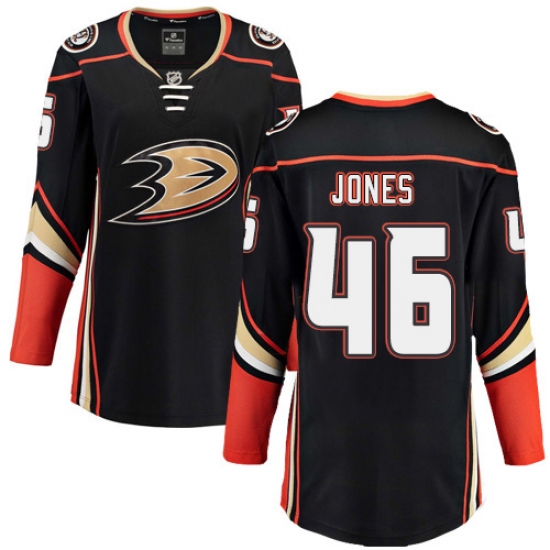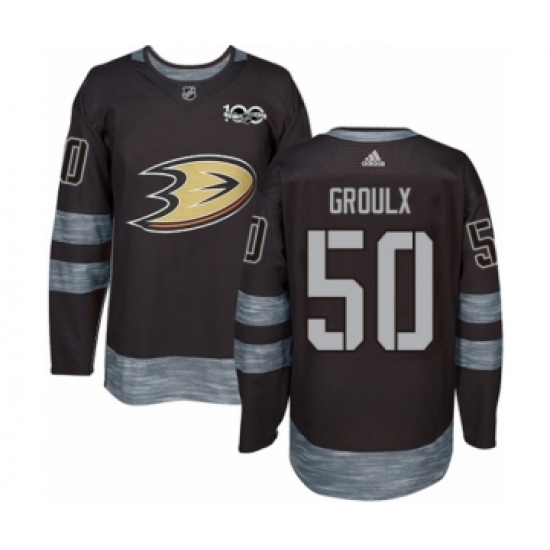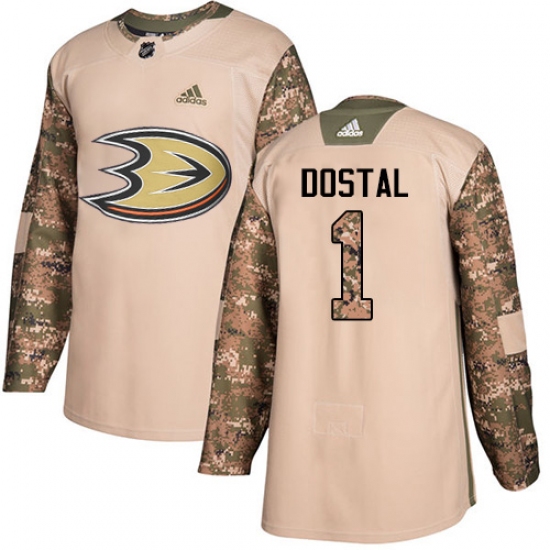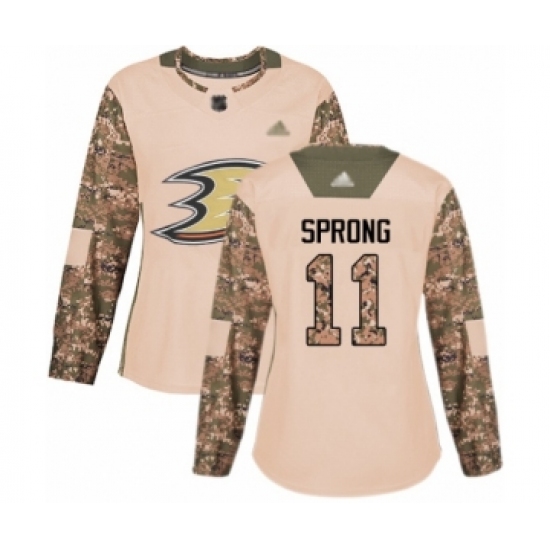
If you are sourcing las vegas raiders jerseys wholesale and still paying two or three middlemen before the goods reach your warehouse, your margin is already gone. Distributors across the US, Canada, and Europe face the same squeeze: inflated landed costs, inconsistent stitching on cheap offshore stock, and production windows that stretch past the season. This guide breaks down what a real China source factory delivers — fabric weight, stitch construction, QC standards, and volume pricing — so you can buy Raiders stock with confidence and resell it at a margin that actually works.
Most buyers searching for las vegas raiders jerseys wholesale start with price and regret it later. The cheap listings usually hide thinner fabric, printed numbers that peel after three washes, and a single-layer shoulder twill that puckers at the seam. Factory-direct sourcing works differently when the supplier controls cutting, embroidery, and finishing under one roof. You get a fixed spec sheet, batch-level inspection reports, and pricing that reflects production cost — not four layers of reseller markup.
Start with fabric, because it determines how the jersey feels on the shelf and how it survives the wash cycle. A serious supplier runs 100% breathable polyester mesh at roughly 300 GSM for the body, with a slightly lighter mesh panel through the side and underarm zones for airflow. Ask for the actual GSM reading in writing. Anything under 240 GSM feels papery, clings to the body in humid weather, and generates returns. The heavier knit drapes properly, holds shape after repeated laundering, and photographs well — which matters when your buyers are shopping from listing photos.
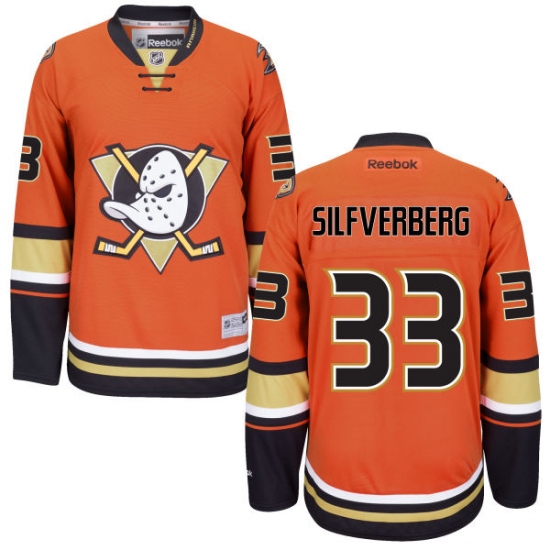
Stitch quality is the second filter, and it separates real factory stock from trading-company stock. The Raiders script and shield marks should be executed in double-stitched Tackle Twill — two layers of twill, dense zig-zag coverage around the perimeter, and a clean satin stitch on the interior edge. Look for reinforced collar bands with a second row of lockstitch, because the neckline takes the most stress when buyers pull a jersey over their heads. Shoulder seams and armholes need the same treatment. A single-stitch finish costs the factory pennies less and costs you a refund.
The interior is where most low-cost suppliers cut corners, and it is the first thing a retail buyer notices. Ask for a soft interior backing behind every embroidered patch and twill number. Without it, the reverse side of the stitching scratches against bare skin, especially on the chest and upper back. A proper backing layer is bonded or stitched flat, adds almost no weight, and turns a costume-grade jersey into something a fan will wear all season. This single detail is one of the clearest signals of a real source factory versus a reseller with a drop-shipper behind them.
Custom work is where volume buyers make their real money. Team stores, league resellers, and event vendors need names and numbers that match the on-field look, not a heat-pressed approximation. Confirm three things before you place a bulk order:
- Sewn nameplate lettering in tackle twill or embroidered twill, color-matched to the team palette
- Double-stitched numbers with a defined border stitch and no visible thread tails
- Jock tag and hem tagging that can be customized for your own brand or left blank for retail
Raiders colorways are unforgiving. Silver, black, and the specific shade of Raiders grey are easy to get wrong, and a mismatched silver reads as counterfeit to any fan. Before a bulk run, request physical color swatches or a pre-production sample photographed under neutral light. Compare the silver against a known retail piece. Reputable factories will send a sample in seven to ten days and hold the approved swatch on file for every future run, which keeps your fifth order consistent with your first.
Sizing accuracy protects your sell-through rate. US buyers expect a true athletic cut, and a jersey that runs a full size small will produce a return rate that kills your margin. Ask your supplier for a measured flat-lay chart — chest width, body length, sleeve length — rather than a generic S/M/L table. Youth sizes deserve their own spec, since youth football programs order in blocks of twenty to forty units and expect every piece in the block to match.
Now to the sourcing decision itself. When you compare NFL jerseys at factory-direct pricing, check the supplier against five concrete criteria rather than a glossy catalog:
- In-house production: cutting, embroidery, and finishing under one roof, not outsourced across three workshops
- Written spec sheet: fabric GSM, stitch type, twill layers, and backing material stated per style
- Pre-shipment inspection: AQL 2.5 sampling on stitching, sizing, color, and labeling before cartons leave
- Reorder consistency: approved swatches and spec files archived per SKU
- Real lead times: stated production windows for stock versus custom runs, in writing
Batch pricing is where the direct model pays off. Typical factory tiers work in steps — sample or single-unit pricing at the top, a mid tier around 50 to 99 pieces, and the best per-unit rate at 100 to 500 pieces and above. Because you are buying from the production source, the gap between the sample price and the 100-piece price is usually far wider than what a domestic wholesaler can offer. That gap is your margin. Plan your opening order at the tier above your expected sell-through so you land in the better bracket without overstocking slow sizes.
Quality control at the factory level follows a repeatable checklist. Before any carton ships, a solid supplier runs a random sample across the run and checks stitch density at stress points, twill alignment against the approved artwork, collar band tension, interior backing adhesion, size measurements against the spec chart, and labeling accuracy. Ask for the inspection report with photos. If a supplier cannot produce one, you are buying on hope. For a first order, budget for a third-party inspection on top of the factory's own check — it costs a fraction of a single chargeback.
Stitched versus printed remains the most common question from resellers, and the answer depends on your customer. Printed jerseys are cheaper at low volume but fade and crack, which drives returns. Stitched jerseys cost more per unit but hold value, photograph better, and command a higher retail price. For Raiders stock aimed at adult fans and collectors, stitched is the default. For youth program bundles and giveaway tiers, a quality heat-transfer option can work — but specify the transfer grade and test it through at least ten wash cycles before committing to a large run.
Shipping and consolidation decide your landed cost as much as the unit price does. A source factory should offer flexible logistics — air express for urgent restocks, sea freight for full cartons, and consolidation of multiple teams into one shipment so you are not paying separate freight on every SKU. Ask for carton dimensions and weights per size run, because dimensional weight can quietly add 15 to 20 percent to your freight bill. Group your order by team and size curve to fill cartons efficiently and cut per-unit shipping cost.
Care guidance belongs on your product listing, not buried in a policy page. A short care block reduces returns and builds trust with repeat buyers:
- Turn the jersey inside out before washing to protect twill and embroidery
- Machine wash cold on a gentle cycle, or hand wash stitched pieces
- Skip fabric softener, which breaks down mesh fibers and dulls the finish
- Hang dry or tumble on low; high heat shrinks mesh and warps twill
- Never iron directly over stitched numbers — use a cloth barrier on low heat
Margin math is straightforward once the landed cost is real. A stitched Raiders jersey bought at a 100-piece tier typically lands well below domestic wholesale, leaving room for retail pricing that undercuts local sporting goods stores while still returning a healthy percentage per unit. Track your numbers per SKU — landed cost, freight share, return rate — and reorder the size curve that actually sells. Silver and black adult sizes move fastest; youth blocks sell in predictable bundles around flag football and school seasons.
For buyers running multiple teams, the same factory relationship scales. Consolidating Raiders stock with other NFL, MLB, NBA, and NHL programs into one supplier reduces your admin load, locks in consistent quality standards across every category, and often unlocks better freight rates through combined shipments. That is the practical advantage of the direct model: one spec standard, one QC process, one point of contact for the whole catalog.
Frequently Asked Questions
What is the minimum order for Raiders jerseys?
Stock styles typically start at small quantities so you can test the market, while custom names and numbers usually begin around 20 to 30 pieces per style. Confirm the exact threshold with the factory before you build your order.
How long does production take?
Stock orders commonly ship in three to seven business days. Custom stitched runs with names and numbers generally need 10 to 15 business days, plus transit time. Always get the production window in writing.
Can I order a sample before a bulk run?
Yes, and you should. A pre-production sample confirms fabric weight, silver color match, stitch density, and sizing before you commit to a full batch. Approve it in writing and ask the factory to archive the spec.
How do I verify quality before shipment?
Request the factory's internal inspection report with photos, and for first orders add a third-party inspection using AQL 2.5 sampling. Check stitching at stress points, twill alignment, collar band tension, and size measurements against the approved chart.
Ready to lock in factory-direct pricing on Raiders stock and the rest of your team catalog? Head to www.jerseyswholesalechina.com to browse the full in-stock source catalog, request current tier pricing, and confirm low-MOQ terms with worldwide direct shipping. One supplier, one quality standard, and a landed cost built for reseller margin.