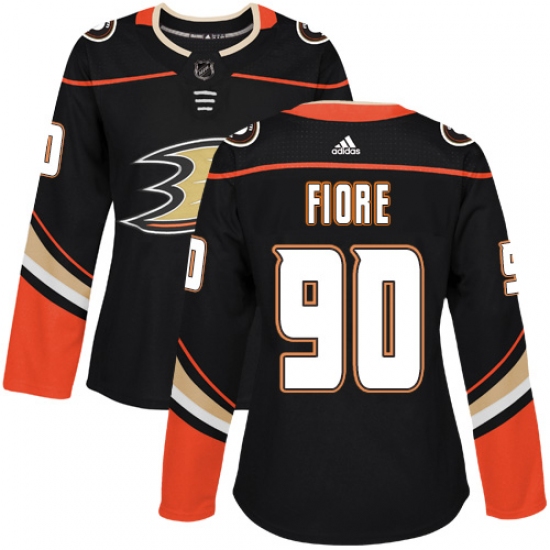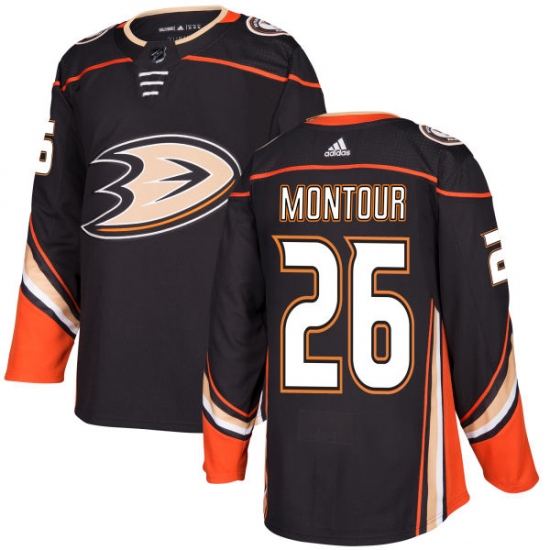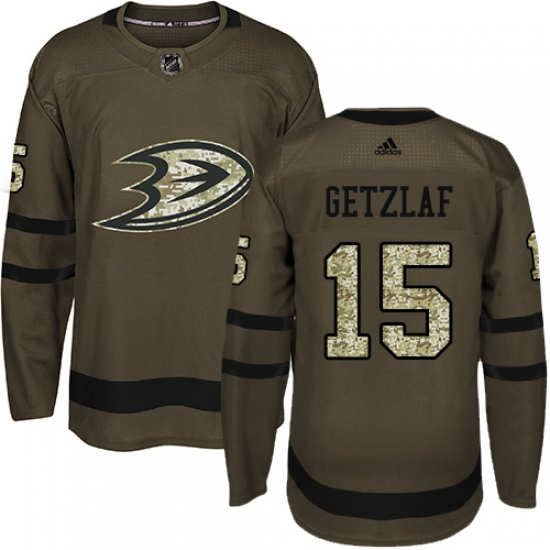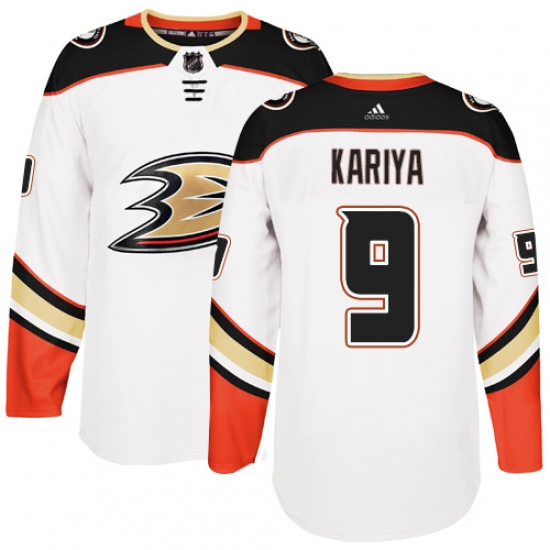
Sourcing custom football team uniforms no minimum is easier than most buyers expect — the MOQ walls you hit with domestic decorators usually disappear once you talk directly to the factory floor. The real obstacle is not minimums at all; it is the middleman. A domestic decorator buys offshore blanks, marks them up 40%, tacks on a stitching fee, and quotes you a number that leaves zero room for resale profit.
Here is what actually happens when a 15-piece team order moves through a Chinese source factory instead of a domestic reseller. The blank cost stays close to fabric cost, the decoration is priced by stitch count rather than by panic, and the buyer on the other end keeps a margin wide enough to cover shipping, duties, and their own sales effort.
Start with fabric, because fabric is where cheap suppliers hide their shortcuts. A legitimate game-weight football jersey uses 100% breathable polyester mesh, typically 280–320 GSM for the body. Anything under 240 GSM reads thin in the hand and photographs flat. Heavyweight mesh has a dry, slightly stiff hand when new and softens after the first wash — that is normal and it is a good sign, not a defect.
Shoulder panels and yoke areas should use a denser weave than the body mesh. If a supplier quotes one fabric spec for the entire jersey, they are either cutting corners or they do not know their own product. Ask for the GSM number per panel, not per garment.
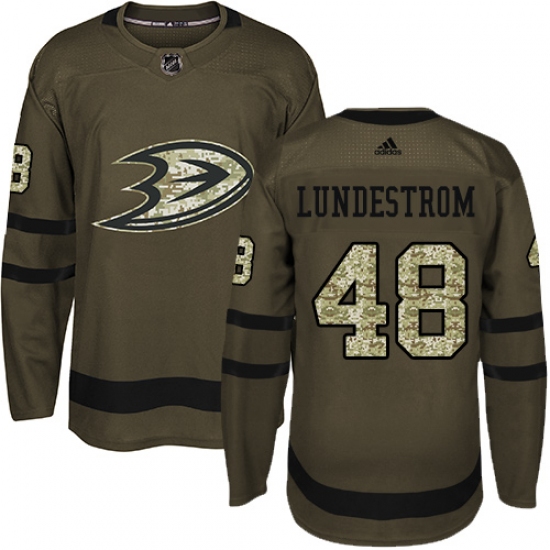
Decoration is the second filter. Real double-stitched Tackle Twill numbers are cut from twill fabric, layered for two-color schemes, then zig-zag locked around the perimeter at roughly 8–10 stitches per inch. Single-needle straight stitching on a twill number will lift at the corners after a few wash cycles. Zig-zag lock stitch will not.
Inside the jersey, a soft interior backing sits behind every embroidered and stitched zone. Without it, the reverse side of the twill and the embroidery thread rub against the shoulder and chest. This is the single detail that separates a jersey a player will wear for a full season from one they quietly retire after two games.
Collar construction gets ignored until it fails. Look for a reinforced collar band with a minimum of two rows of stitching and a ribbed knit that holds shape after repeated stretch. A floppy collar is the fastest way for a buyer to conclude the whole order is low grade, even when the body fabric is fine.
Sizing is where bulk orders get expensive. Request the factory's graded pattern chart in inches, not letter sizes. Chest width, body length, and sleeve opening should be listed per size from Youth Small through 4XL. Confirm that the grading is proportional — a common failure is a 3XL that gains chest width but not body length, which fits nobody.
- Youth S–XL: 26–32 in chest, 20–24 in body length
- Adult S–XL: 36–48 in chest, 28–31 in body length
- Adult 2XL–4XL: 50–58 in chest, 32–34 in body length
- Tolerance: ±0.5 in on chest, ±0.75 in on length — get this in writing
Now the ordering mechanics. A no-minimum structure works because the factory runs your order inside a larger production block rather than setting up a dedicated line. That means the roster submission matters more than the order size. Send one clean spreadsheet: player name, number, size, and any captain or patch designation. Name spelling errors caught after cutting are the most common cause of rework chargebacks.
Artwork should arrive as vector files — AI, EPS, or a clean SVG. If you only have a JPG, expect a digitizing fee. On stitched and embroidered elements the factory needs to convert your logo into a stitch path, and that step is billed on complexity, not on unit count. Once digitized, the file is yours to reuse on future orders, so ask for it.
On pricing structure, most source factories quote three tiers based on quantity, with the no-minimum tier priced highest per unit and the container tier lowest. Below the top tier, air freight usually beats ocean on total landed cost because ocean minimums and port fees eat the savings on small loads. Run both numbers before you commit.
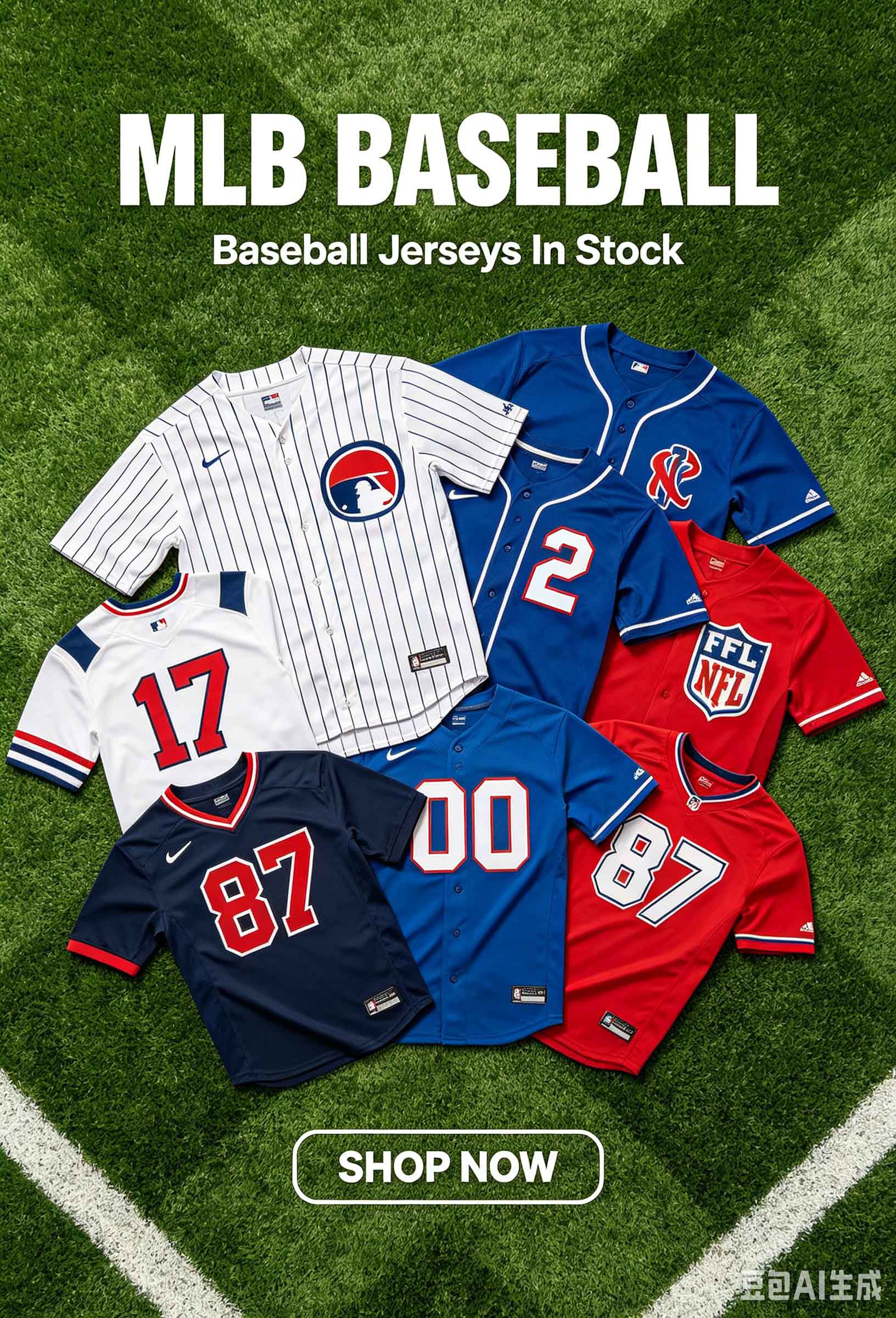
If you want to compare real per-unit pricing across decoration methods and fabric weights, custom football team uniforms no minimum are quoted on the NFL jersey catalog page with tier breakouts you can plug straight into a margin sheet.
Quality control is the part buyers should insist on rather than hope for. A defensible standard is AQL 2.5 on major defects and AQL 4.0 on minor ones, applied to a random pull of 10–20% of the order. Major defects include misaligned numbers, wrong name spelling, off-center logos, and seam separation. Minor defects include loose thread tails and slight shade variation between panels.
Ask for the inspection report with photos before the balance payment clears. A factory that resists this is telling you something. Also request a four-point fabric inspection record on the raw mesh — holes, oil spots, and shade bands show up at the roll stage long before they show up on a finished jersey.
Production timing follows a predictable rhythm. Samples typically run 7–12 days including digitizing. Bulk production on a 50–200 piece order lands around 15–25 days after sample approval. Peak season — July through October for fall football — pushes those windows out by a week or more, so buyers planning league kickoff dates should lock orders in spring.
Shipping options matter for cash flow. Express couriers handle 20–100 piece orders in 4–7 days door to door. Consolidated air freight suits 200–800 pieces at a lower per-kilo rate with a slightly longer window. Full container loads only make sense past roughly 1,500 pieces, and only when the buyer can absorb the port and customs handling on their end.
Do the margin math before you fall in love with a price. A stitched jersey landed at a China factory price of roughly $18–$26 depending on fabric weight and decoration complexity typically retails between $65 and $95 in the US market. Even at a discounted team rate of $45, the spread covers freight, duties, and returns without squeezing the seller.
Care instructions belong on the hangtag, not buried in an email. Stitched and embroidered jerseys should be washed inside out in cold water on a gentle cycle, and never put through a hot dryer — heat is what kills twill adhesion and shrinks mesh. No fabric softener, no bleach, no iron directly on the decoration. Air dry flat. Passing those four rules to end customers cuts return rates noticeably.
Avoid the three mistakes that sink first-time bulk buyers. Ordering by letter size instead of measured chest width. Skipping the pre-production sample to save two weeks. And choosing a supplier on unit price alone while ignoring the inspection standard. Any one of those can turn a profitable order into dead stock sitting in a garage.
What is the actual minimum order quantity? On no-minimum programs, single-piece orders are accepted on stocked blanks. Custom decorated orders realistically start at 10–15 pieces per design because that is the point where screen, twill, and embroidery setup costs spread thin enough to keep unit pricing sane.
How long does a sample take? Seven to twelve days including logo digitizing, plus 4–7 days courier transit. Sample cost is usually credited against the bulk order once it is confirmed.
Can I mix sizes and names in one order? Yes. Mixed rosters are standard. Supply one spreadsheet with name, number, and size per line, and confirm the break between youth and adult sizing before cutting begins.
What is the difference between stitched and heat-pressed numbers? Stitched Tackle Twill is sewn fabric with layered color and a soft interior backing — heavier, more durable, higher cost. Heat-pressed numbers are lighter and cheaper but degrade faster under repeated washing and heat exposure.
Buyers who want to move from a 15-piece test order to a full season's supply should look at the complete lineup before quoting their own customers. Browse the full NFL jersey catalog and request the current tier sheet at Jerseys Wholesale China — first-hand factory pricing, low entry quantities, inspection reports before balance, and worldwide direct dispatch from the production floor rather than a warehouse markup layer.