If you source custom NFL jerseys with names and numbers for team programs, retail resale, or league distribution, the difference between profit and thin margin usually comes down to where the jerseys are made. Buying through overseas middlemen adds markup, slows restocks, and makes stitch quality a gamble. At the factory level, you control fabric weight, twill thickness, stitch density, and roster accuracy before bulk production starts. This guide covers the physical specs, QC checkpoints, sizing decisions, and bulk-buying tactics that matter when you compare China-direct NFL suppliers. Use it to build a jersey program that sells at retail without giving away your margin.
Most buyers start with price per unit, but the real cost shows up after delivery. A jersey that uses lighter mesh, short-stitched twill, or weak collar tape can generate returns, chargebacks, and slow sell-through. Factory-direct sourcing only works when you specify the construction, not just the colorway. Ask for fabric weight, stitch type, backing material, and measurement tolerances in writing before you approve a bulk order.
A reliable China factory should quote fabric by weight and construction, not just call it “mesh.” For NFL-style jerseys, request 100% breathable polyester mesh with a moisture-wicking finish and stable colorfastness. A 300 GSM heavyweight mesh gives a dense retail hand-feel, while 220–260 GSM mesh is better for practice and fan-tier programs. Heavier is not always better; match the fabric to your retail price point and climate.
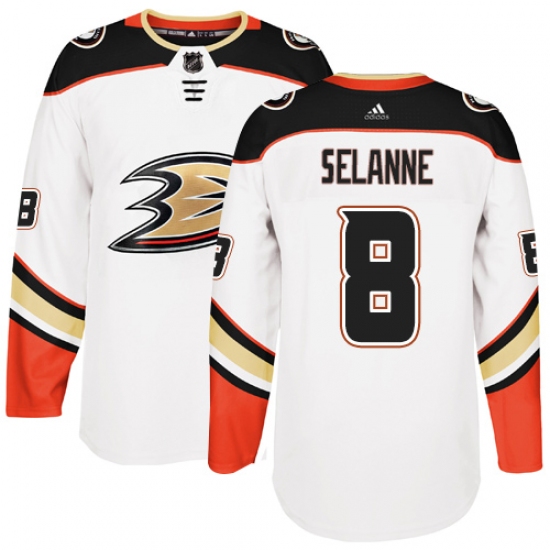
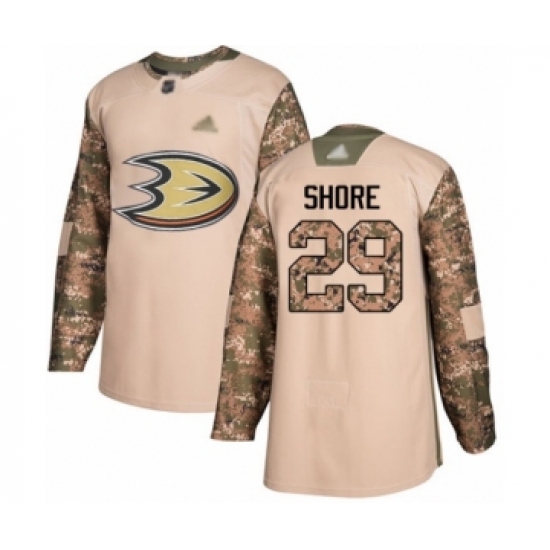
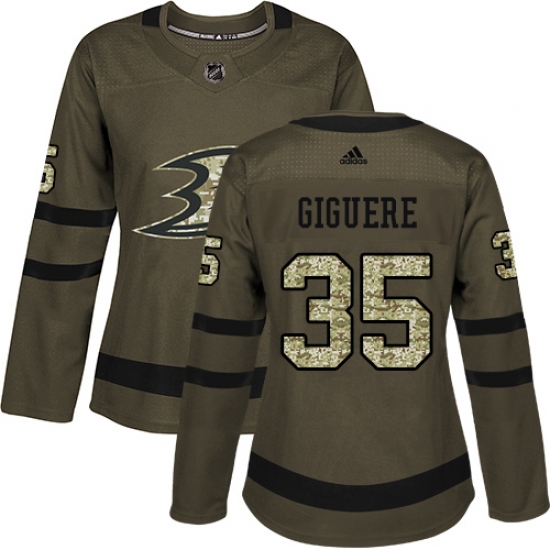
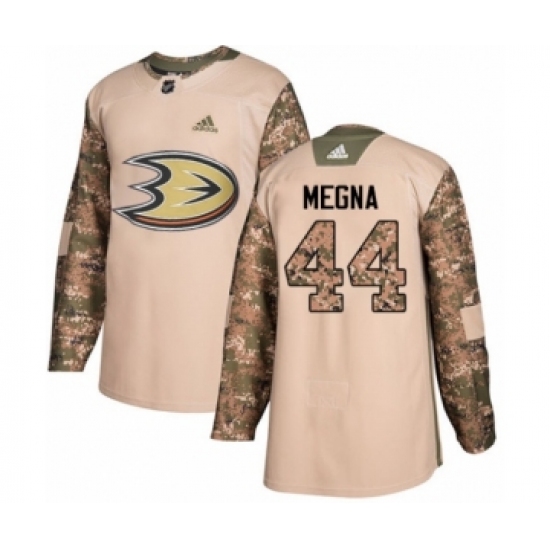
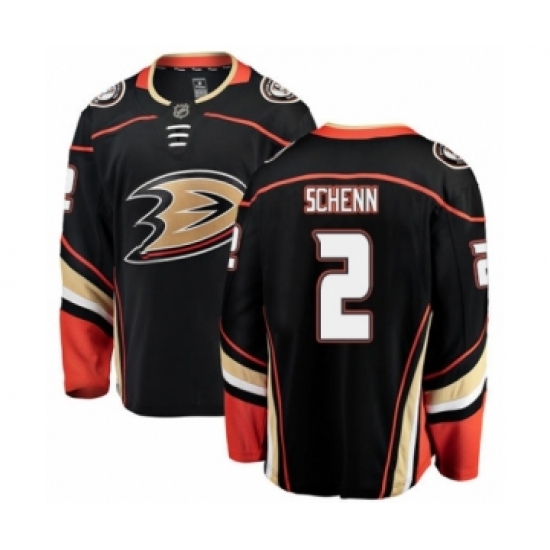
Stitching is where low-cost suppliers cut corners. The numbers and nameplate should use double-stitched Tackle Twill with clean border cuts and zig-zag lock stitching around the edges. Cheap jerseys often glue or spot-stitch the twill, which lifts after a few washes. A proper jersey also needs soft interior backing behind chest and shoulder twill so the stitching does not scratch the wearer. Reinforced collar bands and double-needle hems keep the neckline and body shape intact after repeated laundering.
When you review a factory sample, inspect it like a bulk buyer, not a fan. Turn the jersey inside out and check the back of the twill for loose threads, puckering, and backing coverage. Pull the collar, armholes, and hem seams with moderate tension; a good factory will use stress stitching at high-movement points. If you are comparing custom NFL jerseys with names and numbers, ask for close-up photos of the stitch line, not just a flat lay of the front.
Custom names and numbers require a clean production file. Provide the roster in a spreadsheet with exact spelling, number, size, and font preference. Block fonts are easier to read at retail; tackle-twill fonts need thicker strokes and proper spacing. Confirm whether the name will be stitched directly to the back panel or applied as a separate nameplate. Nameplates are faster to sew and replace, but direct stitching gives a cleaner retail finish on premium programs.
Size runs decide whether your bulk order sells through or sits. Do not assume US sizing translates directly from Asian patterns. Ask for a measured spec sheet showing chest width, body length, sleeve length, and tolerance. Order sample sizes in M, L, and XL, then compare them against your local team fit. Youth sizes need shorter body lengths and narrower shoulders; adult athletic fits need enough chest room for pads or layering. A clear size chart on your product page reduces returns more than a lower unit price.
- Fabric: 100% breathable polyester mesh; 300 GSM heavyweight for retail, 220–260 GSM for practice and fan tiers.
- Numbers: double-stitched Tackle Twill with zig-zag locked edges; no glue and no spot stitching.
- Comfort: soft interior backing behind chest, shoulder, and back twill.
- Durability: reinforced collar bands, double-needle hems, and stress stitching at armholes.
Bulk production should follow a fixed approval flow: roster confirmation, size matrix, pre-production sample, sample approval, fabric cutting, sewing, trim application, QC inspection, and packing. Do not let the factory skip the pre-production sample on custom names and numbers. One approved sample protects both sides from font errors, color mismatches, and size drift. Keep the approved sample and spec sheet on file for every repeat order.
Quality inspection needs to be specific. Use an AQL-based random inspection and require a written report with measurements and photos. Check number height consistency, letter spacing, twill alignment, collar symmetry, sleeve length, and thread tails. Run a wash test on the pre-production sample to catch shrinkage and color bleed. A factory that resists a basic QC checklist is a trading company or a workshop with weak process control, not a source factory you can scale with.
- Measure chest, body length, and sleeve length against the approved spec sheet.
- Check number height, letter spacing, and twill alignment under bright light.
- Pull collar, armholes, and hem seams for stitch security.
- Wash-test pre-production samples for shrinkage, color bleed, and twill lift.
Pricing should be tiered, not a single quote with vague promises. Ask for unit pricing at 50, 100, 300, and 500 pieces, plus separate costs for names, numbers, patches, and custom labels. Low MOQ programs usually make sense on stock blanks with standard fonts; fully custom fabric and trims need higher volume to protect the unit cost. Compare landed cost, not FOB cost. Freight, duties, packing, and replacement risk belong in your margin model.
Low-grade stitched jerseys are easy to spot once you know the signs. Loose thread tails, uneven number borders, stiff backing, and letter spacing that changes from jersey to jersey are red flags. If the twill feels thin and the edges look melted rather than cut, the supplier may be using heat-pressed material instead of stitched Tackle Twill. Ask for side-by-side photos of a production jersey and a retail reference before you release bulk payment.
Care instructions protect your resale value. Tell your buyers to wash stitched jerseys inside out in cold water on a gentle cycle, with no bleach and no fabric softener. Hang dry or tumble low; high heat can shrink mesh and distort twill. Do not iron directly on stitched numbers or nameplates. A simple care card in the polybag reduces complaints and makes a low-cost jersey program look more professional to team managers and retail buyers.
Packaging matters for distributors and e-commerce sellers. Specify polybag size, hangtag placement, size labels, and barcode format before production. If you sell on marketplaces, ask for individual polybags with size stickers and a master carton label that matches your warehouse system. Retail-ready packing adds a small unit cost, but it saves labor during fulfillment. For team programs, flat-packed bulk cartons with size breakdowns are usually more efficient.
Shipping speed depends on production scheduling, not just courier choice. Standard custom production often takes 2–4 weeks after sample approval, then air or sea freight depending on volume and season. Ask the factory for a production calendar with cut-off dates before peak season. Factory-direct suppliers with in-house sewing lines can restock popular sizes faster than traders who wait on third-party workshops. Confirm who handles quality claims and who pays for remakes if the bulk order misses the approved spec.
A good China-direct supplier should provide more than a price list. Ask for factory photos, stitch close-ups, fabric test reports, size spec sheets, and references from similar team or reseller programs. Confirm whether names and numbers are produced in-house or outsourced. The more steps handled under one roof, the tighter the quality control and the faster the communication. That is the difference between buying cheap jerseys and building a repeatable wholesale program.
The profit math is simple when you control the source. If your landed cost stays low and your stitch quality supports a $59–$89 retail price, you can protect a 2–3x markup while still offering competitive team pricing. The mistake is chasing the lowest unit price and then paying for returns, remakes, and slow sell-through. Buyers who specify fabric, stitching, sizing, and QC up front usually get the better long-term margin.
Q: What is the minimum order for custom NFL jerseys with names and numbers?
A: Minimums depend on fabric, style, and customization. Stock blanks with standard fonts usually start lower than fully custom cuts. Ask for a quote at 50, 100, and 300 pieces so you can compare tiered pricing before you commit.
Q: Can you match team fonts and Pantone colors?
A: Yes, but you need to supply the exact font file, color references, and artwork. Approve a pre-production sample with the actual twill and thread colors. Do not rely on screen colors; ask for a physical swatch or sample photo under neutral light.
Q: How long does bulk production take?
A: Typical custom production runs 2–4 weeks after sample approval, plus shipping time. Peak season and complex patches can add days. Get a written production calendar before you place the order.
Q: How should I check stitched quality before bulk production?
A: Inspect the back of the twill, pull the collar and hem seams, check number height and letter spacing, and wash-test the sample. Require an AQL-based inspection report with measurements and photos before final packing.
Ready to protect your margin with factory-direct NFL jerseys? Visit Jerseys Wholesale China to view the full source catalog, request current factory pricing, and confirm low-MOQ options for custom names and numbers. You get one-hand factory pricing, bulk tier discounts, QC support, and global direct shipping for resellers, league managers, and team apparel buyers.