Las Vegas Raiders jerseys wholesale buyers are not paying for a logo alone. They are paying for landed cost, stitching consistency, and a supply chain that holds up when league season demand spikes, yet too many buyers lose 18–30% of margin to trading companies that never touch a sewing floor.
The first rule of profitable Raiders apparel is to separate the factory from the middleman. A true China source factory quotes fabric, cutting, embroidery, sewing, trim, inspection, and export packing line by line. A trading company quotes one number and protects its markup with vague lead times. Ask for a cost breakdown by operation, not just a unit price.
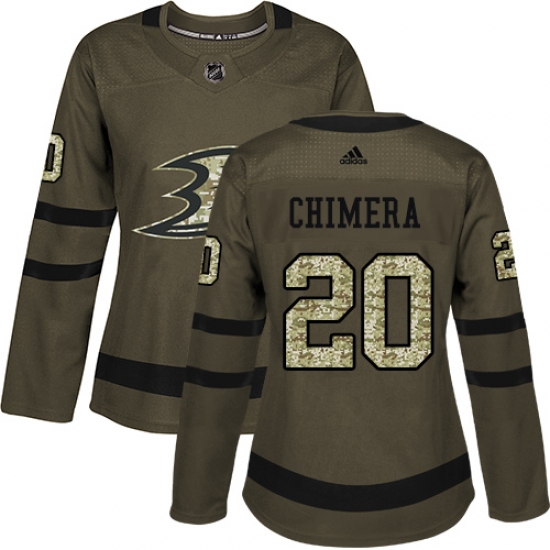
Black and silver expose every production shortcut. Weak black dye lots look charcoal under retail lighting; cheap silver twill turns gray after one wash. Require lab dips for both colors, a pre-production sample, and a wash test before bulk. Contrast stitching should match the panel edge, not float outside the seam allowance.
Specify 100% breathable polyester mesh rather than open-gauge commodity knit. The 260–300 GSM range gives a pro-style hand feel without turning the jersey into a winter jacket; 300 GSM heavyweight mesh is the stronger upsell for premium resale and cold-weather markets. Confirm shrinkage, colorfastness, and airflow data in writing.
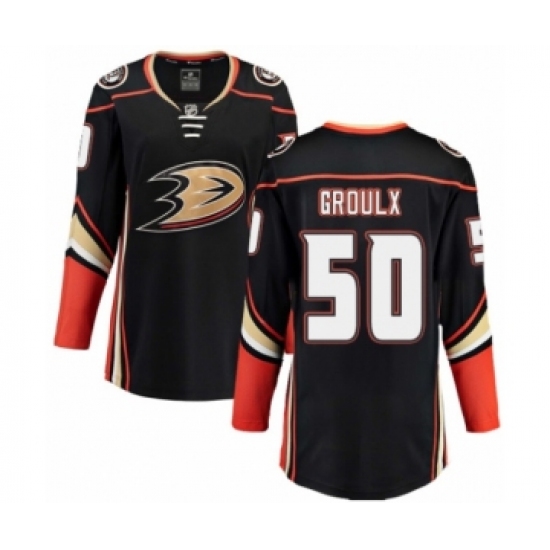
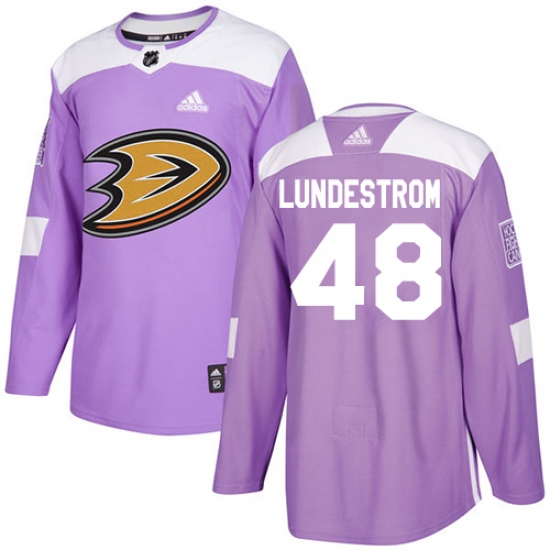
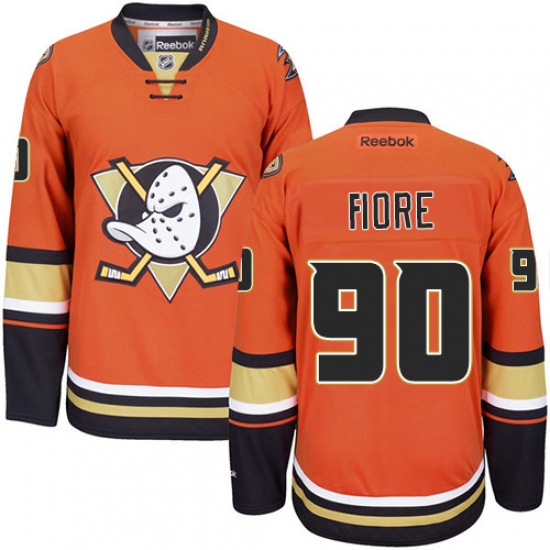
The numbers are where most wholesale jerseys fail. Demand double-stitched Tackle Twill numbers with tight satin stitching, clean perimeters, and no visible backing paper. Stitch density should stay consistent across the full numeral, including curves and narrow points. A 3 mm drift in number placement is visible on a retail shelf.
- Fabric: 100% breathable polyester mesh, 260–300 GSM, colorfast to wash and light.
- Numbers: double-stitched Tackle Twill, clean edges, no puckering.
- Interior: soft interior backing over twill and embroidery to prevent scratch.
- Collar: reinforced collar bands that return to shape after stretch.
- Stress points: zigzag lockstitch at armholes, side seams, and split hem.
That interior detail matters more than buyers expect. A soft interior backing covers the underside of twill and embroidery so the jersey does not scratch the chest or snag during repeated wear. Reinforced collar bands with a stable rib and clean cover stitch hold shape through pullover wear and laundering. Pull the collar over a form and release it; a weak band stays stretched.
Sizing is a commercial decision, not a warehouse afterthought. Build a size curve from your actual sell-through: adult S–3XL, youth sizes, and a limited 4XL/5XL tail for team stores. Use a clear NFL jersey size chart with chest, body length, and sleeve tolerance. Approve a full size set before bulk, not just a size L sample.
When you source direct, ask for stitch density, needle type, thread ticket, and inspection standard. A serious line can show you seam cross-sections and tension tests. If a supplier answers only with photos of finished jerseys, you are talking to a seller, not a production manager. That is the difference between a one-season order and a repeat program.
For a clean direct-factory program, compare NFL jerseys wholesale China options on three levels: stock blanks, stock with custom names and numbers, and full custom roster production. Stock blanks move fastest and protect cash flow. Custom roster production carries higher MOQ but gives you control over size curves, name sets, and packaging.
Set an inspection standard before the first cut. A practical AQL 2.5 inspection should check measurements against the approved spec, number symmetry, embroidery coverage, color match, collar recovery, interior backing placement, loose threads, needle detection, and packing count. Pull at least one carton per size and color, not one hero sample from the office.
Packaging affects margin more than most buyers admit. Poly bags should be sized to the folded jersey, not oversized to hide wrinkles. Hang tags, size stickers, and barcode labels need a placement guide. If you sell to team stores, ask for flat-fold packing by size and color so receiving does not become a second labor cost.
Lead time should be quoted by stage: material readiness, cutting, embroidery, sewing, inspection, and export booking. Stock programs can move in days; custom names and numbers usually need weeks. Get the production calendar in writing and hold a buffer for Chinese New Year, national holidays, and peak football season. A low quote with an open-ended ship date is not low cost.
Run a margin test before you commit to a bulk price. Use landed cost, not FOB alone:
- Factory unit price: includes jersey, numbers, names, and basic packing.
- Freight and duty: allocate by unit, not by shipment.
- Inspection and bank fees: add 1–3% depending on terms.
- Your selling price: compare against local distributor and team-store retail.
- Markdown reserve: keep 8–12% for slow sizes and colorways.
A Raiders jersey that looks cheap at FOB can lose money after freight, duty, returns, and markdowns. The better target is a landed cost that leaves room for a 45–60% gross margin at your normal wholesale price. That cushion pays for exchanges, marketing, and the next size-curve adjustment.
Care instructions protect your resale reputation. Tell buyers to wash stitched jerseys inside out in cold water on a gentle cycle, use mild detergent, skip bleach and fabric softener, and hang dry. Do not iron directly over Tackle Twill or embroidery. Heat and pressure can flatten the stitch and leave a shine on polyester mesh. Bundle a simple care card with team orders to reduce returns caused by hot dryers and direct ironing.
Licensing and labeling deserve a direct answer. Confirm which marks, hang tags, and origin labels your market allows before production. A factory can build the jersey; it cannot make your compliance risk disappear. Put labeling requirements in the purchase order and inspect the first carton against that written standard.
Q: What MOQ should I expect for Las Vegas Raiders jerseys wholesale? MOQ depends on stock versus custom production. Stock blanks can start smaller; custom names, numbers, and roster sets usually require a higher run per style and color. Ask for a written tier price before you approve the sample.
Q: Can I mix sizes and player names in one order? Yes, most direct-factory programs allow mixed size curves and name sets within the approved MOQ. Lock the size ratio and name list before cutting, because changes after embroidery starts add cost and delay.
Q: How do I check stitching quality before bulk? Measure the sample, wash it once, stretch the collar, and inspect the inside of the number block. Check for puckering, loose threads, missing backing, and uneven Tackle Twill edges. Seal the approved sample and compare every bulk carton against it.
Q: What lead time is realistic? Stock blanks with basic decoration can ship in days. Custom roster production usually needs weeks, plus transit. Ask for a stage-by-stage calendar and keep a buffer for holidays and peak season.
Move from price hunting to factory-controlled buying. Review the full Jerseys Wholesale China NFL catalog at www.jerseyswholesalechina.com, confirm your size curve and labeling needs, and request a first-hand factory quote with low MOQ options and global direct shipping. The goal is not the cheapest jersey on the page; it is the lowest landed cost that still protects your margin, your returns rate, and your repeat business.