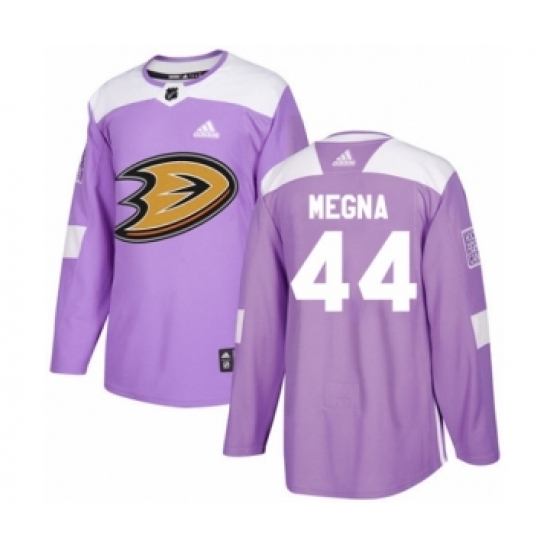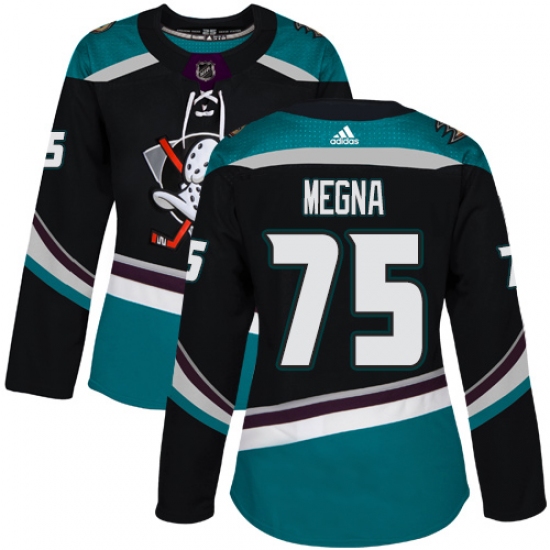
Sourcing custom NFL jerseys with names and numbers directly from a China factory is the fastest way to stop losing margin to middlemen who add 30–60% before the product ever reaches your warehouse. Most resellers quoting weak numbers are buying third-hand from trading agents who never touch the sewing floor. We are the floor. Our lines run 300 GSM heavyweight mesh, double-stitched Tackle Twill numbers, and soft interior backing that survives a full season of wash cycles, all billed at first-hand ex-factory cost with no distributor layer stacked on top.
Here is what actually drives your profit: the gap between what a factory charges for a fully decorated jersey and what your buyers pay at retail or team level. On a stitched custom jersey, that gap is wide enough to fund marketing, shipping, and still leave real margin — but only if the supply chain has no unnecessary hands in it.
Fabric is the first place cheap suppliers cut. Ask for the gram weight per square meter before you place a single order. Our standard body fabric is 100% breathable polyester mesh at 300 GSM, which holds its shape after repeated washing and does not go see-through under stadium lighting. Budget product usually sits at 160–180 GSM, feels thin in hand, and pills along the side panels by the third wash. We also run a lighter 220 GSM mesh for warm-weather practice sets, and a two-way stretch knit for shoulder panels so the jersey moves without pulling at the armhole.
Number and letter construction separates a jersey that survives a season from one that peels in a dryer. Our double-stitched Tackle Twill numbers use two layers of twill for contrast colorways, with a tight zig-zag border around every digit and a straight-stitch perimeter lock. Stitch density runs 8–10 stitches per inch. Nothing is heat-pressed and called stitched — the adhesive-backed shortcut that fails on the first hot wash.
Comfort details matter for team buyers who field complaints. Every stitched jersey ships with soft interior backing behind the numbers and nameplate, so the embroidery thread never scratches the player's back. The reinforced collar bands are rib-knit with twin-needle finishing and a taped neck seam, which prevents the collar from stretching into a wave after a dozen laundry cycles.
Customization options give you room to serve different buyers from one production run:
- Tackle Twill: layered sewn numbers and letters, the standard for on-field and retail-grade jerseys
- Embroidery: direct-stitch team names, chest marks, and sleeve patches
- Screen print: lowest unit cost for high-volume youth and fan programs
- Nameplate: individually sewn twill plate, stitched to the upper back rather than glued
- Fonts and trim: block, varsity, and collegiate lettering; contrast stitching and custom jock tags
Send us your roster in a simple spreadsheet — player name, number, size, and any captain or patch notes. We return a digital mock with layout proofing before cutting fabric, so you approve number size, letter spacing, and color placement instead of discovering problems in a 500-piece shipment. If you are scaling a reseller catalog, custom NFL jerseys with names and numbers can be ordered in mixed size runs and mixed rosters inside the same batch.
Sizing errors cause more returns than stitching defects. Always work from a measured size chart, not a letter size guess. Confirm chest width across the front, body length from high point of shoulder, and sleeve length from the shoulder seam. Our NFL cut follows standard US sizing with youth XS–XL, adult S–4XL, and optional +2 inch body length for tall players. Ask for a measurement tolerance of ±0.5 inch on the chest and ±0.75 inch on body length, and hold your supplier to it on the inspection report.
Pricing works on tiered breakpoints, and the jumps are meaningful. Typical structure for stitched custom jerseys runs at sample quantity, then drops at 50 pieces, again at 200 pieces, and again at 500+ per design. Mixing colorways inside one order keeps you at the higher tier without over-committing to a single team. Ask for the full breakpoint sheet in writing before you negotiate — anything quoted verbally will drift.
Pre-production sampling is not optional. Pay for one sample, wash it three times, and inspect the number edges, collar recovery, and interior backing yourself. Confirm Pantone color matching on the team colors against a physical swatch, because factory screens and your monitor will never agree. Once the sample is signed off, we keep it on file as the golden reference for every future reorder.
Bulk quality control is where professional buyers separate from amateurs. Put a written inspection standard in the purchase order and require a report with photos before the cartons are sealed. Our standard checkpoints:
- AQL 2.5 general inspection level, with critical defects at zero tolerance
- Number alignment within ±3 mm on the vertical center line
- Stitch density verification and pull-test on every Tackle Twill layer
- Colorfastness test — no bleeding or transfer after three wash cycles
- Measurement audit against the approved size chart, minimum 10% of the run
- Needle detection pass on 100% of pieces before packing
Be clear about what you are buying. Replica-grade and authentic-grade are not the same product, and the price difference is real. Buyers should order team colorways and generic decoration without unauthorized league or brand marks, and should confirm the factory is producing a licensed-compliant or blank-label product for their market. If a supplier cannot explain the difference in construction between tiers — fabric weight, stitch type, twill layers — they are brokering, not manufacturing.
How to tell a real factory from a trading company: ask for a video walkthrough of the sewing floor with the machine count visible, ask how many lines run Tackle Twill versus print, and ask for the fabric mill's GSM test report. A genuine source will answer in specifics within a day. A broker will send stock photos and stall on the technical questions.
Production timing should be locked into your calendar, not guessed. Standard lead time on stitched custom orders is 12–18 working days after sample and roster approval, plus 3–7 days on air express for small and mid-size shipments. Larger palletized orders move by sea at 25–35 days port to port, or by DDP air and ocean lanes with duties handled for buyers who want a landed cost number.
Give your customers a care guide and watch your return rate fall. Turn the jersey inside out, wash cold on a gentle cycle, skip bleach and fabric softener, and never put a stitched jersey in a hot dryer. Hang dry in the shade. Heat is what kills twill adhesive, shrinks polyester, and dulls printed marks. Print the care instructions on the interior label — it costs almost nothing and cuts complaints sharply.
Here is the margin math in plain terms. A stitched custom jersey at factory cost, landed with air freight and duties, still leaves substantial room under typical US team-dealer and retail pricing. At 200 pieces the spread widens further, and because we hold stock programs on popular colorways, reorders do not wait on a full new production cycle.
Depth of catalog matters too. Buyers running multi-sport accounts want one supplier for football, baseball, basketball, and hockey so consolidation cuts freight and paperwork. We run all four categories under one roof, with the same mesh standards, stitch density specs, and inspection protocol applied across every line. You can build a full seasonal buy without juggling five vendors and five quality levels.
What is the minimum order for custom NFL jerseys with names and numbers?
Low-MOQ programs start small for sampling and first orders, with per-piece pricing dropping at 50, 200, and 500+ units. Mixed sizes and mixed rosters are accepted inside a single batch, so you are not forced into one design to hit a tier.
Can you match exact team colors?
Yes. Send Pantone references or physical swatches. We strike off the color on the actual fabric and send a photo or physical sample for approval before bulk cutting begins.
How long does a reorder take?
Repeat orders on file-approved artwork typically ship faster than first runs because sampling and mock approval are already closed. Confirm the current schedule with your account contact when you place the reorder.
What if part of the shipment fails inspection?
Defects outside the agreed tolerance are reworked or remade at our cost. This is why the golden sample and written AQL standard are set before production — it removes the argument later.
Ready to quote your next season? Open the Jerseys Wholesale China NFL catalog at www.jerseyswholesalechina.com to see the full source-factory range, lock in first-hand ex-factory pricing, and confirm low MOQ thresholds with fast worldwide direct shipping. Send your roster file and target quantity, and you will get a costed quote with breakpoints, lead time, and shipping options — no distributor markup, no guesswork.