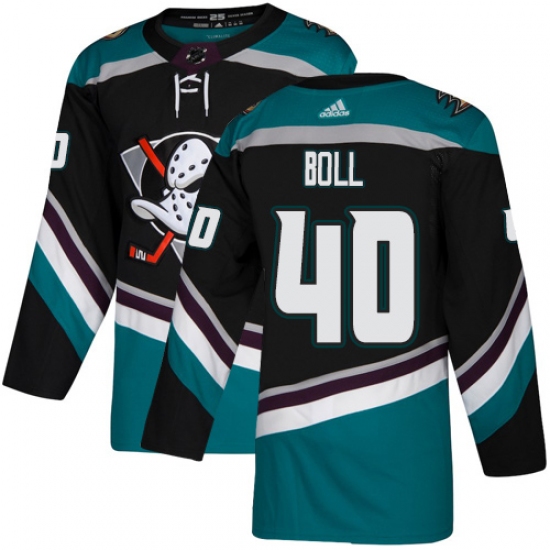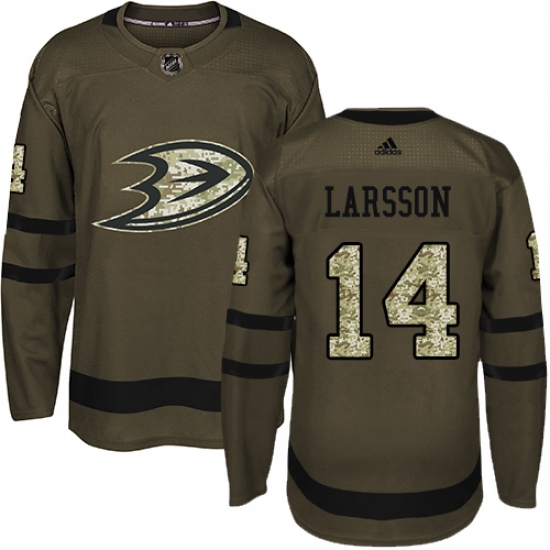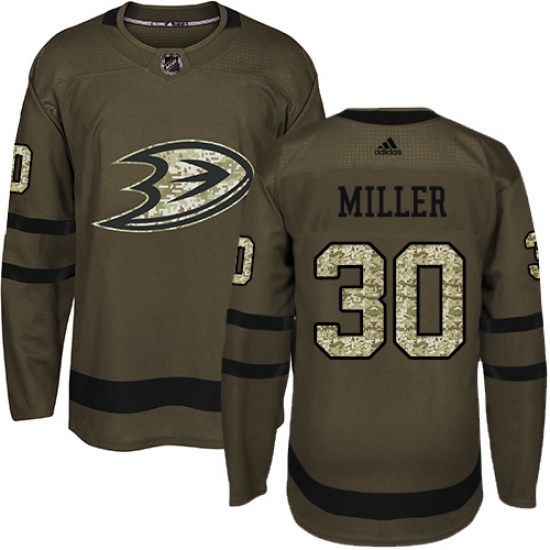
If you are sourcing custom NHL jerseys with names and numbers for a pro shop, an amateur league, or a distribution network, the margin math usually dies in the middle of the supply chain. Every trading company, consolidator, and regional agent takes a slice, and by the time the box reaches your warehouse you are paying retail-adjacent pricing for a jersey that should have cost you a fraction. That is the problem a real China source factory solves.
Buyers also worry about the other side of cheap: crooked twill, numbers peeling after three washes, collars that stretch out, and 45-day production windows that blow past your season start. We are going to break down exactly what factory-direct hockey jersey sourcing looks like in 2026, what physical specs separate a sellable jersey from a return-heavy one, and how to inspect a bulk order before it ships.
Hockey jerseys are the heaviest garment in the four major American sports, and that weight is where counterfeit and low-tier suppliers cut corners first. A regulation-weight pro-style hockey jersey should run between 280 and 320 GSM on the body panels. Anything under 260 GSM feels flimsy in hand, hangs wrong on a hanger, and gets flagged by customers who have handled a real jersey before.
The base fabric should be 100% breathable polyester mesh with a real open-air weave, not a printed texture on flat interlock. Hold it to a light source: you should see consistent mesh perforation across the whole panel, not just in the center. Cheap mills print a mesh pattern onto cheaper knit, and that fabric traps heat and pills within a few wears.
Stitching is the second tell. Crests and shoulder logos on a quality hockey jersey use multi-layer Tackle Twill with a satin-stitch border, and the number kits are double-stitched Tackle Twill numbers, not single-pass embroidery on a patch. Double stitching means the twill is anchored along every edge, so a 44-stitch-per-inch density holds through 50+ wash cycles without curling at the corners.
The interior matters as much as the exterior. Look for soft interior backing behind every embroidered and twill element. Without it, the thread tails and the underside of dense embroidery rub against the skin, and players complain within the first period. This is a nearly invisible detail that most cheap suppliers skip because it adds a full production step.
Collar construction on hockey jerseys gets abused more than any other part of the garment. A proper factory uses a reinforced collar band with a knit rib that recovers its shape, plus a bar-tack at the V-point and the back neck seam. If the collar is a single-layer fold-over with no bar-tack, it will stretch into a wavy line after a handful of games.
Shoulder yokes should be double-needle stitched with a cleanly turned seam. Run your thumb along the inside of the shoulder seam — if you feel a raw, scratchy edge, that panel was sewn with a single-needle machine and rushed. Locker-room stitching on the side seams should be flat-felled, which is a 4-thread overlock that prevents the seam from splitting under a shoulder pad.
Sizing is where bulk buyers lose the most money through returns. Hockey jerseys are worn over pads in some use cases and as fashion in others, so your inventory mix has to account for both. As a working reference for your buying sheet:
- S (46): chest 21.5", body length 29" — youth travel and fashion fit
- M (48): chest 23", body length 30" — most common retail unit
- L (50): chest 24.5", body length 31" — top seller for adult recreation leagues
- XL (52): chest 26", body length 32" — heavy seller in the US Midwest and Canada
- XXL (54): chest 27.5", body length 33" — never under-order; it is the fastest stretch size to sell out
If you are supplying a league, ask for a size-curve recommendation based on the sport and region rather than guessing. A Canadian rec hockey league and a Florida fan-merch shop need completely different curves, and a factory that ships thousands of units a month will have that data on hand.
On the custom side, the two biggest cost drivers are number kits and nameplates. Embroidered twill numbers cost more than sublimated prints but hold resale value and survive washing. If your buyers are collectors or serious fans, stay with stitched. If the jerseys are for a one-season house league, a lighter construction can work, but you still want the mesh weight and collar structure to be correct.
Nameplates should be a separate twill strip sewn to the back panel, not letters embroidered directly onto the jersey body. Direct embroidery distorts the back panel and creates a hard, puckered ridge. A sewn nameplate also lets buyers swap or replace a name without ruining the garment, which matters for team orders that change rosters.
When you are comparing Chinese suppliers, price per unit is the last thing you should look at, not the first. Start with the fabric spec sheet: GSM, mesh construction, and whether the mill name is listed. Then move to the construction spec: stitch density, twill layers, backing material, collar rib, and seam type. Only after those three pages check out does the quote become meaningful.
This is the difference between buying from a trading desk and sourcing direct. To see the construction standard and available inventory on the production side, review the heavyweight mesh NHL hockey jerseys wholesale china line before you commit to a mold or a custom run.
A real factory will also give you a QC protocol without being asked. Insist on a mid-production inspection at 30% completion, then a final AQL 2.5 inspection before packing. Your inspector should check stitch density on a random 10% sample, pull-test the twill corners, measure three units against the size chart with a tape, and photograph the interior backing.
Also request that the factory keeps a sealed pre-production sample. When the bulk shipment arrives and something looks off, you have a physical reference to compare against. Factories that refuse to hold a PP sample are telling you something about their process control.
Shipping timelines matter more in team sports than almost any other apparel category because seasons are fixed. Factor in production at 12 to 18 working days for stock orders and 20 to 30 days for full custom with names and numbers, plus air freight of 5 to 8 days or sea freight of 25 to 35 days depending on your port. Land your purchase order at least 60 days before the first game.
For your own quality control after delivery, treat every hockey jersey the way you would treat performance gear. Turn it inside out before washing, use cold water, and skip the fabric softener — softener coats the mesh and kills breathability. Hang dry instead of tumble drying, because heat is what shrinks polyester mesh and warps twill.
For a stitched jersey, use a mesh laundry bag and a gentle cycle. If a twill corner starts to lift, a dry cleaner with a heat press can re-adhere it in under a minute, which is far cheaper than replacing the unit. Keep a small stock of size XXL aside for exchanges — it is the size most likely to come back as a return request from a fan shop.
Margin protection comes from controlling three variables: unit cost, defect rate, and freight. Factory-direct sourcing attacks all three at once because you remove the middle layer from cost, you set your own QC bar, and you consolidate shipping into one container instead of paying three separate markups on partial loads.
One last practical note on payment terms. Established factories usually work on a 30% deposit and 70% against a Bill of Lading copy, and many will accept a smaller deposit for repeat orders once a buying history exists. If a supplier demands 100% upfront on a first order, keep shopping. That is a broker pattern, not a factory pattern.
FAQ
What is the minimum order quantity for custom hockey jerseys?
Most direct factories run a 50 to 100 piece MOQ per design for full customization with names and numbers. Stock blank jerseys can often be ordered at lower volumes, and some factories will let you mix sizes within a single design to hit the MOQ.
How long does production take for a bulk order?
Plan on 12 to 18 working days for stock colors and 20 to 30 working days for full custom runs. Add shipping time on top of that: 5 to 8 days by air, 25 to 35 days by sea. Build in a buffer of at least two weeks before your season start.
Are stitched numbers worth the extra cost over printed numbers?
For resale to fans and collectors, yes. Stitched twill numbers survive more wash cycles, hold their shape, and justify a higher retail price. For single-season house league use, printed numbers are a legitimate cost-saving option if the base mesh and collar are still built properly.
How do I verify quality before a large order ships?
Request a pre-production sample, schedule a 30% mid-production inspection, and require a final AQL 2.5 inspection with photos of the interior backing, collar band, and twill edges. Compare the final goods against the sealed pre-production sample before you release final payment.
If you are ready to move on pricing, pull your size curve and design list together and send it in. The full factory catalog — stock blanks, custom builds, and league programs — is laid out at www.jerseyswholesalechina.com, with first-hand factory pricing, low MOQ entry points, and worldwide direct shipping so your inventory lands before the puck drops.