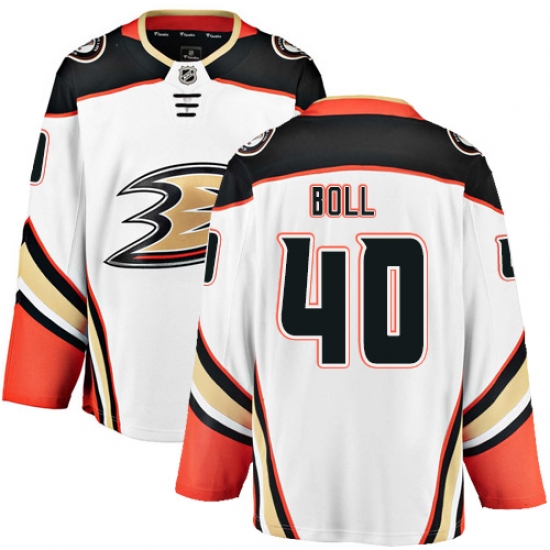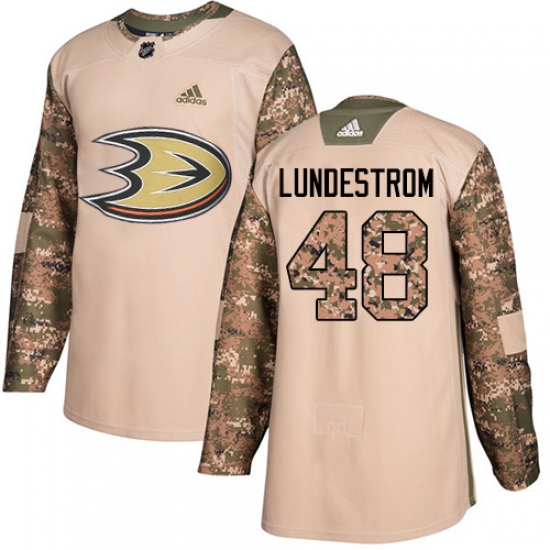
If you are sourcing custom NHL jerseys with names and numbers for a team store, a league, or a distributor account, the deal usually breaks at the same two points: the landed price and the proof that the stitching survives a season. Most buyers get a beautiful quote from a trading company, pay the deposit, then discover the factory subcontracted the embroidery to a shop running single-stitch twill on 180 GSM fabric. Six weeks later the numbers are curling and the collar has stretched out.
That gap is exactly what a true source factory closes. When you buy from the plant that owns the embroidery heads, the cutters, and the sewing lines, you control the spec instead of hoping a middleman passed it along.
The first thing to understand is that "factory direct" is not a marketing label. Ask any supplier whether the tackle twill is cut and layered in-house or bought pre-sewn. A real NHL production line receives raw twill rolls, die-cuts the number layers, heat-tacks them to the mesh panel, then runs the border stitch on a programmable machine. If the answer is vague, you are talking to a broker, and every layer of broker adds 15 to 30 percent to your cost without adding a single stitch.
Fabric weight is where the margin conversation actually starts. A serious hockey jersey body runs 300 GSM heavyweight polyester mesh, not the 180 GSM material used for cheap fan shirts. The heavier knit holds shape through a full season of practices, resists the pilling that comes from shoulder pads and bag straps, and takes embroidery without puckering. It also drapes correctly on the hanger, which matters when your retail customer is judging the garment before they ever touch it.
Airflow still has to work. Heavyweight does not mean a plastic bag. The mesh structure should have a visible open knit on the underarm and back yoke panels so players do not overheat, while the front crest panel stays dense enough to carry a multi-layer logo without the fabric sagging behind it.
Numbers and letters are the real quality test. Demand double-stitched Tackle Twill numbers with a distinct border stitch around each layer. Single-stitch numbers look acceptable on the table and fail on the ice, because one broken thread starts a chain reaction. Double stitching gives you a redundant seam plus a cleaner edge line at one meter viewing distance.
The inside of the garment matters just as much as the outside. Soft interior backing behind every embroidered and appliquéd area keeps the thread bundle from scratching skin and stops the mesh from fraying where the needle punched through. On a cheap jersey you can feel the stiff fusible interfacing through the fabric. On a proper one, the inside is flat and smooth to the hand.
Collar construction is the other stress point. A reinforced collar band with a stable interlining holds the V or crew shape after 30 wash cycles. Look for a bound neckline that is sewn with a Z-pattern dense stitch at 8 to 10 stitches per inch, and check the shoulder yoke seam for the same treatment. That is where tension lives when a player pulls the jersey over shoulder pads.
Customization workflow is where most bulk orders go wrong, and it is almost always a communication problem rather than a manufacturing one. Send your roster as a clean spreadsheet: one row per garment, with size, name, and number in separate columns. Spell out lettering height in inches, not "standard." A typical NHL spec is 10 to 12 inches for the back number, 4 to 5 inches for the shoulder number, 3 to 3.5 inches for the sleeve number, and 2 to 3 inches for the nameplate lettering.
Font matters. Block varsity, serif, and script all cut differently on the twill die. Ask for a stitch-out photo of the first name and number on the actual fabric before the run starts. That single photo prevents 90 percent of disputes, because it confirms thread color, letter shape, and placement height all at once.
Pricing works on volume tiers, and the drop between tiers is worth planning around. A typical structure from a source plant looks like this:
- 12–49 pieces: sample-tier pricing, best for testing fit and stitch quality
- 50–199 pieces: entry bulk rate, mixed sizes allowed within one design
- 200–499 pieces: mid-tier discount, free name and number personalization usually included
- 500+ pieces: full production rate, custom labeling and hang tags available
Do not treat the 12-piece tier as a loss. It is the cheapest way to verify a supplier before you commit capital to a 500-piece run. Order one jersey in each of three sizes, wash one twice, and inspect the collar, the number border, and the interior backing. Whatever survives that test is what your customers will receive.
Quality inspection on bulk orders should be written into the PO, not left to goodwill. Set a sampling standard at AQL 2.5 and define the failure points: measurement tolerance within plus or minus 0.5 inch on chest and body length, no more than two visible needle holes per panel, colorfastness at grade 4 or better, and zero loose thread tails over 3 mm. Ask for the inspection report with photos before the balance payment.
Here is a practical shortcut for buyers comparing suppliers: request a pre-production sample and a custom NHL jerseys with names and numbers quote at the same time, and compare the sample against the spec sheet rather than against a competitor's photo. Photos are lit and edited. A sample in your hand is the only evidence that the mesh weight, twill layering, and collar interlining are what the quote promised.
Lead times depend on the route. Express air for a 50 to 200 piece order typically runs 5 to 8 business days after production, and production itself takes 10 to 15 working days once the sample is approved. Sea freight cuts the per-unit cost on 500+ piece orders but adds 25 to 35 days of transit. Build the calendar backward from your season start, and never accept a promise of "fast delivery" that is not tied to a specific ship date.
Sizing is a frequent source of returns, especially on youth programs. Confirm the size chart in centimeters and inches, and confirm whether the measurement is taken flat or around the body. Youth and adult sizing should be quoted on the same chart so a mixed team order does not produce a jersey that fits nobody. Order one size up if your customer base wears pads underneath, and state that on the product page.
Care guidance protects your margin after the sale. Tell buyers to turn the jersey inside out, wash cold on a gentle cycle, skip bleach and fabric softener, and hang dry. The dryer is what kills stitched jerseys: heat softens the backing and the twill edge lifts. A jersey cared for this way will hold its stitch line for years, which is exactly the reputation a reseller wants attached to their store.
Red flags worth walking away from: quotes far below the market rate with no fabric weight stated, refusal to send a stitch-out photo, no measurement tolerance in the PO, and a supplier who cannot tell you the difference between single and double-stitched twill. Any one of those signs usually means the order will be late, undersized, or both.
The margin math is straightforward. When you cut out the importer and the regional distributor, the difference between a wholesale landed cost and a retail resale price on a stitched hockey jersey is typically wide enough to fund your marketing, your returns policy, and a competitive price on the shelf. That is the whole point of buying at the source.
Q: What is the minimum order for custom NHL jerseys with names and numbers?
Most source factories start at 12 pieces per design, with personalization included. Volume tiers kick in at 50, 200, and 500 pieces, and the per-unit price drops at each step.
Q: Can I mix sizes and player names in one bulk order?
Yes. A single design can be split across sizes and rosters as long as the fabric, colorway, and crest stay the same. Send the roster as a spreadsheet with one row per garment.
Q: How long does a bulk order take?
Production runs 10 to 15 working days after sample approval, plus 5 to 8 business days for express air or 25 to 35 days for sea freight on larger volumes.
Q: How do I verify quality before paying the balance?
Request the pre-shipment inspection report with photos, checked against AQL 2.5 and your written measurement tolerances. Hold the balance until that report clears.
If you are ready to see actual fabric weights, stitch densities, and tier pricing side by side, go to www.jerseyswholesalechina.com and pull the full in-stock and custom catalog. You get one factory price with no distributor markup, low minimums that let you test before you scale, and worldwide direct shipping with a documented inspection report before anything leaves the floor.