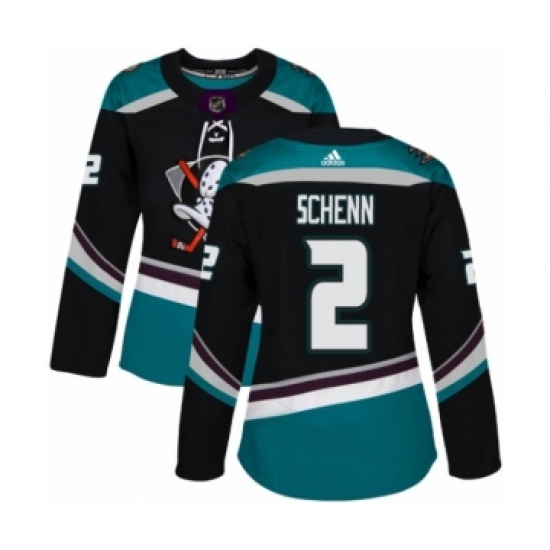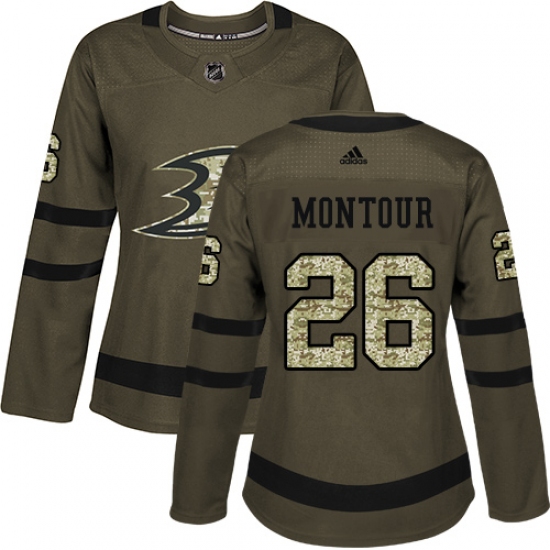
The stitched vs printed nhl jerseys question comes up in nearly every quote request we handle from North American distributors. If you're sourcing for a pro shop, a youth league, or an online store, that single construction choice decides your landed cost, your return rate, and how much room is left on margin. Most buyers get burned in the same three places: middlemen stacking 30–40% on top of ex-works pricing, sloppy embroidery on cheap stock, and six-week production windows that wipe out preseason sales. Buying direct from a Chinese factory solves all three — if you know what to spec.
Printed and stitched jerseys leave the same building through completely different production lines. Printed means dye sublimation or heat-transfer application, where graphics are fused into or onto the fabric. Stitched means separate twill or embroidered pieces are sewn onto a finished mesh shell. Neither is automatically better. They serve different buyers, different price tiers, and different return policies.
On a properly built stitched hockey jersey, the crest and shoulder logos are Tackle Twill — layered fabric cut to shape and sewn down, not glued. Numbers are double-stitched with a tight satin or zigzag border, typically 8–10 stitches per inch. Nameplates go on as separate twill strips so they can be swapped when a roster changes. That last detail matters when a league manager needs to re-badge 40 jerseys mid-season without buying new garments.
Printed jerseys use sublimation, meaning the ink becomes part of the polyester at a molecular level. There's nothing to peel, snag, or fray, and the print can carry gradients and fine detail that twill can't reproduce. For youth programs and practice sets, sublimation is the practical pick: lighter, cheaper per unit, and it survives aggressive wash cycles without edge failure.
Here's the cost reality. Ex-works, a printed sublimated jersey runs meaningfully less than a stitched one because you skip the cut-and-sew twill labor stages. Retail pricing tells the opposite story. Stitched jerseys sit in the premium tier, while printed replicas land well below them. The gross margin per unit on stitched is usually wider even after the higher unit cost — provided you aren't paying three layers of importer markup along the way.
We run a 50-wash cycle test on every stitched sample before it enters a bulk run. Twill that's been heat-sealed instead of sewn usually lifts at the corners somewhere between wash 12 and wash 15. Double-stitched twill with a proper zigzag lock stitch holds its shape past 50 cycles. If a supplier can't tell you their stitch density, they're not the factory — they're a trader with a website.
Fabric weight is the next decision. NHL-style shells are usually 100% breathable polyester mesh in the 280–320 GSM range, with the good stuff sitting at 300 GSM heavyweight mesh. That weight gives the garment structure, so shoulder yokes stay flat and crests don't pucker after laundering. Lightweight 180–200 GSM mesh is fine for practice jerseys and summer leagues, but it looks thin on a retail rack next to a premium competitor.
Typical specs we hold in stock for hockey programs:
- Shell: 100% breathable polyester mesh, 300 GSM heavyweight, moisture-wicking finish
- Crest & numbers: double-stitched Tackle Twill with zigzag lock borders
- Interior: soft backing layer behind all embroidery to prevent chafing
- Neck: reinforced collar bands with twill tape for shape retention
- Seams: flat-lock construction to reduce bulk under shoulder pads
Soft interior backing is a detail buyers notice only when it's missing. Bare embroidery thread on the inside of a hockey jersey scratches, and players wear these over pads and base layers for two hours at a time. A bonded interlining patch behind the crest and numbers costs a few cents per unit at the factory and removes an entire category of complaints before it starts.
Reinforced collar bands are the other giveaway. A cheap collar stretches out and curls after a handful of wears, especially in youth sizes where kids pull the jersey on by the neck. Factory-direct collars use a stitched twill band over a stabilized interlining, so the neckline keeps its shape through repeated laundering and stacking.
If you're building a season-long program instead of a one-off order, the smart move is to lock one shell spec and one decoration method, then run every colorway on that block. Our heavyweight stitched hockey jerseys are cut on a consistent pattern, so a size L fits the same across every team print. That consistency is what keeps returns low and repeat orders predictable.
Bulk QC is where cheap suppliers fall apart. Production runs should go through AQL 2.5 inspection per lot, checking the five things that actually matter:
- Stitch density on numbers and crest (8+ stitches per inch)
- Colorfastness after three industrial wash cycles
- Symmetry of twill placement measured against the spec sheet
- Size tolerance within 0.5 inch across chest and body length
- Thread trimming and interior finish on every unit in the drawn sample
Anything that fails gets reworked before packing, not shipped with an apology note. Ask any prospective supplier for their inspection protocol in writing. A real factory has one documented and can send it the same day.
Size runs are the second-biggest source of returns after decoration quality. Chinese factory sizing for hockey-style garments generally maps to standard chest measurements, but youth sizing varies more between factories than adult does. Get a physical measurement chart per style, not just S–XL labels, and confirm whether measurements are taken flat or around the body. A 2-inch chest difference between two factories' "youth L" is normal, and it wrecks your published size guide if you don't catch it upfront.
MOQ and pricing tiers follow a simple curve. Sample and small-run orders carry higher per-unit costs, while 100+ units per style and color typically drop to a better tier. If you're testing a new market, run a mixed-size order on one design first, confirm sell-through, then commit to the bulk tier. Factory-direct programs let you do this without the 50-piece-per-color trap that importers normally impose.
Lead times matter as much as price. Standard stitched runs take longer than printed because of the twill cutting and sewing stages. Stock styles and blank shells ship faster than fully custom orders with new crests. If you're buying for a season, place the order eight to ten weeks before your first sell-through date and confirm the shipping method — air for urgent restocks, sea freight for planned volume.
Teach your customers how to wash a stitched jersey and your return rate drops. Turn it inside out, cold water, gentle cycle, no fabric softener, hang dry. Never iron directly on twill or embroidery; use a pressing cloth on low heat if you must. Heat is what kills glued backing and shrinks polyester mesh — not the wash itself.
Quick decision rule: printed for youth leagues, practice sets, and any program that needs 60+ units fast on a tight budget. Stitched for retail resale, pro-shop stock, throwback programs, and anything a customer will inspect up close. Most distributors run both and separate them by price tier rather than by team name.
One more sourcing habit worth building: request a pre-production sample in the exact style and exact size before the bulk run starts. Photograph it, measure it, wash it once, and keep it as your reference unit. When the shipment lands, that sample is your benchmark. Suppliers who resist this step are telling you something without saying a word.
Are stitched NHL jerseys worth the higher unit cost?
Usually yes, if you sell at retail. The unit cost gap between stitched and printed is smaller than the retail price gap, so dollar margin per jersey is wider on stitched. Printed wins on volume programs where price sensitivity outranks perceived quality.
How many stitches per inch should stitched numbers have?
Look for 8 or more per inch on a zigzag or satin border. Below that, edges start lifting after repeated washing. Heat-sealed decoration fails earlier than that regardless of how clean it looks out of the bag.
What GSM mesh should I specify for hockey jerseys?
300 GSM heavyweight mesh for retail and pro-style shells. 180–220 GSM works for practice and youth jerseys where weight isn't a selling point and lower unit cost matters more.
Can I mix sizes and teams in one bulk order?
Yes, and most distributors do. Mixed-size runs on a single design usually hit the same pricing tier as uniform runs. Splitting many different crests into small quantities per design pushes you into a higher tier because of setup time.
Ready to build a program that protects your margin? Shop the full NHL jersey catalog at jerseyswholesalechina.com to see current stock shells, stitched and printed builds, and factory-tier pricing. You get first-hand ex-works rates, low MOQ entry points for testing new teams, documented AQL inspection on every lot, and fast global dispatch from our China facility. Send your size breakdown and crest files, and we'll quote the run the same business day.