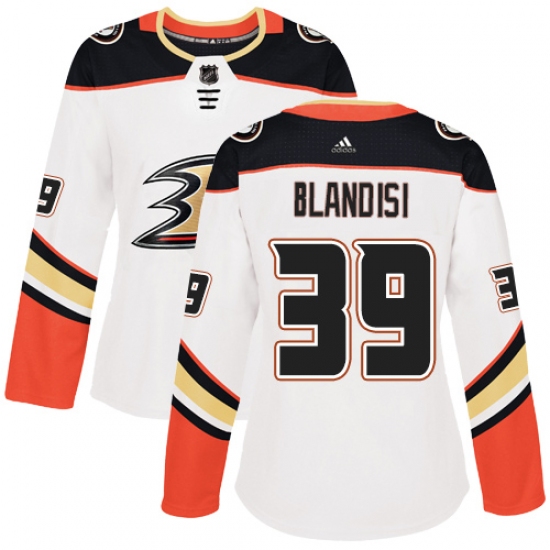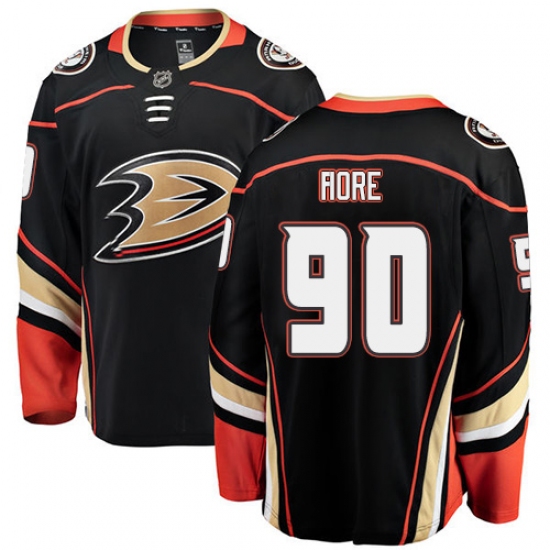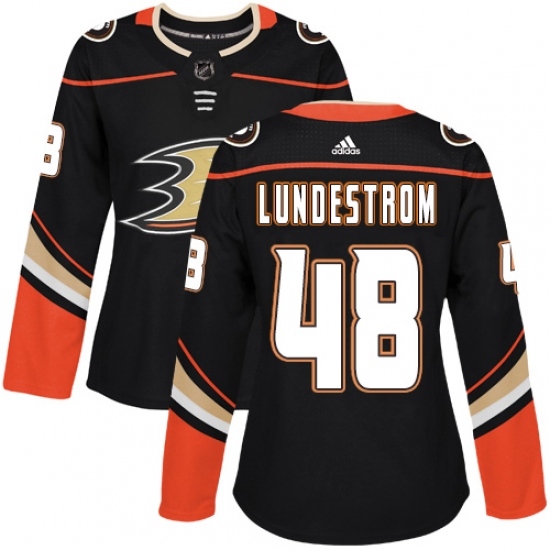
If you resell team apparel, you already know the margin problem: custom NBA jerseys with names and numbers bought through domestic distributors leave you 18–25% gross at best. Buying direct from a China source factory flips that math. Our own shop floor in Fujian runs basketball jersey production lines for distributors in 34 countries, and the pricing gap between factory gate and third-party warehouse is where your profit actually lives.
But price alone is a trap. The buyers who lose money are the ones who chase the cheapest quote, then receive 500 pieces with crooked number placement, loose twill edges, and collars that ripple after one wash. This guide breaks down what a legitimate China factory direct basketball program looks like — fabric specs, stitch standards, size runs, inspection protocol, and the numbers you should demand before wiring a deposit.
Start with fabric, because that decides whether your customer reorders. A retail-grade NBA-style jersey should be built on 100% breathable polyester mesh, not the thin tricot that most sub-$8 quotes use. Weight matters: 180–200 GSM for youth and practice sets, 220–260 GSM for standard retail swingman equivalents, and 300 GSM heavyweight mesh for premium throwback programs where customers expect a stiffer, structured drape.
Ask for the fabric composition report and a wash-test swatch before you commit to a bulk order. Two identical-looking mesh rolls can differ in shrinkage by 4%, which turns an adult medium into a youth large after the first home laundry cycle. A real factory will send you a 30cm x 30cm swatch, washed and dried three times, with shrinkage percentage printed on the tag.
Number and letter application is where 80% of quality complaints originate. Screen-printed numbers crack and peel within 10–15 washes. For anything selling above $25 retail, specify double-stitched Tackle Twill numbers — two layered twill panels, satin-stitched edge, then saddle-stitched to the jersey body at 8–10 stitches per inch.
The stitch pattern matters as much as the material. Look for Z-stitch bar tacks at every stress point: shoulder seams, armhole junctions, and the top and bottom corners of each number. A single-stitch perimeter on a number looks fine on a photo and separates in the field. Ask your supplier to send close-up photos of the number reverse side — a hidden second stitch row is the tell of a production line that knows what it's doing.
Jersey fronts carry a lot of weight, so the interior finish decides comfort. Spec soft interior backing (a lightweight fusible or mesh cover layer) behind every embroidered or twill element so the stitch thread never contacts bare skin. Cheap builds skip this step entirely, and that's the piece that scratches and itches during a 40-minute game.
Collar and armhole construction also separates tiers. Demand reinforced collar bands with a ribbed knit that holds its shape, bound armholes instead of raw overlock, and a double-needle hem at the bottom. A USA-sized V-neck should sit flat on the chest with no gaping after 20 cycles. If a sample collar curls at the point within a day of wear, the bulk run will be worse.
Customization depth is the other half of the value. A proper custom program covers tackle twill, embroidered, and heat-press options, plus font selection — block, athletic, varsity, and city-edition script. Give your factory the exact team color codes, ideally Pantone TCX references, and require a lab-dip approval on the mesh before cutting. Approving color from a phone screen is how you end up with a "gold" that reads mustard under arena lighting.
Size grading is where novice buyers get burned. Ordering a straight S–2XL run sounds simple, but basketball sizing varies by fit intent. Retail swingman cuts fit loose; team-issued cuts fit closer. Supply your factory with a chest-width and body-length spec table, not just letter sizes, and request a fit sample in the middle size of your run.
Most experienced buyers order like this:
- Youth program: YS–YXL, 180–200 GSM mesh, screen print or lightweight twill
- Adult retail: S–3XL, 220–260 GSM, double-stitched Tackle Twill
- Throwback / premium: S–4XL plus tall sizes, 300 GSM, layered twill with felt or satin accents
- Women's cut: tapered waist, shorter body length, separate grading chart
Youth volume is a real profit center that many resellers ignore. League buyers need bulk youth basketball jerseys in matched sets, often 12–24 per team with consistent numbering. Ask for a team-bundle quote: 15 jerseys, numbers 0–4 and 5–9 duplicated, one colorway, one size distribution. Factory lines handle these runs faster than mixed custom orders, and the per-unit price reflects it.
Pricing works on tiers, and you should be negotiating against the actual break points rather than guessing. A typical China factory direct structure moves at 50, 100, 300, 500, and 1,000 pieces per style-color-size mix. The jump from 100 to 300 usually cuts unit cost 12–18%; the jump from 300 to 1,000 adds another 8–12%. That's why consolidating styles with one supplier beats spreading orders across three vendors chasing pennies.
For resellers who need custom NBA jerseys in bulk with player names and full rosters, the workflow is straightforward: artwork and font confirmation, lab dip, pre-production sample, sample approval, deposit, bulk production, third-party or in-house inspection, then shipment. Skipping the pre-production sample to save two weeks is the single most expensive shortcut in this business.
Quality control should be quantified, not promised. Insist on AQL 2.5 inspection at major defect level and AQL 4.0 at minor. The inspection checklist should include number placement within 3mm tolerance, colorfastness at grade 4 or better, seam strength pull test, needle detection over the entire garment, and a measurement audit against your size spec table on at least 10% of the order.
An experienced supplier will also discuss freight honestly. Bulk sea freight runs 25–40 days door to door; air express on 200–500 pieces lands in 5–9 days at a higher per-unit cost. For restocks during a playoff push, air is often the right call even at double the freight rate, because empty shelves cost more than shipping.
Packaging affects your listing quality too. Poly bag with size sticker, custom neck label, woven or printed hang tag, and barcode placement to your spec — all of this is negotiable and usually adds only a few cents per unit at volume. Retail-ready packing saves you a rework step in your own warehouse.
Caring for stitched jerseys is worth teaching your customers, because it drives repeat purchase timing. Wash inside out in cold water, skip fabric softener, never bleach, and hang dry away from direct sun. If pressing is needed, iron the reverse side on low with a cloth barrier — never press the twill face directly, or the satin stitch flattens and the panel edges shine.
If you want to compare specs against real production output, review the full custom NBA jerseys with names and numbers catalog and request swatches and a pre-production sample before committing to volume.
Q: What is the minimum order for custom NBA jerseys with names and numbers?
Standard custom runs start at 50 pieces per style-color combination, with mixed sizing allowed inside that run. Stock blank programs can go lower for sample testing, but per-unit cost rises sharply under 50 pieces because setup time is fixed.
Q: How long does bulk production take after sample approval?
Plan on 20–35 days for 300–1,000 pieces with twill numbering, plus 5–9 days air freight or 25–40 days sea freight. Rush lines exist for repeat orders with existing patterns and approved artwork.
Q: Is double-stitched Tackle Twill worth the extra cost over screen print?
Yes, for anything retailing above $25. Twill costs roughly $1.50–$3.00 more per jersey at 300 pieces, but it survives 50+ wash cycles, holds resale value, and cuts your defect and return rate dramatically.
Q: Can I get team color matching to a specific Pantone code?
Yes. Provide TCX or TPX references and request a lab dip before cutting. Approve the physical dip under daylight, not on a monitor. Expect one to two rounds of adjustment on difficult shades like teal, maroon, and metallic gold.
Ready to stop paying distributor markup? Go to Jerseys Wholesale China to see the live stock and custom program, request factory-gate pricing tiers, and lock in a low-MOQ trial run with direct worldwide shipping from the source line.