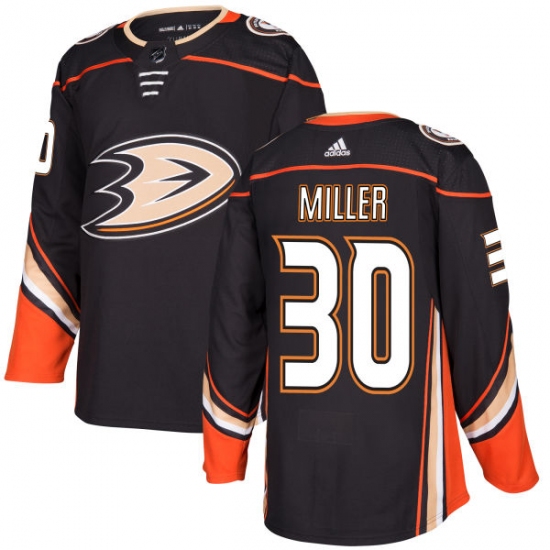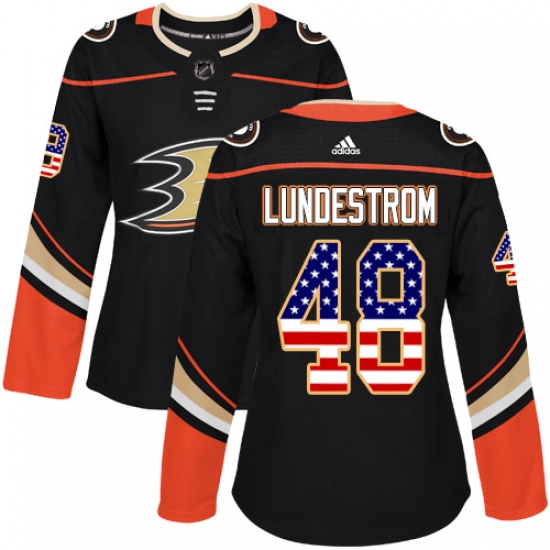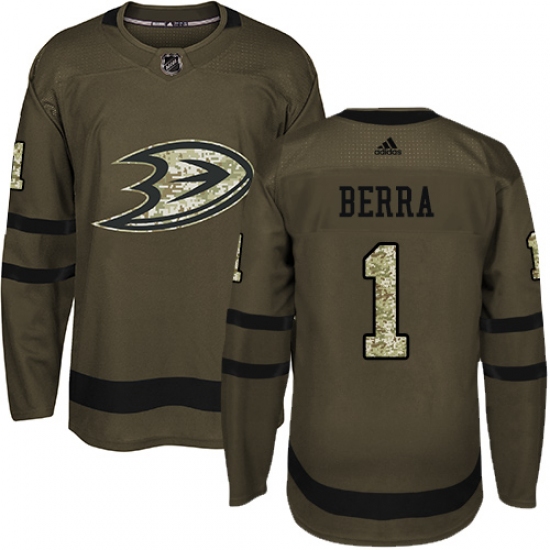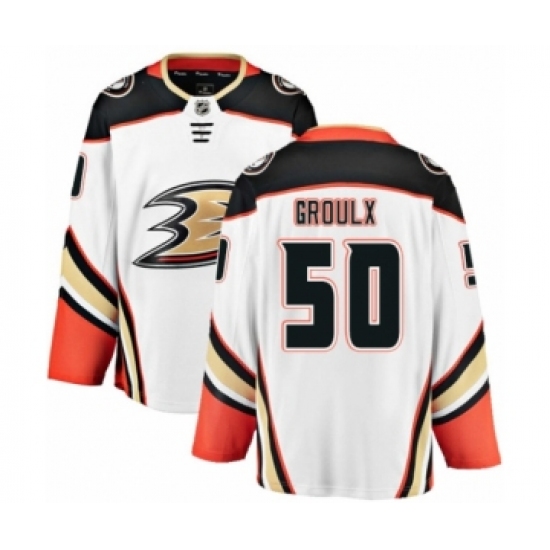
Choosing between stitched vs printed NFL jerseys is the first margin decision most resellers make, and it usually decides whether a buyer reorders twice a year or once. When that call gets made through a middleman three countries removed from the sewing floor, you pay 30–45% above factory cost and still inherit whatever stitching quality their subcontractor felt like running that week.
Both formats come off the same lines in our Guangdong and Fujian plants, at direct factory pricing, with inspection paperwork attached. What follows is the production difference in plain numbers, the fabric weights that actually hold up, and how to structure a bulk order so landed cost stays low and returns stay near zero.
Printed jerseys use sublimation or heat-transfer vinyl. Dye goes into the polyester or sits on top of it under a heat press at 165–190°C. The upside is speed and a very low unit cost — often 40–55% less than a stitched build. The downside shows up at wash number fifteen, when the vinyl edges lift, crack along the fold lines, and the numbers start looking foggy.
That is fine for a one-season promotional run or a youth rec league that replaces kits yearly. It is not fine for a retail buyer whose customers expect a jersey to survive four seasons of tailgating.
Stitched construction is where the real margin sits. Numbers arrive as layered Tackle Twill — a knit-twill top layer bonded to a heavier bottom layer — then are sewn onto the mesh with a tight zigzag edge stitch. The panels are double-stitched, meaning two independent passes of thread, so a single broken stitch does not release a number corner.
Twill thickness runs 1.8–2.4 mm depending on design. Below 1.6 mm the number looks flat and cheap under store lighting; above 2.6 mm the panel gets stiff and puckers when the mesh stretches. Buyers who specify 2.0 mm hit the practical sweet spot for both drape and durability.
Here is the build sheet we run on every stitched order, and the spec sheet you should demand from any supplier quoting you:
- Shell: 100% breathable polyester mesh, 300 GSM heavyweight body with 180–200 GSM side and sleeve panels for airflow
- Numbers and letters: double-stitched Tackle Twill, 2.0 mm layered twill, zigzag edge lock at 8–10 stitches per inch
- Interior: soft interior backing behind every embroidered and stitched zone so the thread never scratches the wearer
- Collar: reinforced collar bands with double-needle ribbing that resists stretching after repeated pulls
- Stress points: bar-tack reinforcement at shoulder seams, armhole junctions, and hem splits
- Trims: woven jock tag, heat-sealed neck label, no scratchy exposed thread tails
Weight is the easiest quality signal to test before you commit to a container. A 180 GSM jersey feels like a T-shirt and photographs thin. A 220 GSM jersey is acceptable mid-tier. A 300 GSM heavyweight mesh body holds shoulder structure, hangs straight on a hanger, and reads as a premium product the moment a customer picks it up.
The cost gap between 220 GSM and 300 GSM at factory level is usually $1.20–$2.00 per unit at mid-volume. That is the cheapest upgrade you will ever sell. If you are positioning above the discount listings, take the weight and put it on the hang tag.
Fabric sourcing matters too. We run moisture-wicking filament polyester with a colorfastness grade of 4 or better on the grey scale, and shrinkage controlled to 3% or less after three home washes. Those two numbers are what keep a jersey out of the return pile.
Once the cloth is settled, cost comes down to embroidery density and panel count. A single-layer screen-printed chest logo versus a four-color embroidered crest can swing your unit cost by $2.50–$4.00. Ask your supplier to quote both so you can see which one your market actually pays for. Serious buyers comparing specs line by line usually start with our stitched NFL jerseys, where the full spec sheet and tier pricing are published rather than hidden behind a form.
Inspection is where cheap suppliers get exposed. Our standard outgoing protocol is AQL 2.5 major defects, zero tolerance on needle detection, and a 4-point fabric audit on every roll before cutting. We measure stitch density on a random 10% of the run and pull 5% of finished units for a wash test.
Reject reasons we see most often across the industry, and the ones you should inspect for yourself:
- Number edges lifting within 2 mm of the stitch line — a sign of low thread tension
- Collar band stretched more than 6 mm after a single pull test
- Measurement drift beyond ±0.5 inch on the chest, which breaks your size curve
- Thread color mismatch under daylight, which heat-press shops never catch
- Missing soft backing, which is the number one complaint behind "itchy jersey" reviews
Measurement tolerance is worth its own paragraph. If your supplier runs ±1 inch, a customer ordering a Large can receive something closer to a Medium and your return rate climbs past 8%. We build to ±0.5 inch flat across the chest, measured pit to pit with the jersey laid flat and unbuttoned.
Use this as your working size reference before you lock a bulk order:
- S: 34–36 in chest, 27.5 in body length
- M: 38–40 in chest, 29 in body length
- L: 42–44 in chest, 30.5 in body length
- XL: 46–48 in chest, 31.5 in body length
- 2XL: 50–52 in chest, 32.5 in body length
- 3XL: 54–56 in chest, 33.5 in body length
Youth sizing runs YS through YXL, mapped to ages 8 through 20, and should ship on a separate size curve from adult. Mixing youth and adult in one prepack is the fastest way to end up with four dead sizes sitting in your warehouse.
Care instructions belong on the hang tag and on your product page, because a stitched jersey that gets tumble dried will pucker at the twill even if the factory did everything right. Cold wash inside out, mild detergent, no bleach, no fabric softener, hang dry in shade. If you must iron, press on the reverse side at low heat and never touch the iron to the twill face directly.
For bulk buyers, the order structure drives more savings than the unit price. A 50-piece run, a 200-piece run, and a 500-piece run sit at three different tiers, and the difference between the first and third is often 18–25%. Consolidate your team colors and sizes into one production lot rather than splitting into four small orders across a season.
Lead times are straightforward at the source. Stock blanks with heat-applied customization ship in 7–12 days. Full custom stitched production runs 20–30 days depending on embroidery complexity, with express air at 3–7 days door to door and sea freight at 22–35 days for volume buyers watching cost per unit. Ask for DDP terms if you want the landed cost fixed before you commit.
Three mistakes show up again and again with new wholesale buyers. First, ordering samples only in the cheapest printed build, then judging the factory's stitching quality from it. Second, skipping the pre-production sample on custom numbers, which is where font thickness and color mismatches surface. Third, choosing the lowest quote without a weight specification attached — that is how you end up with 180 GSM mesh marketed as heavy.
Order the sample in the exact construction you intend to sell, get the GSM in writing, and hold the pre-production unit as your QC reference against the bulk shipment. That single habit kills most post-delivery disputes before they start.
Is stitched always better than printed? No. Printed wins on cost, turnaround, and complex full-color graphics. Stitched wins on durability, perceived value, and reorder rate. If your customer base keeps jerseys for multiple seasons, stitched pays for itself.
What GSM should I specify for a retail-grade jersey? 220 GSM is the floor for anything sold as a real jersey. 300 GSM heavyweight mesh is the standard we recommend for buyers competing above the discount tier.
What is the minimum order quantity? Stock programs can start as low as 50 pieces per design in mixed sizes. Full custom stitched builds generally start around 100 pieces, with tier breaks at 200 and 500.
How do I verify quality before the bulk shipment leaves? Request the AQL 2.5 report, the 4-point fabric audit, and a 5% wash-test pull. Any supplier who cannot produce those documents is not running a controlled line.
If you are sourcing for a league, a team store, or a distribution network and you want factory-direct numbers instead of distributor markup, pull the current stock catalog at www.jerseyswholesalechina.com and get a tiered quote against your actual size curve. Low MOQ entry, one-on-one factory pricing, and global express dispatch from the production floor — start with Jerseys Wholesale China and price your next order at the source.