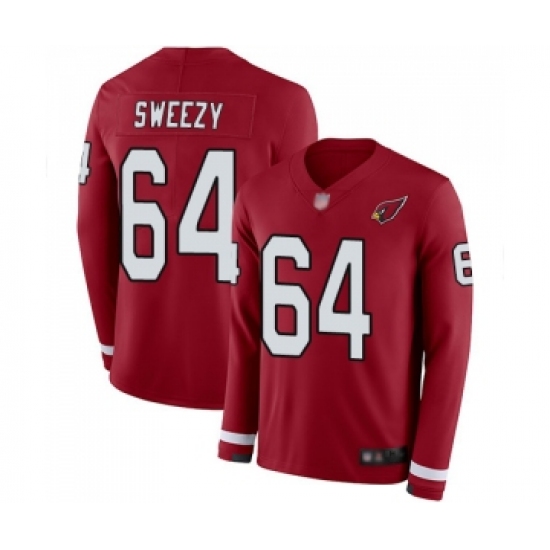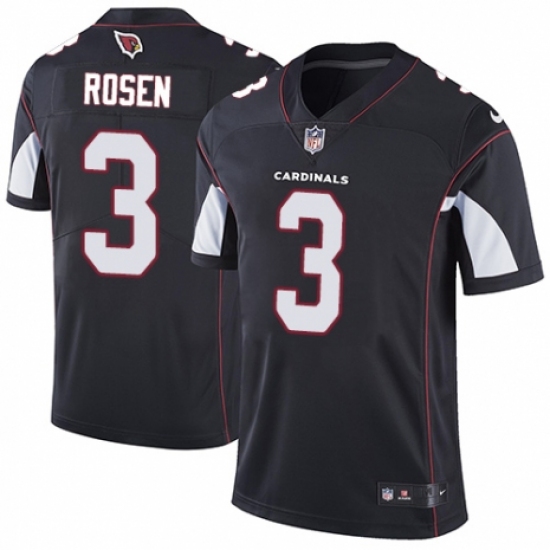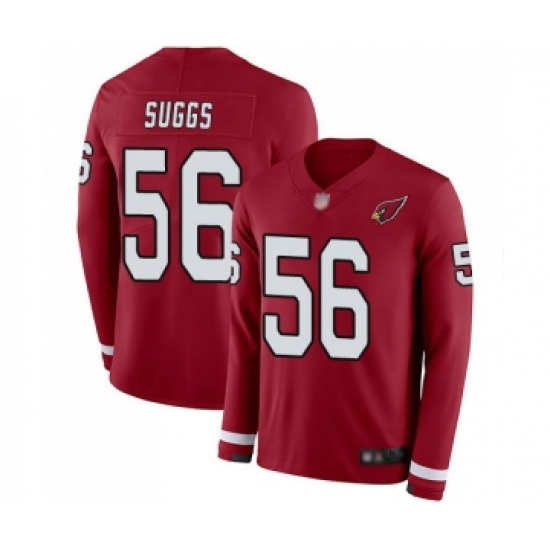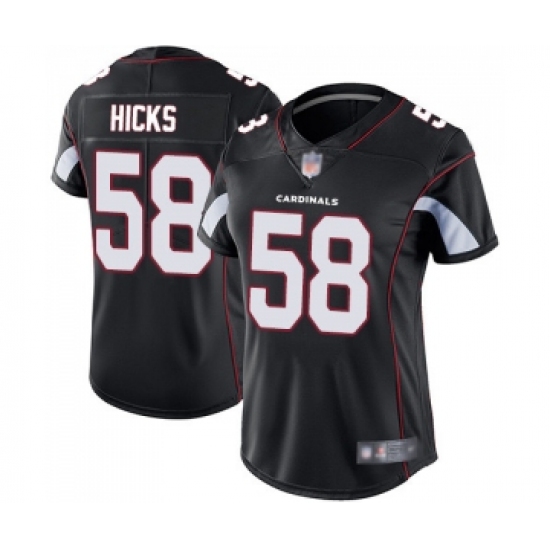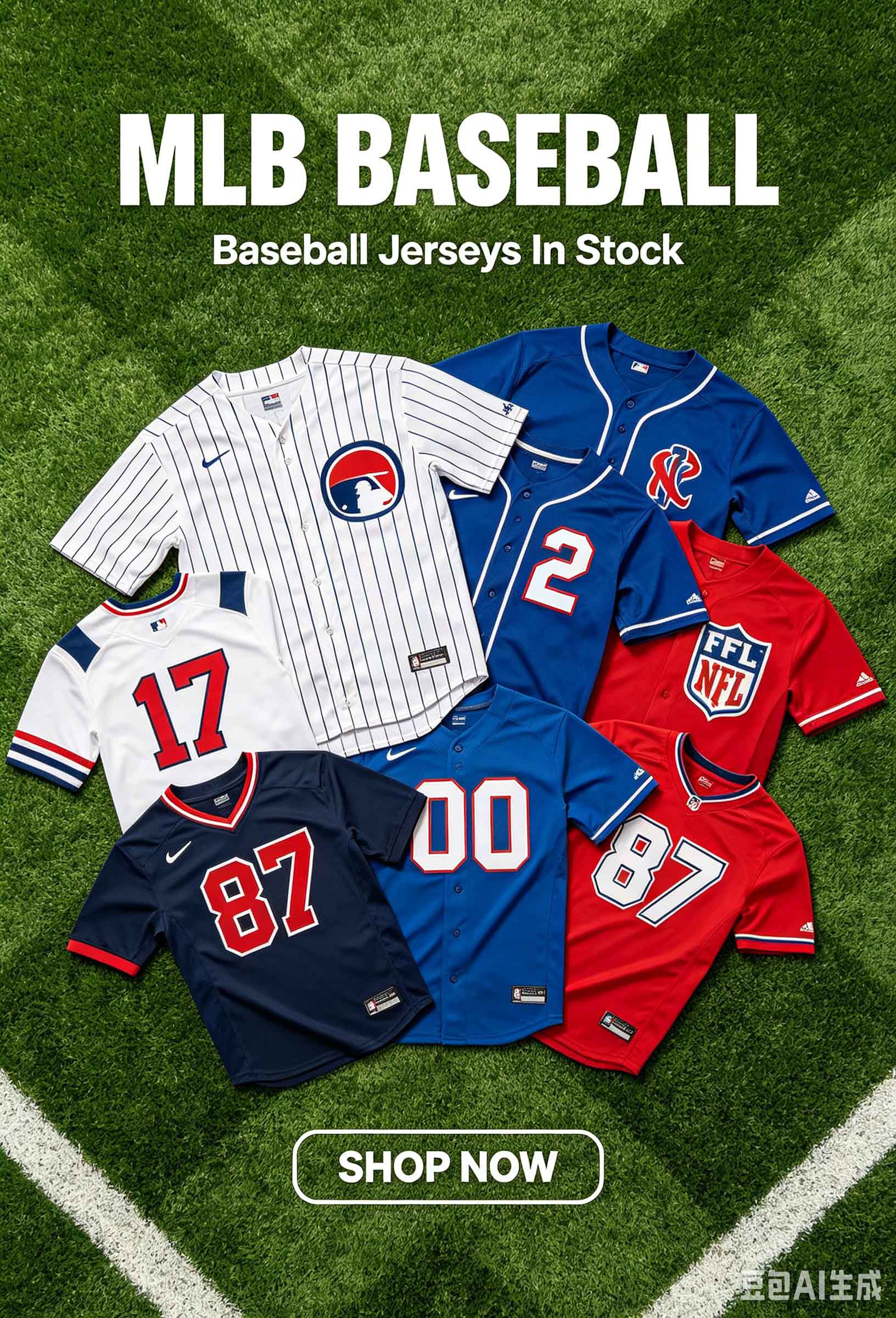
If you are weighing stitched vs printed NFL jerseys for a bulk order, the decision comes down to where you sell and what your customers expect to feel in their hands. I have quoted both constructions out of the same factory floor for years, and the margin gap between them is almost always larger than new buyers assume.
Most resellers bleed profit because two or three middlemen each tack on 15–25% before the box ever leaves Asia. Others get burned by embroidery that frays after two washes, or wait 60 days for stock promised in three weeks. That is a sourcing problem, not a product problem.
Start with what each method actually is. Printed jerseys use sublimation or heat-transfer film, where the graphics sit on top of the fabric. Stitched jerseys use cut fabric pieces — usually tackle twill — sewn onto the body panel with dense zigzag or satin stitching.
The performance gap shows up fast. A printed number can crack, peel, or fade after 20–30 home wash cycles, especially if the transfer was applied at low temperature to save time. A properly stitched number on 300 GSM heavyweight mesh outlasts the jersey itself.
Cost is where buyers usually make the wrong call. At direct factory level, switching from print to stitched adds roughly $3 to $6 per unit, depending on layer count, stitch density, and whether the shoulder and sleeve logos are also twill. Retail resale value typically climbs $15 to $30.
That math only works if your factory is quoting real twill. Some suppliers advertise stitched and deliver single-layer embroidered patches that curl at the edges within a season. Ask for a 2-layer sample before you commit to a stock order.
Here is the construction spec I hold every production line to:
- Body fabric: 100% breathable polyester mesh, 280–320 GSM for game-weight feel
- Numbers and letters: double-stitched Tackle Twill, two layers, clean cut edges
- Interior: soft interior backing behind every stitch zone to prevent skin irritation
- Collar: reinforced collar bands with ribbed knit that holds shape after washing
- Stress points: bartack reinforcement at shoulder seams, armholes, and side vents
- Stitch density: 8–10 stitches per inch on tackle twill, Z-pattern lock at all corners
Those six points separate a jersey that survives a full football season from one that comes back as a return. If a supplier cannot confirm stitch density or backing material in writing, you are buying a gamble.
The Chinese source factory advantage is real, but only when you deal with the factory. Domestic US distributors buy from the same Guangdong and Fujian plants I work with, mark it up 2.5x, and resell to you as "domestic stock." Cut that layer and your landed cost drops by half.
For buyers comparing both builds on a single purchase order, our stitched vs printed NFL jerseys production runs are quoted separately so you can see the exact per-unit delta before you decide.
Direct factory sourcing also means you control the fabric, not just the artwork. Want a lighter summer-weight mesh for retail in Texas? Want a heavier 320 GSM for a cold-weather team? Both are available on the same production line — no minimum re-tooling fee.
Sizing is the second most common reason bulk orders fail. NFL jersey sizing runs large compared to standard athletic fit; a men's medium usually measures 21 inches pit-to-pit. Always pull the factory size chart and request a grading table by size run, not a single flat measurement.
Order a size set before a full run. One medium, one large, one XL, one youth large, shipped by air. You will spend under $100 and save yourself a five-figure mistake on a 500-piece order.
Quality inspection is where experienced buyers separate themselves. Insist on AQL 2.5 for major defects and 4.0 for minor defects, checked against a written spec sheet, not a photo. Require fabric weight verification with a GSM cutter on at least three panels per batch.
Ask for a wash test report. Twenty cycles at 40°C, then inspect for stitch fraying, twill lifting, transfer cracking, and color bleed. A factory that runs this test in-house without being asked is a factory worth keeping.
Packaging matters more than most resellers think. Standard export is one jersey per poly bag with a hang tag, 30–50 units per carton, carton weight under 20 kg for warehouse handling. Custom hang tags and woven labels usually add only 8–15 cents per unit at volume.
Shipping is now the easiest part. Air express lands in the US in 5–8 days for sample orders, sea freight runs 25–35 days for full containers, and DDP terms mean your landed cost includes duty so you can price retail without a surprise invoice.
Run a simple margin check before you order. A stitched jersey at $14–18 factory cost, landing at $20–23 all-in, resells at $45–70 in most US and EU markets. Printed versions land lower but sell lower, and they get returned more often.
Here is the quick decision framework I give every new wholesale account:
- Choose stitched if you sell to collectors, team stores, or anyone who inspects the number up close
- Choose printed if you need high volume at the lowest possible unit cost for fan giveaways or youth leagues
- Choose both if you run a mixed catalog — stitched as your premium tier, printed as your entry tier
Care instructions are worth printing on your own hang tag, because customer misuse creates returns you cannot recover. For a stitched football jersey: turn it inside out, wash cold on gentle, skip bleach and fabric softener, and never put it in a hot dryer.
Tumble drying is what kills tackle twill. The heat softens the adhesive stabilizer behind the twill, the edges lift, and the stitch line starts to curl. Hang dry, and if you must press it, use a cool iron on the reverse side only.
Store jerseys folded rather than hung if the shoulders are heavily stitched. Wire hangers concentrate weight on the shoulder seam and can stretch the collar band over a full season of display.
For youth programs and school leagues, order one size up from the standard chart. Kids grow through a season, and a tight-fitting stitched jersey gets returned faster than a slightly loose one.
How many units do I need for the stitched upgrade to pay off? Usually anything above 100 pieces per style. Below that, setup time per twill color raises your unit cost and erodes the margin advantage.
Can I mix teams and sizes in one bulk order? Yes. Most of our production lines run mixed style orders as long as each style meets the minimum per design, usually 20–30 pieces for stock designs and 50 for full custom.
What is the realistic lead time? Stock designs ship in 3–7 days. Full custom with names, numbers, and team colors runs 12–18 days plus transit. Plan 30 days door to door for a first custom order.
Do you provide samples before bulk? Always. Sample turnaround is 5–10 days, and sample cost is credited back on the bulk order once it ships.
If you are ready to compare real factory pricing side by side, shop the full NFL jersey catalog at www.jerseyswholesalechina.com. You get direct first-tier factory pricing, low MOQ entry points, mixed-style ordering, and worldwide express dispatch from the source — no middleman layer, no markup stacking, no guessing on quality.