When a reseller asks me about stitched vs printed NFL jerseys, the honest answer is that both sell — but only one protects your margin. Printed runs are cheap to make and cheap to compete on, and every overseas middleman in the chain knows it. Stitched tackle twill is where a wholesale buyer holds real pricing power, because the labor gap is hard to fake.
The complaint I hear every week: a buyer locks in a price through a trading company, waits 45 days, opens the carton, and half the numbers are lifting at the corners. That is what three layers of markup between you and the sewing floor looks like. Going direct fixes it — if you know what to spec.
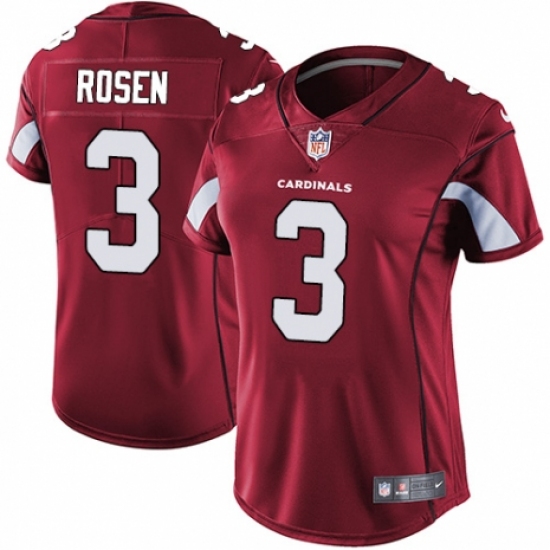
Start with construction math. A printed NFL jersey uses heat-transfer vinyl or sublimated panels pressed onto 180–220 GSM polyester. There is no thread, no twill, no edge stitching. Factory labor time per jersey is measured in seconds, not minutes.
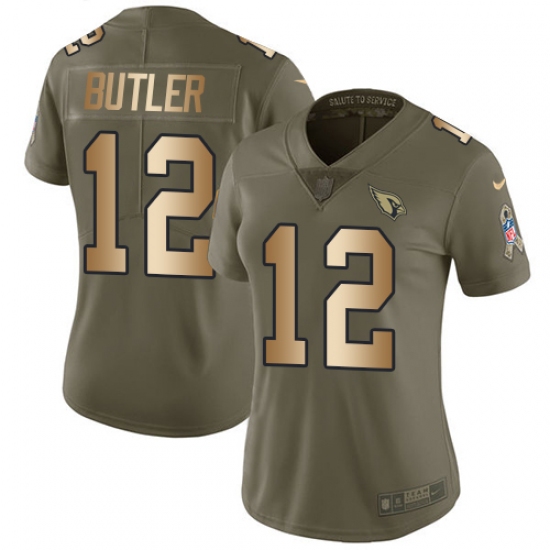
A stitched jersey is the opposite. Each number is cut from twill, layered, and sewn down with a zigzag edge stitch around the perimeter. A two-color number takes 6 to 10 minutes of machine time. Multiply that across a full roster set and you understand why the price gap exists — and why the product holds up.
Fabric weight is the second spec that matters. Cheap blanks run light and go see-through under stadium lights. Export-grade shells use 100% breathable polyester mesh at 300 GSM, the same heavy mesh found in on-field game jerseys. Heavier mesh drapes properly, resists snagging, and keeps its shape past 30 wash cycles.
Ask any factory for mesh weight in writing. If the answer comes back as "premium quality" with no number attached, that supplier is buying from a jobber, not knitting to spec.
Numbers should be double-stitched Tackle Twill, not single-pass. The first pass secures the twill to the mesh. The second pass binds the layers and stops the edges from curling. Single-stitch numbers look fine on a rack and fail after four washes.
Thread tension matters as much as stitch count. A properly set machine runs 8 to 10 stitches per inch with color-matched thread. Request a sample and look at the reverse side — uneven bobbin tension shows up instantly as puckering along the mesh panel.
Soft interior backing is the detail separating export-grade jerseys from domestic cheap runs. The back of a twill number rests against bare skin or a base layer. Without a fused or stitched backing cloth, embroidery thread and twill edges chafe, and parents notice on youth sizes faster than anyone.
Reinforced collar bands are the other wear point. A rib-knit collar with an internal stabilizing strip holds shape through repeated pulls. Unreinforced collars stretch into a wave by week three, and that is a return you pay for.
None of this makes printed jerseys worthless. For youth flag leagues, practice sets, and promotional giveaways, a well-made sublimated jersey is the correct tool. Print is dyed into the fabric rather than layered on top, so it will not crack when the factory uses the right press temperature and dwell time.
Where printed fails is at retail. A customer who paid $85 and sees a peeling number at the shoulder does not blame the factory. They blame you, and they do not reorder.
Buying direct removes the markup, but you still have to spec the product. Before committing to a bulk order, compare real construction side by side — stitched vs printed NFL jerseys — and decide which build your market will actually reorder.
Sizing is where most bulk orders go sideways. An NFL cut is generous through the chest and shoulders, so a size chart built from t-shirt measurements produces returns. Measure the garment flat, pit to pit, and compare against a finished sample.
- Youth: S (8), M (10–12), L (14–16), XL (18–20) — check sleeve length, not just chest.
- Adult: S through 3XL; plus sizes usually need a separate pattern, not graded measurements.
- Women's cut: shorter body, tapered waist, narrower shoulder — never substitute men's sizing.
- Tolerance: ±0.5 inch on chest is acceptable; anything wider is a grading problem.
Set the inspection standard before production starts, not after. AQL 2.5 on major defects is the apparel norm. For stitched numbers I tighten to AQL 1.5, because stitch failures are visible to end customers and expensive to fix once the container has sailed.
- Stitch density and continuity on every number and letter
- Number alignment within ±1/8 inch of the pattern marker
- Thread color match checked under D65 lighting
- Colorfastness, both wet and dry rub
- Shrinkage under 3% after one wash cycle
- Finished measurements against the approved size chart
Require a pre-shipment inspection report with per-carton photos. A single stock image of one jersey tells you nothing about the 400 pieces behind it.
Factory pricing is tiered by quantity, not by relationship. A typical ladder breaks at 50, 200, and 500+ pieces per style, with unit cost dropping at each step. Mixing sizes inside a tier is standard. Mixing teams usually is not, because each team needs its own twill color cuts and machine setup.
Low MOQ programs exist for buyers testing a new market. Expect to pay closer to the 50-piece tier, and expect stock colorways to be the only option. Pantone-matched custom twill carries a setup charge that only makes sense above 200 pieces.
Lead times split into two buckets. Stock jerseys in common sizes ship in 3 to 7 days. Custom stitched orders take 12 to 20 days depending on twill color availability and how many name-and-number combinations you need. Air freight adds 4 to 7 days; sea freight runs 25 to 35 days to US ports.
Margin math is simple. If a stitched jersey lands at your door on a wholesale unit cost and retails between $75 and $110, you are working with 2.5x to 3.5x markup. Printed units land cheaper but retail for less, and the buyer has no specific reason to come back to you.
Mix the catalog roughly 70/30 stitched to printed. Stitched carries the brand and the repeat business. Printed fills the low-price slot that keeps price shoppers from walking out the door.
Ship care instructions with every order. It cuts complaints and makes your listing look professional. Stitched jerseys get washed inside out in cold water on a gentle cycle, then hung to dry. No dryer, no bleach, no fabric softener — softener coats the mesh and kills wicking performance.
If a number wrinkles, press it from the reverse side with a cloth between the iron and the twill. Never iron directly on mesh. Direct heat glazes polyester and that damage is permanent.
Is stitched always better than printed? For retail resale, yes. For youth practice sets, giveaway nights, and budget rec leagues, a properly sublimated printed jersey is more cost-effective and still survives a full season.
What is the minimum order for custom stitched NFL jerseys? Most China source factories start at 50 pieces per style for stock colorways. Custom twill colors and Pantone matching typically start at 150 to 200 pieces because of the setup involved.
How long do stitched jerseys last? With inside-out cold washing and air drying, a properly built stitched jersey holds shape and lettering for 3 to 5 years of regular wear. Heat-transfer printed numbers in the same conditions often show edge lifting within 12 to 18 months.
How do I verify quality before paying a large balance? Order a paid sample, wash it three times, then inspect stitch density, alignment, and shrinkage. Negotiate 30% deposit and 70% against the inspection report. Any supplier who refuses that structure is telling you something.
Wholesale comes down to two numbers: landed cost and reorder rate. Stitched tackle twill costs more up front, but it is the product that brings buyers back and keeps your brand out of the discount bin. If you are ready to lock factory-direct pricing with low MOQ and fast global dispatch, browse the current NFL wholesale catalog at www.jerseyswholesalechina.com and request a quote — tier pricing comes back within 24 hours.