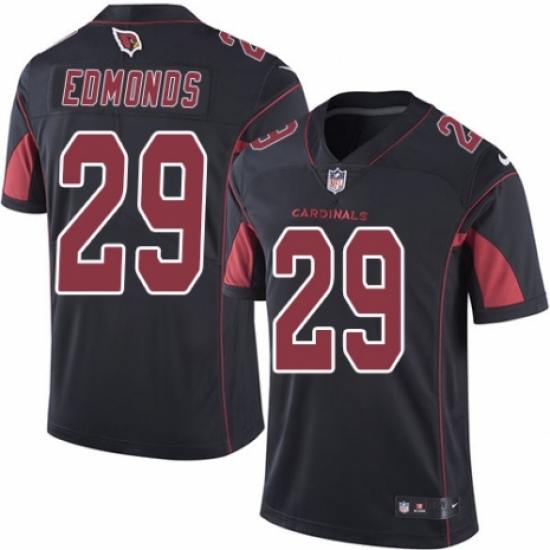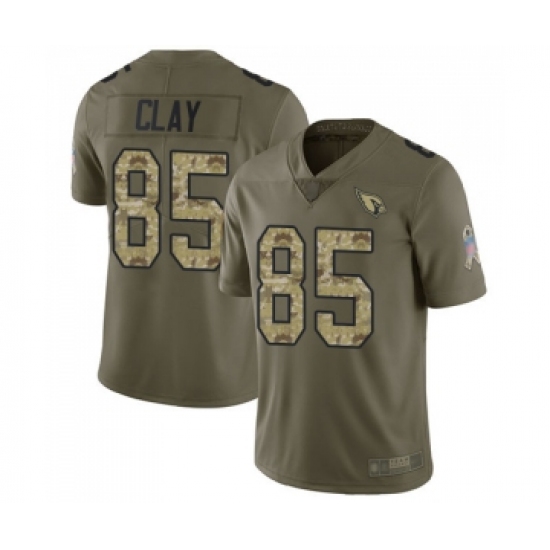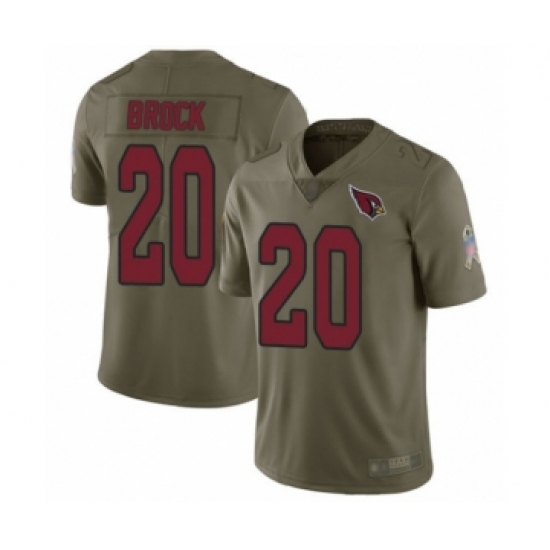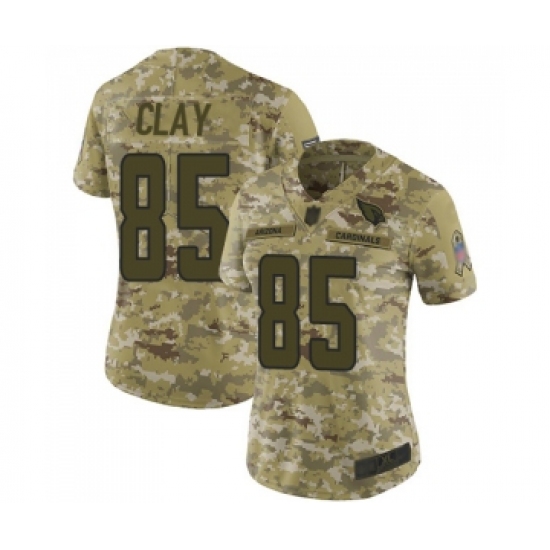
If you source custom NFL jerseys with names and numbers for a team, a league, or a retail drop, the margin math almost always breaks in the same place — the middlemen. Every extra trading company between you and the sewing floor adds 15–30% to your landed cost, and that markup comes straight out of your profit.
The alternative is buying factory-direct from China, where the knitting, cutting, stitching, and embroidery all happen under one roof. That is the model we run, and it is why distributors resell our stock at 2.5x–3x without losing a single sale on price.
Here is what actually matters when you place a bulk order, from fabric weight to stitch density to the QC steps that decide whether your reorder happens.
Start with the body fabric, because it decides how the jersey feels on a buyer's shoulders. A legitimate source factory runs 100% breathable polyester mesh at 300 GSM for football and hockey, and 180–210 GSM for basketball and baseball. Lightweight mesh that pills after two washes is the fastest way to lose a repeat account.
Ask for the mesh spec in writing: yarn denier, airflow rating, and shrinkage after three home launderings. A real factory holds shrinkage under 3% and passes a 4-grade colorfastness test on both wet and dry rub.
Numbers are where cheap suppliers expose themselves. Proper double-stitched Tackle Twill numbers are built in layers — a base twill, a top color layer, then a perimeter satin stitch at 8–10 stitches per inch. Single-layer printed numbers crack at the first fold. Two-layer sewn twill does not.
Size matters too. Front numbers usually run 8 inches, back numbers 10–12 inches depending on jersey cut, and nameplate letters sit at 2.5–3 inches. If your supplier cannot quote those specs back to you, they are brokering, not manufacturing.
Two construction details separate a jersey that survives a season from one that comes back as a complaint. The first is soft interior backing behind every embroidered and stitched element — it stops the twill edges and thread tails from scratching skin. The second is reinforced collar bands with Z-stitch reinforcement at the armholes, shoulders, and hem.
Run your hand inside a sample. If you feel raw thread ends or stiff interfacing, reject the lot. That single check catches more bad production than any paperwork.
For the names and numbers themselves, most buyers choose from four decoration methods:
- Sewn tackle twill — best durability, best resale value, 2–3 layers typical
- Embroidered twill patches — strong detail on small logos and sleeve marks
- Full sublimation print — lightest option, ideal for youth and practice sets
- Heat transfer vinyl — fastest turnaround, lowest unit cost at small quantities
Order swatches of all four before you commit to a full run. A 20-piece test order costs very little and tells you exactly how each method behaves after five washes.
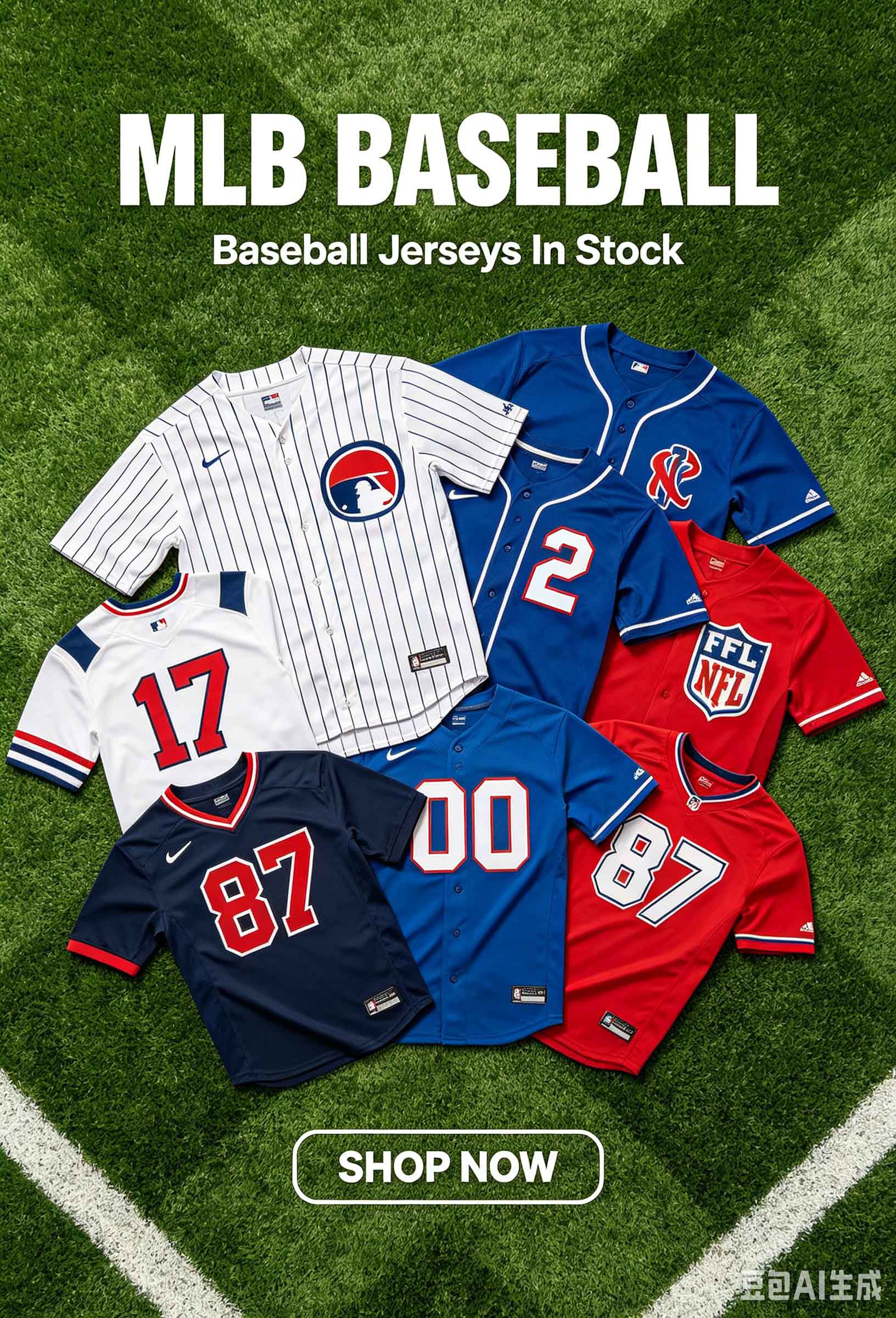
Minimum order quantities at the source level are far lower than most distributors expect. Typical factory MOQs land at 10–20 units per design when you mix sizes, and stitched jerseys are the standard here — check the custom NFL jerseys with names and numbers line to see how size runs and nameplate fonts are structured on real production stock.
Pricing moves in tiers. A 20-piece run sits at one rate, 100 pieces drops it noticeably, and 500+ pieces unlocks the best per-unit band. Bulk stitched jerseys commonly land in the $14–$26 per unit range depending on fabric weight, twill layers, and quantity — which leaves healthy room whether you sell at retail, to a league, or through a distributor channel.
Size charts are the most underrated tool in wholesale buying. Always source the factory's flat-measurement chart, not a generic retail chart. Chest width, body length, and sleeve length measured flat will differ from a body-measurement chart by 2–4 inches, and that gap creates the returns you cannot afford.
Push for youth sizes S through XL and adult S through 3XL, with tall cuts on request. Team buyers ordering for a full roster need the back half of the size run as much as the front.
Quality control is where factory-direct sourcing either works or falls apart. Set these standards before production starts:
- Pre-production sample approved in writing with photos of every panel
- AQL 2.5 inspection on major defects, 4.0 on minor
- 4-point fabric inspection on incoming rolls
- Colorfastness and shrinkage testing on each dye lot
- Snap and button pull tests on button-down baseball styles
- Third-party inspection welcomed, not resisted
Ask to see the internal QC report from your production run, not a blank template. A factory that documents stitch counts per inch and thread tension has nothing to hide.
Production time on a stitched order runs 7–12 working days after sample approval, with larger runs scheduled across multiple lines. Express shipping lands in North America in 3–5 days, and consolidated air freight keeps landed cost reasonable on 100+ piece orders.
Care instructions protect your resale reputation, so pass them to your buyers. Wash cold, inside out, on a gentle cycle. No bleach, no fabric softener on mesh. Hang dry or tumble low. Never iron directly on twill numbers or embroidery — press from the reverse side with a cloth. Stitched jerseys handled this way hold their shape for years.
Packaging is a quiet profit lever. Individual poly bags, printed hang tags, and size stickers cost cents per unit and let you sell a factory order as a finished retail product. Private-label neck labels are available at modest quantities if you want your own brand on the collar.
The math is simple: fewer hands between the sewing floor and your warehouse means lower cost, faster reorders, and better control over quality. Buyers who move to direct factory sourcing stop negotiating over scraps and start setting their own retail prices.
Q: What is the minimum order for custom NFL jerseys with names and numbers?
Most styles start at 10–20 units per design with mixed sizes, and stitched construction is standard from that level upward.
Q: How long does bulk production take?
7–12 working days after sample approval, plus 3–5 days express transit to the US, Canada, or Europe.
Q: Can I mix teams, colors, and fonts in one order?
Yes. Mixed designs are routine, though each distinct design carries its own minimum and its own sample approval.
Q: Are the jerseys stitched or printed?
Both are available. Stitched tackle twill is the default for adult retail and team sets; sublimated print is the usual pick for youth and practice jerseys.
Head to shop the full NFL jersey catalog to see current stock, tier pricing, and size runs, then send your roster and design list for a factory quote. First-order pricing, low MOQ thresholds, and worldwide express dispatch are standard — no trading company in the middle, no inflated unit cost, and a QC standard you can hold us to on every reorder.