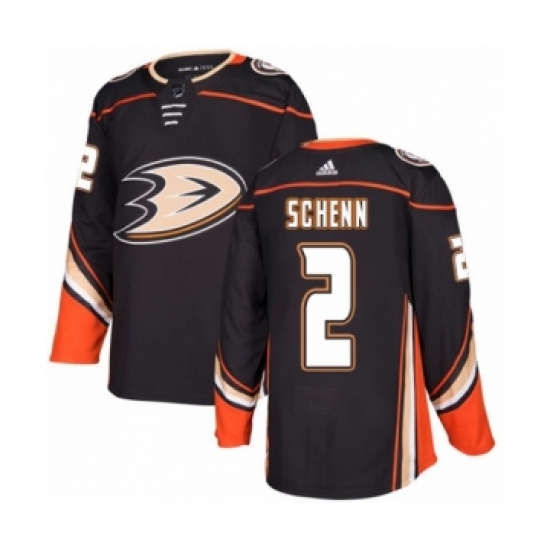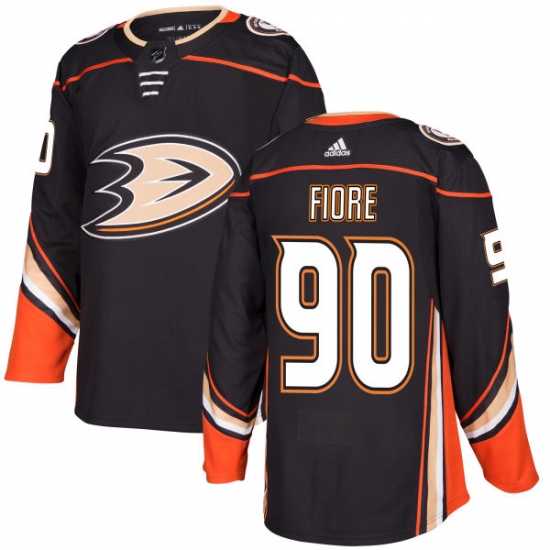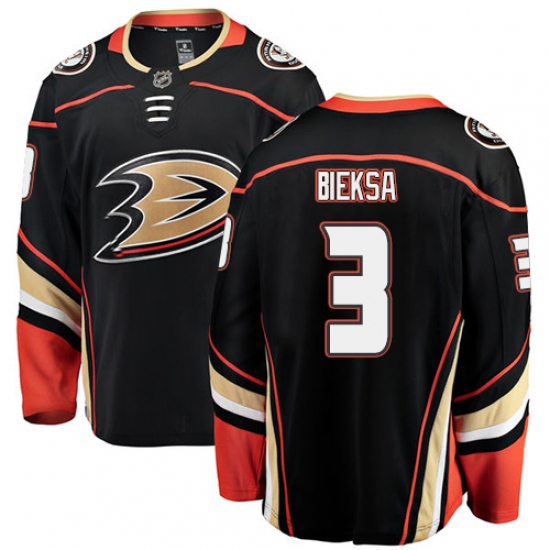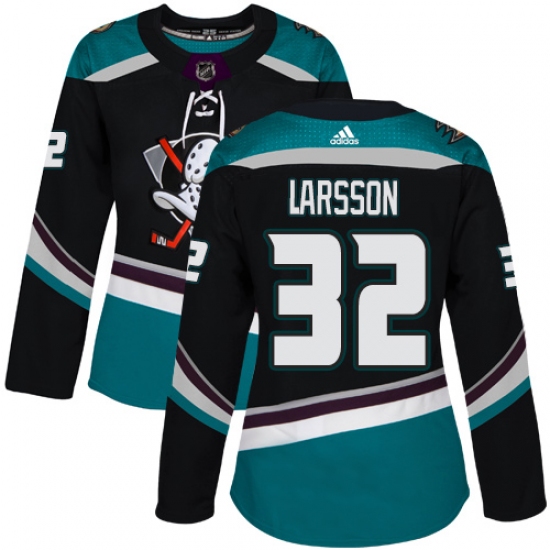
If you are sourcing Milwaukee Bucks jerseys wholesale, the price gap between a China factory and a domestic distributor is typically 35% to 60% on an identical build. That gap is your profit. Most resellers never see it because they buy through a trading company that adds a layer of markup, or they chase the lowest quote and end up with cracked prints and blown seams after two washes.
We produce out of owned and audited workshops in Guangdong and Fujian. This breakdown covers the exact specs, inspection points, and order math you need before placing a bulk PO.
Start with where the money actually goes. A Bucks jersey that lands at $19 from a US wholesaler usually leaves the factory at $7 to $10 depending on fabric weight, stitch count, and trim packages. The middle layers — importer, customs broker, regional warehouse, distributor — each take 8% to 20%. Cutting one or two of those layers out is the entire business case for buying factory direct.
Fabric is the first thing to verify, because it drives both hand-feel and your return rate. Ask for 100% breathable polyester mesh at 300 GSM for the main body. Lightweight 180 GSM mesh feels flimsy on a jersey sold as pro-grade and shows nipple-through in photos, which kills online listings. Heavyweight mesh holds its shape through repeated wear and drapes correctly on a hanger, and it takes dye more evenly, so team green stays team green instead of fading to gray-green after ten washes.
Stitching quality separates a $9 jersey from a $25 jersey, and it is the number one complaint we hear from buyers who switched suppliers mid-season. The standard you want is double-stitched Tackle Twill numbers with a tight satin edge, not heat-pressed vinyl. Twill is cut, layered, and sewn down with a dense zigzag border. Vinyl is cheaper, faster, and it peels from the edges inward. If a supplier cannot confirm Tackle Twill in writing, that is your answer.
Look at the whole build before you commit. A shop that has real depth in Milwaukee Bucks jerseys wholesale will volunteer these details without being pushed:
- 300 GSM heavyweight mesh body with Z-stitch reinforced stress points at the shoulder and armhole
- Double-stitched Tackle Twill front and back numbers, nameplate sewn not glued
- Soft interior backing behind every embroidered area so threads never scratch skin
- Reinforced collar bands that resist stretch after 30+ wash cycles
- Side vents, drop tail hem, and a woven jock tag matching the retail layout
That interior backing matters more than buyers expect. Cheap embroidery leaves exposed thread tails on the inside of the chest and shoulders. Kids wearing the jersey for a full game end up with red marks. A soft cotton or tricot patch layered behind the stitching solves it for roughly $0.15 per piece at volume, and it is one of the fastest ways to cut complaints from youth programs and school teams.
Collar construction is where a lot of budget factories quietly cut cost. A single-fold collar edge stretches out and curls within a season. A reinforced band with an inner strip keeps the neckline flat and keeps its shape after machine washing. Flat-lock seams along the side panels should be uniform, with no puckering and no missed stitches at the seam ends.
Sizing needs a real range if you sell to leagues. Standard runs are S to 3XL for adults, plus youth S-XL and women's cut options. Chest width tolerance should sit within ±1 cm against the spec sheet, and sleeve length within ±0.5 cm. Ask for a graded size chart with actual garment measurements, not body measurements. Resellers who publish accurate flat-lay measurements see noticeably fewer size-related returns.
Customization is where the margin lives. Names and numbers, custom nameplates, sleeve patches, and team-specific fonts all run on the same production line. For a Bucks-style build you are looking at sewn twill letters for the nameplate and either twill or embroidered chest wordmarks. Screen-print numbers cost less but do not survive a season of pickup games, so keep printed builds for promotional runs and stitched builds for anything a customer will wear weekly.
Volume breaks usually land in tiers: 50-99 pieces, 100-299, 300-999, and 1,000+. Each tier typically drops 6% to 12% off the unit price. Mixing sizes within a tier is normal — you should not have to order 100 of one size to hit a price break. If a factory forces single-size minimums per tier, they are reselling, not manufacturing.
Inspection is non-negotiable on bulk orders. A proper pre-shipment check covers:
- AQL 2.5 sampling on major defects, AQL 4.0 on minor
- Flat-lay measurement against the size spec on at least 10% of the lot
- Color verification under D65 lighting against an approved lab dip
- Stitch density check — loose tension and skipped stitches are reject-level
- Wash test on a random sample: no more than 3% shrinkage, colorfastness grade 4-5
Lead times split into two tracks. Stock programs in core team colorways ship in 3 to 7 days after payment. Custom stitched runs with names and numbers usually need 12 to 20 days plus transit. Air express lands in the US in 5 to 8 days; sea freight runs 25 to 35 days at roughly a fifth of the air cost. For a first order, air a small test batch, confirm the build, then move the bulk by sea.
Run your margin math before you buy, not after. At a $9.50 landed cost on a stitched jersey and a $59.99 retail or $42 reseller price, you are working with a 60% to 70% gross margin. Even at a $34.99 online price you hold 55%+. That only holds if the jersey actually survives customer handling, which is why the fabric and stitch specs above are worth arguing over for a nickel per piece.
Protect that margin with basic care guidance you can pass to your buyers. Machine wash cold, inside out, gentle cycle. No bleach, no fabric softener — softener breaks down the twill adhesive and dulls embroidery thread. Hang dry or tumble low. Never iron directly on stitched numbers; press from the reverse side through a cloth if needed. A jersey handled this way holds its shape and color for years, which is exactly what drives repeat orders.
Watch for these red flags when vetting a supplier. Refusal to send a physical pre-production sample. Photos that never show the inside of the jersey. Prices that undercut every other quote by 30% with no explanation. Payment demanded only through untraceable channels with no company documentation. Any one of those is enough to walk away — there are too many legitimate factories in China to gamble on an unclear one.
For league managers and team buyers, order early and lock the colorway. Bulk orders tied to a specific season should be placed 6 to 8 weeks before the first game to absorb production and freight without rush fees. Include 3% to 5% spares across the most common sizes — replacements mid-season are far cheaper than a second small production run.
Frequently Asked Questions
What is the minimum order for Milwaukee Bucks jerseys wholesale?
Most factory-direct programs start at 50 pieces per design, with mixed sizes allowed inside that run. Stock colorways in core sizes can sometimes ship in smaller quantities, but the per-unit price is higher below the 50-piece tier.
Are stitched jerseys worth the extra cost over printed ones?
For anything a customer wears weekly, yes. Stitched Tackle Twill outlasts print by several seasons, resists cracking, and photographs better for online listings. Printed builds make sense for one-off events and promotional giveaways where the jersey is worn a handful of times.
How do I verify quality before a large order?
Request a pre-production sample with your actual specs — fabric weight, stitch type, name and number style. Approve it in writing, then reference that sample number on the PO. Require a pre-shipment inspection report with measurement photos before the balance is released.
How long does shipping take to the US or Europe?
Air express is 5 to 8 business days door to door. Sea freight is 25 to 35 days port to port. DDP options that cover duties and customs clearance are available and usually worth it for first-time importers who want a predictable landed cost.
If you want to see actual specs, tier pricing, and live stock before you commit, shop the full NBA jersey catalog at www.jerseyswholesalechina.com. You get first-hand factory pricing, low MOQ entry points on stock programs, and worldwide direct shipping with pre-shipment inspection built into every bulk order. Send your size breakdown and name/number list, and production can start the same week.