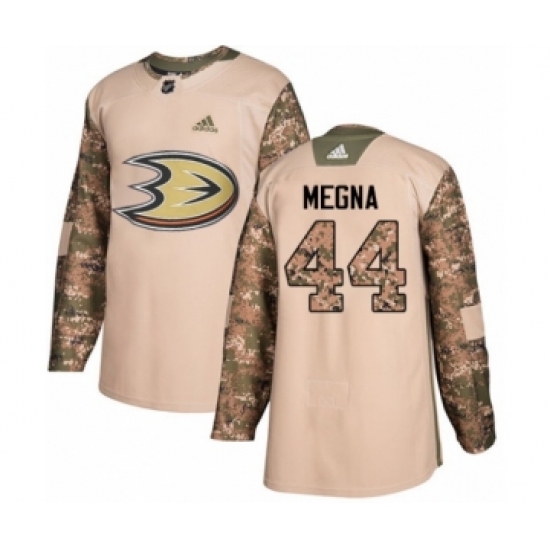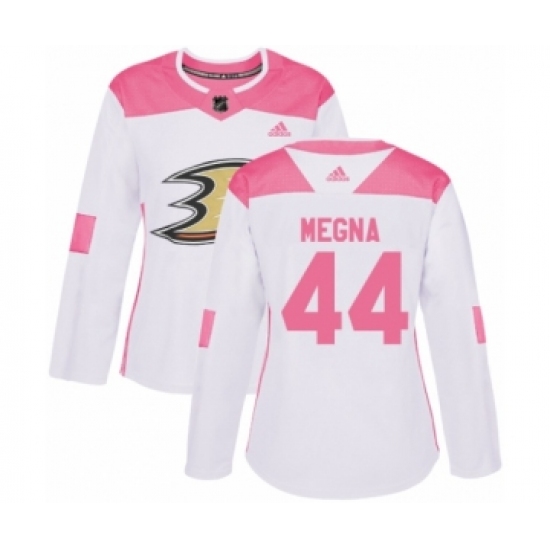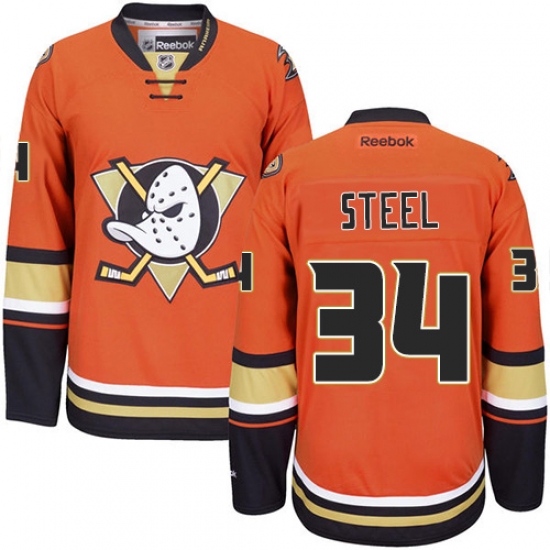
When you buy Los Angeles Rams jerseys in bulk, your margin is locked in long before the first carton leaves the warehouse — it is decided by who you source from. Buy through two or three domestic resellers and you are paying their markup, their warehouse rent, and their profit on top of the same product that left a factory floor in China.
That is the problem most team apparel buyers run into. Inflated unit costs, inconsistent embroidery from batch to batch, glue-backed patches that peel after two washes, and 45-day lead times that kill a season window. Going straight to the source fixes all four at once.
Here is what a real direct-from-factory Rams order looks like, from fabric spec to final inspection.
The single biggest variable in your landed cost is how many hands touch the product before it reaches you. A trading company in your country buys from an exporter, who buys from a factory, who may buy from a workshop. Every layer adds 12% to 30%. A genuine source factory quotes you the first price in that chain, not the fourth.
On Rams jerseys specifically, ask your supplier one question before anything else: what is the fabric weight? Most budget suppliers quote 150 to 180 GSM mesh. That is a T-shirt-grade knit. It photographs thin, it shows every fold, and it feels cheap in a customer's hands. Your floor should be 300 GSM 100% breathable polyester mesh — dense enough to hold structure on a hanger, engineered perforations for actual airflow, and a weight that reads as premium the moment someone picks it up.
Construction is where the gap between real factory and flea-market supplier shows up. Demand these four specs:
- Double-stitched Tackle Twill numbers — laser-cut twill layered on a base layer, edge-stitched twice at 8 to 10 stitches per inch, not heat-pressed vinyl.
- Embroidered team nameplate and shoulder marks with tight thread density and clean borders, no loose thread tails on the reverse.
- Soft interior backing — a tricot or interlock layer behind the embroidery so the stitch work never scratches the wearer's chest or back.
- Reinforced collar bands — a ribbed knit collar with elastane content that springs back after stretching, plus Z-stitch or bar-tack reinforcement at every stress point: shoulder seams, armholes, and side vents.
Skip any one of these and your returns rate climbs. The interior backing alone is the difference between a jersey a customer wears all season and one they complain about after 20 minutes.
If you want to buy Los Angeles Rams jerseys in bulk without guessing at specs, start by requesting a physical sample of the mesh and a close-up photo of the stitching under magnification. Reputable factories send both without hesitation. Suppliers who dodge the request are selling you something they have never inspected themselves.
Color accuracy is the next silent profit killer. Rams royal blue and sol gold are specific tones. Ask for Pantone references and a colorfastness rating of grade 4 to 5 under both washing and rubbing tests. Faded gold trim on a $90 retail jersey generates chargebacks you will never recover.
Sizing runs a close second. Many Chinese suppliers cut to Asian size charts, which can run one to two sizes small against US expectations. Confirm three things in writing: chest width measured flat across the armholes, body length from high point shoulder to hem, and a stated shrinkage ceiling of under 3% after one cold wash. A supplier who provides a flat-measurement chart per size is a supplier who has actually done bulk business with US buyers.
Rams orders typically need S through 3XL, plus youth sizes and a big-and-tall tier. Youth sizing is where a lot of wholesale programs quietly fail — the proportions get scaled down incorrectly and the shoulders sit wrong. Ask for a separate youth measurement grid, not a scaled version of the adult chart.
Batch consistency matters more than any single unit. On a 500-piece run split across three colors, thread shade, mesh dye lot, and twill thickness must match across every carton. This is why factory-direct sourcing beats buying surplus stock: you are ordering one production run, not assembling mismatched lots from a distributor's shelf.
Pricing is tiered, and the tiers are real. A typical structure looks like this:
- 20 to 49 pieces per style — entry tier, suitable for testing a market or filling a small league order.
- 50 to 199 pieces — mid tier with a meaningful drop in unit cost, the range most resellers settle into.
- 300+ pieces — bulk tier, and where custom name-and-number sets get genuinely cheap.
Customization is the highest-margin move available to you. Blank team-color jerseys sell at commodity pricing. The same jersey with a customer's chosen name and number on the back sells for 20% to 40% more. Confirm that your supplier handles heat-transfer or embroidered personalization in-house — outsourcing it adds a week and a middleman.
Inspection standards should be written into the order, not assumed. The workable baseline is AQL 2.5 for major defects: open seams, misaligned twill, wrong color, missing jock tag, off-center chest crest. Ask for a pre-shipment inspection report with carton-by-carton photos and a measurement log pulled from random units. Any factory confident in its line will run this at no extra charge on larger orders.
Lead times you can plan around: roughly 7 to 12 days for stock items, 15 to 25 days for custom production, plus air or sea freight. Sea freight from China to a US port lands in about 25 to 35 days and is the right call for anything over 200 pieces. Air express is for restocks you need in a week. Never let a supplier quote you one flat lead time for both.
Packaging affects retail presentation more than buyers expect. Request individual polybags with a size sticker, a hang tag if you sell in store, and carton labels showing style, color, size breakdown, and quantity. Unlabeled mixed cartons cost you hours of sorting at your own warehouse, and that labor is pure loss.
Pass a short care sheet to your customers and your return rate drops. Low heat only when pressing the twill, no fabric softener since it breaks down moisture-wicking properties, no bleach, and hang dry or tumble low. Cold wash, inside out, on a gentle cycle. Stitched jerseys handle repeated washing far better than printed ones, but the embroidery and twill still respond to care.
Reorder consistency is the real test of a sourcing relationship. Three months after your first Rams order, will the mesh weight, gold tone, and twill thickness match? Before committing long term, place a small second order and compare it against the first. Factories that store your specifications and dye-lot records pass this check without effort.
Payment terms are also worth negotiating. Standard practice is a deposit up front with the balance against shipping documents, but established buyers can push for better structures. Use a documented payment channel rather than direct bank transfer to an unfamiliar account, and confirm the beneficiary name matches the company on the invoice.
Now the math. If a domestic wholesaler quotes you $28 per stitched Rams jersey and a China source factory quotes $13 to $16 for the same specification with a lower minimum order, a 300-piece run saves you roughly $3,600 to $4,500 on a single purchase order. Run that across four orders a year and you are funding an entire additional product line with the difference.
What is the minimum order for custom Rams jerseys?
Many source factories start at 20 to 30 pieces per design, with mix-and-match sizing and a blend of colors allowed inside that count. Bulk tiers kick in at 50 and again at 300.
Are these jerseys stitched or printed?
The wholesale catalog is built around stitched construction: double-stitched Tackle Twill numbers, embroidered crests and nameplates, and soft backing behind the stitch work. Printed jerseys exist at a lower price point, but stitched holds resale value and survives washing better.
How do I verify quality before paying in full?
Order one sample first, then request a pre-shipment inspection with photos and measurement logs on the bulk run. Independent third-party inspection is available on request if you want a report from outside the factory.
How fast can a bulk order ship?
Stock designs move in about a week. Custom name-and-number runs take longer, plus transit. Ask for a written production calendar tied to your order date rather than a verbal estimate.
If you are ready to price a real order, the full source catalog is open at Jerseys Wholesale China. You get first-hand factory pricing with no importer markup, low minimums that let you test a market before scaling, tiered discounts that reward volume, and worldwide direct shipping from the production floor. Send your Rams size breakdown and quantity, and you will get a quote that reflects what the goods actually cost to make.