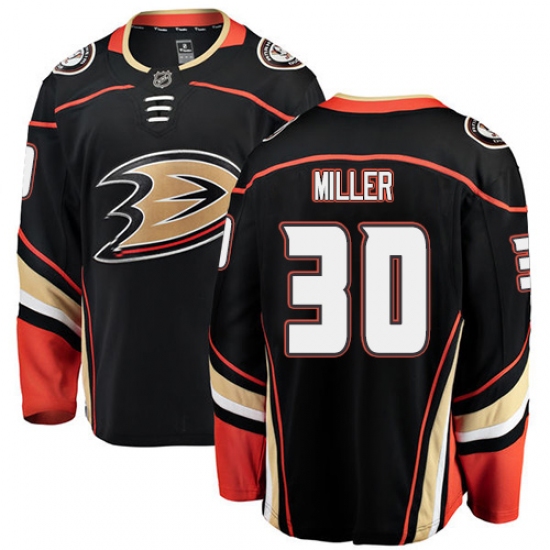
If you are weighing stitched vs printed NFL jerseys for a bulk order, the answer depends on what your buyers do with the jersey after they open the box. A screen-printed jersey is cheap to produce and cheap to replace. A stitched jersey is what league managers, team stores, and resellers reorder season after season. The gap between the two is not marketing talk — it is fabric weight, embroidery density, and how the garment holds up after 40 washes.
Most importers also lose margin to trading companies that add 15–30% on top without ever touching the product. Buying direct from a China source factory removes that layer, but only if you know which construction specs to demand in writing before the deposit goes out.
A quick technical distinction first. Printed jerseys put ink or heat-transfer film directly on the fabric surface. Stitched jerseys build the numbers and nameplate from separate layers of twill, then sew them down. The first method costs less per unit. The second method costs more per unit but carries a much higher perceived value at retail — and in group sales, perceived value is what closes the deal.
Here is the side-by-side most buyers never get from a middleman:
- Printed / heat transfer: 150–180 GSM polyester, 1–2 color passes, edges lift after 25–35 washes, no depth or texture.
- Stitched / Tackle Twill: 280–320 GSM heavyweight mesh, double-layered numbers, raised 2–3 mm profile, survives 60+ industrial wash cycles.
- Cost delta at factory level: roughly $2.50–$4.00 per unit more for stitched, depending on number count and stitch density.
- Resale delta: $12–$25 more per unit in most Western retail channels.
That math is why serious B2B buyers move to stitched construction once their volume stabilizes. The extra cost is recovered on the first sale.
Fabric is where cheap suppliers cut corners first. A genuine game-weight jersey uses 100% breathable polyester mesh at 300 GSM, knit with an open diamond structure so air moves through the chest panel. Suppliers chasing the lowest quote will ship 180 GSM interlock and call it mesh. Put both in your hand and you know in two seconds — the light one drapes like a T-shirt, the heavy one holds its shape on the hanger.
Ask for the fabric test report. Real factories will send GSM readings, shrinkage results after three wash cycles, and colorfastness at grade 4 or better. If a supplier hesitates on that request, they are sourcing from a third party and marking it up.
Stitch quality is the second filter. Look at the number panel edges. Proper double-stitched Tackle Twill numbers are sewn with a tight zig-zag lock stitch at 8–10 stitches per inch on the perimeter. Weak work runs 5–6 stitches per inch with visible gaps, and those gaps become lift points after a few washes. Run your thumbnail along the edge of a sample — if the twill separates from the mesh, reject the lot.
Nameplates are a separate failure point. A stitched nameplate should be attached with a straight stitch plus a reinforcing stitch at both ends. Heat-pressed nameplates peel at the corners in dry climates and after tumble drying, which is exactly how most end users treat a jersey.
Inside the garment, look for soft interior backing behind every embroidered area. Without it, the thread loops rub against the skin and buyers complain about itching within a week. It costs the factory a few cents per jersey and it is one of the clearest signals you are dealing with a real production line rather than a patch shop.
Collar and shoulder construction separate a $9 jersey from a $19 jersey. Reinforced collar bands with a double-row lock stitch prevent the neckline from stretching into a wave after repeated pulls. Shoulder seams should be taped, and side seams should be joined with a flatlock stitch rather than a basic overlock, because flatlock lays flat under the arm and does not chafe.
Sizing runs are another quiet profit killer. Chinese factory grading is usually accurate to US spec, but only when the buyer locks the spec sheet before production. Send your own measurements for chest, body length, and sleeve length across S–3XL. Require the factory to confirm the grading table in the PI. If a supplier says "standard size is fine," expect a 15% return rate on the large end of the run.
For most resellers the practical order looks like this: stock the top three or four colorways in S–2XL, keep a light position on 3XL, and hold a small buffer of blanks for late add-ons. Youth sizes move fast in league channels and slow in retail, so treat them as a separate buy rather than a tail on the adult run.
Now the sourcing part. When you evaluate a source factory for stitched NFL jerseys, ask for three things before you commit: a physical pre-production sample in your exact colorway, the GSM and stitch-density spec in writing, and the factory's own QC checklist. Any supplier with a real line will have all three ready.
Quality control at the factory gate usually follows AQL 2.5 for major defects and AQL 4.0 for minor ones. In practice, that means inspecting for the following:
- Stitching: broken threads, skipped stitches, loose tension, raw twill edges.
- Alignment: number centering within 3 mm, nameplate parallel to the shoulder seam.
- Color: batch-to-batch shade match against the approved swatch.
- Construction: collar band tightness, hem evenness, tag placement.
- Finishing: thread trimming, no oil spots, correct fold and polybag.
Request photos of the inspection report and a 3–5% pre-shipment sampling video. A supplier who refuses to film the actual production floor is a supplier you do not need.
Pricing works on tiers. Direct factory quotes typically drop 8–15% between the first volume bracket and the next, and another 5–10% at the top bracket. Low MOQ programs exist for new buyers who want to test a colorway before committing to a full run, and the per-unit price gap between low MOQ and full container volume is usually smaller than importers expect.
Shipping is where novice buyers get surprised. Air freight is fast but only makes sense for sample runs and urgent restocks. Sea freight cuts landed cost by 60–75% but needs 25–40 days door to door. For a first order, split the shipment: a small air batch to start selling, the balance by sea. You cover the sample cost with the first air batch and keep cash moving.
Care instructions matter more than most buyers think, because they drive repeat purchase. Pass this along on your product page or hangtag. Machine wash cold, inside out, gentle cycle. Do not use fabric softener — it coats the mesh and dulls the twill. Do not iron directly on stitched numbers; press from the reverse side with a cloth if needed. Hang dry. Jerseys treated this way hold their shape and color for years, and customers who get three years out of a jersey buy the next one from you.
Q: Is stitched always better than printed for wholesale?
A: Not always. Printed jerseys make sense for youth rec leagues, promotional runs, and price-sensitive markets where the unit will be replaced in a season. Stitched wins anywhere the buyer cares about authenticity, gifting, or team identity — which covers most adult retail and league sales.
Q: How much more should I pay for stitched construction?
A: At factory level, expect $2.50–$4.00 more per unit than a comparable printed jersey. If a quote for stitched comes in at printed pricing, the supplier is using single-layer twill, low stitch density, or thin fabric. Ask for the spec sheet before you celebrate the price.
Q: What is a reasonable MOQ for a first order?
A: Many China source factories now run low MOQ programs that let you test 50–100 units per style rather than a full 500-piece run. Use that to validate your colorway and sizing, then scale into the next price tier on the reorder.
Q: How do I confirm quality before the goods ship?
A: Lock a pre-production sample, approve it in writing with photos, then require a pre-shipment inspection at AQL 2.5. Ask for a video of the inspection plus random unit photos from three different cartons. That combination catches almost every common defect before the container leaves.
If you are tired of middleman markups and vague spec sheets, go straight to the source. Visit Jerseys Wholesale China to browse the full in-stock catalog, request tiered factory pricing, and confirm low MOQ options for your first run. Every order ships with documented QC, stitched construction you can verify by hand, and direct global dispatch from the factory floor — which is exactly how you protect your margin from the first unit to the ten-thousandth.