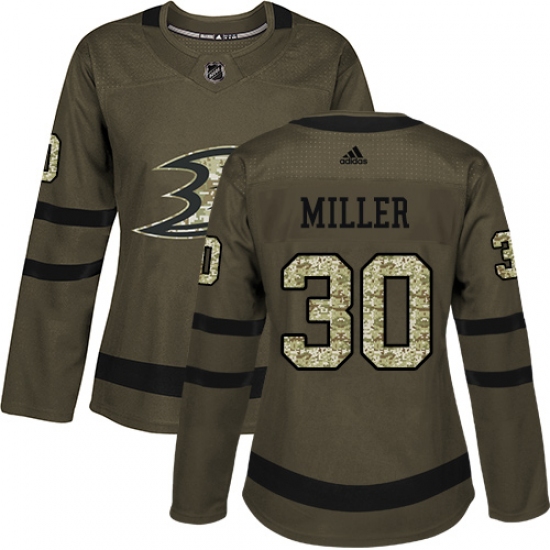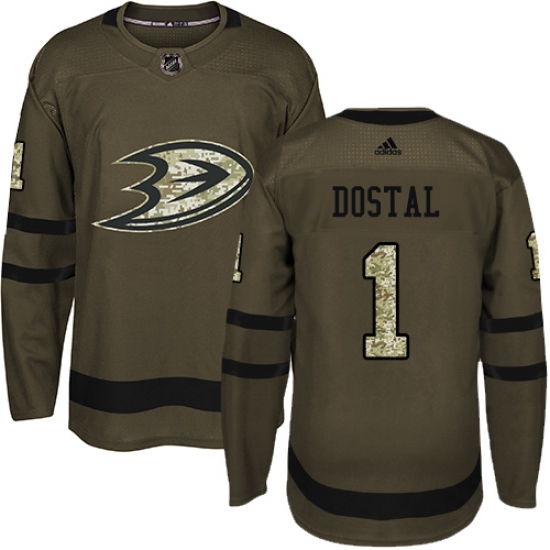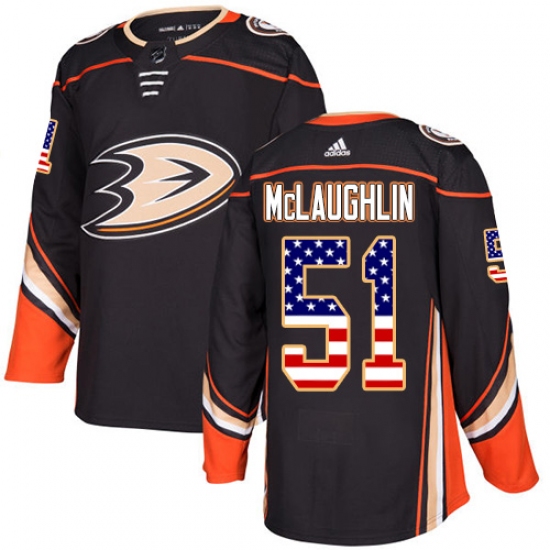
If you are hunting for a reliable Ottawa Senators jerseys wholesale supplier, the pricing games played by domestic middlemen are probably already eating your margin. Every layer between your store and the actual factory adds 15 to 30 percent to your landed cost, and that spread comes straight out of your profit. Buyers also worry about inconsistent embroidery, loose twill edges, and shipments that arrive three weeks after the season starts. This guide shows how to buy directly from a China source factory, what specs to demand, and how to keep your reorder quality identical to your first sample.
Senators red and black is one of the hardest colorways to match in low-grade fabric. Cheap mills dye polyester in batches with visible variance, so your second order arrives with a slightly orange red next to your first shipment. A real factory runs Pantone-matched sublimation and keeps dye lots documented. Ask for the lot number on your invoice before you wire a deposit.
Start with fabric weight. A serious pro-style jersey uses 100% breathable polyester mesh in the 300 GSM range, or a two-layer construction with a heavier shoulder yoke. Anything under 240 GSM feels like a practice pinnie and pills after five washes. Heavy mesh holds the crest flat, resists snagging on boards and sticks, and drapes correctly on a size 54 frame.
Numbers and lettering separate a $22 factory jersey from a $70 retail jersey. You want double-stitched Tackle Twill numbers — a base layer of twill with a second color appliqué stitched on top, then the whole stack sewn to the mesh with tight zigzag coverage. Single-layer heat-pressed vinyl looks fine in photos and peels in a dryer. Twill survives a decade.
Stitch density matters more than stitch count claims. Ask your supplier for a sample stitch-out at six to eight stitches per inch on the number edges and double-stitched hems on the body. Loose, wandering stitch lines mean the operator is running a machine past its speed setting. That is exactly where you get the frayed edges buyers complain about online.
Inside the jersey, look for soft interior backing behind the crest and numbers. Embroidered twill edges can be abrasive against skin, and youth players notice it immediately. A thin fusible or knit backing panel eliminates the scratch and also locks the stitch tension so the front panel does not pucker after washing.
Collars take abuse. Reinforced collar bands with a double row of stitching around the neck opening keep the shape after repeated pulling. On lace-neck styles, check that the lace grommets are set with a reinforced placket, not punched straight through single-layer mesh. A torn placket is a return you cannot resell.
Sizing runs differently than consumer retail. Most pro hockey garments use numbered sizing 46 through 60, mapped to chest measurements rather than S/M/L. Build your size chart from flat measurements — chest width, body length, sleeve length, hem width — and post the numbers instead of guessing. League buyers ordering 200 pieces need accurate runs, not averaged guesses.
Beware of anyone quoting you prices but refusing to name the factory. A trading office in Guangzhou that subcontracts to a third workshop cannot control your delivery date, and they cannot hold a QC standard. Ask which city the production line sits in, how many sewing heads they run, and whether they do in-house embroidery or send it out. Answers come fast from real factories.
Direct factory relationships also let you mix programs on one purchase order. A single container or air shipment can carry your retail pro jerseys, a set of bulk stitched ice hockey practice jerseys for a local league, and matching youth sizes. Consolidating freight across styles is one of the largest cost levers available to a reseller, and it only exists at the source.
Pricing scales in tiers, and the discount curve is steep. A typical structure runs from a 10-piece sample order at the highest unit price, down through 50, 200, 500, and 1,000-piece tiers where per-unit cost drops 20 to 35 percent. Confirm whether the tier price includes decoration, packing, and hang tags, or whether those are line-item adders.
Quality control is where cheap suppliers fail. A workable inspection standard: AQL 2.5 on major defects, AQL 4.0 on minor, with a random sample pulled from the finished cartons, not from a hand-picked display set. Major defects include misaligned numbers, wrong colorway, open seams, and crooked crest placement over 3mm off center.
Measure at least 10 percent of the order flat on a table. Tolerance should stay within 1cm on body length and chest width. Ask for photos with a tape measure visible in frame. Any factory that resists this has something to hide in the run.
- Fabric: 100% breathable polyester mesh, 300 GSM heavyweight body, 240 GSM minimum
- Decoration: double-stitched Tackle Twill numbers, embroidered crest, optional shoulder patches
- Comfort: soft interior backing behind crest and numerals, taped neck seam
- Build: reinforced collar band, double-stitched hems, Z-stitch bar tacks at seam stress points
- QC: AQL 2.5 major / 4.0 minor, measurements within 1cm, Pantone color verification
- Lead time: 5-8 days on stock blanks, 12-18 days on custom decorated runs
Always approve a pre-production sample before the bulk run starts. That sample is your legal reference. Photograph it under daylight, note the stitch lines, and keep the exact color chips. When the reorder arrives six months later, you compare against physical evidence instead of memory, and disputes get resolved in one email.
Shipping is straightforward once you pick a lane. Express couriers handle 30 to 100 kg door-to-door in 5 to 9 days, which suits sample orders and urgent restocks. Air freight works for 100 to 500 kg. Sea freight becomes economical past roughly 1 cubic meter, and a 20-foot container of jerseys is a large volume of goods for any single buyer.
Customization without crippling minimums is where a real source factory beats a brand licensee. Names, numbers, captain letters, sleeve patches, and league-specific fonts can all be produced on runs as small as 10 to 20 units per design. That makes it possible to serve a local minor hockey association with 14 different team sets on one order.
Reverse retro and vintage colorways sell steadily because collectors buy what they grew up watching. If you carry a vintage line, insist on the same twill and mesh spec as your current stock. Cheap retro runs use lighter fabric and printed crests, and the buyers who notice are the ones who spend the most with you.
Margin math is simple when you buy direct. A landed cost near $18 to $24 per stitched jersey against a $65 to $110 retail price leaves room for shipping, ads, and returns while still paying you properly. Add wholesale accounts at $38 to $45 and your order volume climbs without extra ad spend. This is how distributors build a business on 30 to 40 percent blended margin.
Care instructions should ship with every order, printed on a small card. Tell buyers to wash cold, inside out, on a gentle cycle, and to skip the dryer entirely.
Heat destroys twill adhesive and dulls mesh sheen. No ironing directly on numbers or crests. Hang to dry, and a stitched jersey holds shape for years.
Reorders are where money is made or lost. Insist that the factory archives your artwork files, Pantone references, and measurement specs under a customer code. Then a reorder is one email and a quantity, not a full re-spec conversation. Factories that keep proper archives ship identical goods three years later.
Q: What is the minimum order for custom hockey jerseys?
For stock blanks with heat-applied names and numbers, 10 pieces is workable. Fully stitched custom crests usually start at 20 to 30 units per design. Mixed size runs within one design do not raise the minimum.
Q: How do I verify quality before paying the balance?
Request a pre-shipment inspection report with photos, measurement records, and a random sample pulled from packed cartons. Pay the balance against that report, not against a promise.
Q: How long does production and delivery take?
Stock inventory with decorating takes 5 to 8 working days. Custom production runs 12 to 18 days. Express shipping adds 5 to 9 days in transit depending on destination.
Q: Can you match a specific team color exactly?
Yes. Send a Pantone number or a physical fabric swatch. The factory dye lot is documented, and that record carries forward to every future reorder for color consistency.
If you want to see actual construction up close, review the full catalog and request a physical sample before committing to volume. Everything on jerseyswholesalechina.com ships from the source line with first-hand factory pricing, low minimums on mixed styles, and express or freight delivery worldwide. Send your size breakdown and target quantity, and you will get a landed-cost quote with decoration options and lead times the same business day.