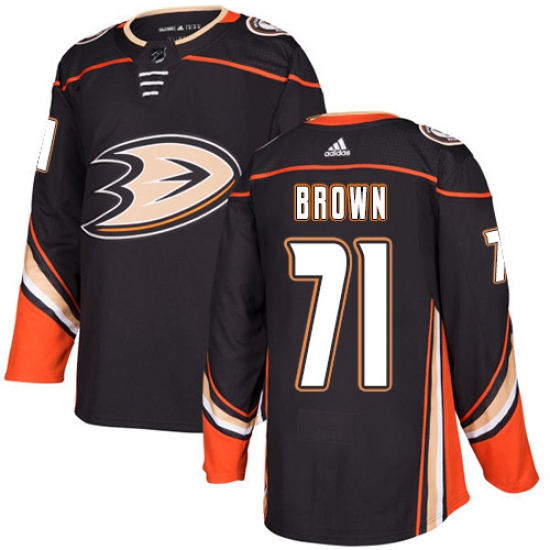
Sourcing custom NFL jerseys with names and numbers through the right China factory is the fastest way to protect your resale margin. When you buy through three or four layers of overseas middlemen, every hand you pass through takes 15% to 25% off your profit before the jersey even reaches your warehouse. The other common headache is inconsistency — one batch has clean tackle twill, the next arrives with crooked stitching, loose threads, and numbers peeling after two washes.
Direct factory sourcing solves both problems at once. You deal with the plant that actually cuts, sews, embroiders, and packs the goods, which means one price layer, one quality standard, and one point of accountability for the whole order.
Start with fabric, because that is where cheap suppliers cut first. A legitimate factory uses 100% breathable polyester mesh at 300 GSM for the body panels — dense enough to hold shape through a full season, light enough for ventilation. Thinner 180-220 GSM mesh feels flimsy in hand and tears at the shoulder seams under repeated pulling.
- Body fabric: 100% breathable polyester mesh, 300 GSM heavyweight option
- Side panels: engineered mesh with moisture-wicking finish
- Stretch zones: spandex-blend inserts at the underarm and side seam
- Colorfastness: grade 4 minimum after 40 home washes
The nameplate and numbers are the second quality gate. Ask any supplier whether the numbers are double-stitched Tackle Twill or single-layer heat press. Double-stitched twill uses two fabric layers with dense zigzag edging, so the number keeps its structure instead of curling at the corners. Single-layer printed numbers crack within a season and instantly signal a low-end product to your customers.
Inside the jersey, look for soft interior backing behind every embroidered area. This is the thin fusible layer that stops scratchy stitch ends from rubbing against the skin. Buyers rarely inspect it, but players notice it immediately on the field. The best factories also add reinforced collar bands with double row stitching, so the neckline does not stretch out after repeated wear.
Z-stitch reinforcement at the shoulder seam, armhole, and hem vents is another detail that separates real factory output from trading-company goods. A Z-stitch locks the seam edges and spreads tension, which is exactly what you need on a jersey that gets pulled over shoulder pads or worn for ninety minutes of contact play.
The customization workflow matters just as much as the materials. Send a roster spreadsheet with player names, numbers, sizes, and any sleeve or chest patches, and the factory should return a digital mockup within 24 to 48 hours. Confirm the font — block, athletic, or a licensed-style custom cut — along with the stitch color code before production starts. This one step prevents 90% of bulk order disputes.
Size range is where serious custom NFL jerseys with names and numbers programs beat hobby suppliers. Expect S through 4XL in adult cuts, plus youth S-XL and women's tapered fits. Ask for the factory's measurement tolerance — a professional plant holds chest width within ±1 cm of the spec sheet, not ±3 cm.
Do not accept a single generic size chart. Adult and youth patterns should each have their own grading, and the factory should be able to send a physical measurement sheet showing chest, length, and sleeve specs per size. Resellers who publish accurate size charts cut their return and exchange rate by more than half.
Pricing works on a tier ladder. Typical direct factory structure looks like this:
- 24-49 pcs: sample and small team pricing
- 50-199 pcs: first real wholesale tier, mixed sizes allowed
- 200-499 pcs: better unit cost, free name and number customization on most styles
- 500+ pcs: best rate, negotiable terms, priority production slot
Mixed sizing within a tier is normal for a factory that stocks blanks. If a supplier forces you into full size runs of 12 or 20 per design, you are likely dealing with a reseller, not the plant.
Quality control is the part most buyers skip, and it is the part that decides whether you get reorders. A workable inspection standard for a bulk NFL order includes an AQL 2.5 general inspection, a stitch pull test on every number, colorfastness verification, and a measurement audit against the approved spec sheet.
- Stitch density: minimum 8-10 stitches per inch on twill borders
- Thread tension: no puckering at the seam line
- Symmetry: numbers aligned within 3 mm left to right
- Trim: no loose thread over 5 mm on any panel
- Print adhesion: flex test on any screen-printed patch
Always order a pre-production sample before a large run. Approve it, sign it, and keep it on file. That approved sample becomes the gold standard for the inspection, and it gives you leverage if the bulk lot drifts on fabric weight or stitch color.
Lead time depends on whether you buy stock or production. In-stock embroidered blanks typically ship in 5 to 10 days. Fully custom runs with names, numbers, and patches take 15 to 25 days after sample approval. Add 3 to 7 days for air express transit. If you need goods for a specific season, order at least eight weeks before your sell-through window.
Shipping is straightforward on volume. Air express through DHL, FedEx, or UPS works for 50-300 pcs and protects your cash flow on fast-moving styles. Sea freight or rail makes sense above 1,000 pcs when unit cost matters more than speed. Many factories now offer DDP terms, so your landed cost is fixed before the container leaves.
Packaging should be retail-ready if you sell direct. Ask for individual polybags, a hang tag with your own branding, size stickers, and master carton labeling with SKU codes. Doing this at the factory costs cents per unit; doing it in your own warehouse can cost a dollar or more.
Restock programs are the quiet advantage of working with a real plant. Once your pattern, fabric color, and stitch files are on record, reorders can skip the sampling stage entirely. You go from a 25-day production cycle down to a 10 to 14-day reorder cycle, which means you can react to demand instead of guessing months ahead.
Care instructions you should pass to your customers keep the product looking good and cut complaints. A stitched jersey is not fragile, but it does have rules:
- Turn inside out before washing to protect the tackle twill
- Cold water, gentle cycle, mild detergent, no bleach
- Never iron directly on numbers or nameplate — use a pressing cloth on low heat
- Hang dry or tumble on low; high heat shrinks mesh and lifts stitches
- Keep away from velcro and abrasive straps during storage
When you vet a new factory, check five things before you send a deposit. Ask for video of the actual production floor, not a showroom. Request the GSM certificate or a fabric swatch for a burn test. Confirm whether embroidery is done in-house or subcontracted. Ask how many QC staff work the final inspection line. Finally, request two references from buyers in your region and call them.
Do the margin math before you commit. If your retail or team price is $65 and your landed factory cost is $19 to $24 per stitched unit, you are holding 60% plus gross margin — enough to cover marketing, returns, and still fund the next order from cash flow. That gap disappears the moment a middleman adds $8 to $12 per jersey.
Timing your buys around the season also improves cost. Factories are quietest between February and May for football, which is when you can negotiate better tier pricing and lock capacity. Ordering in September puts you behind every other buyer and into the worst freight rates of the year.
Q: What is the minimum order for custom names and numbers?
Most direct factories start customization at 24 to 50 pieces per design, and mixed sizes are usually accepted within that quantity. Full custom patterns with new artwork may require a slightly higher opening order.
Q: How long does a bulk order take door to door?
In-stock styles run about 10 to 15 days door to door by air. Fully custom production with names, numbers, and patches typically lands in 25 to 35 days depending on destination and customs clearance.
Q: Are the numbers stitched or printed?
Stitched double-layer Tackle Twill is the standard for wholesale-grade jerseys. Printed numbers are available for budget lines, but they crack faster and should be priced accordingly.
Q: Can you match our own brand tags and packaging?
Yes. Custom woven neck labels, hang tags, polybags, and carton SKU labels are standard add-ons, usually with a small one-time setup fee per logo.
Ready to lock in factory pricing before the next season rush? Browse the full Jerseys Wholesale China catalog to see current stock styles, fabric specs, and tier pricing. You get first-hand factory rates, low MOQ entry points, and worldwide direct shipping with tracking on every parcel — so your margin stays where it belongs.