Custom hockey uniforms no minimum is the exact request most league managers, pro shops, and distributor buyers send us every week — and it is only profitable when the order runs straight off a China factory floor instead of through three resellers. Every middleman between the rink and the sewing line takes a cut, and by the time a decent stitched hockey jersey reaches a US distributor it lands at $78 to $95 wholesale on a garment that cost $22 to build.
That gap is your margin. The real problem is most buyers never see the production floor, so they cannot verify whether the numbers are actually double-stitched, whether the mesh is 300 GSM or a 150 GSM bedsheet, or whether the factory will hold a size run for a youth program that only needs 24 pieces.
Here is how the direct China supply chain works when you deal with the source instead of a trading desk, and what to inspect before you wire a deposit.
Start with the fabric, because it decides everything downstream. A serious hockey shell uses 100% breathable polyester mesh in the 220 to 300 GSM range, knit tight enough that the eyelets hold their shape after twenty washes. Cheap fabric pills at the shoulder yoke, sags under the arm, and turns translucent on the back panel under arena lighting — buyers notice that in ten seconds at a trade show table.
Ask for the knit construction, not just the weight. Air-knit for the body, mesh inserts under the arms and along the back, and a slightly heavier knit for the shoulder caps gives you the structure a pro-style jersey needs. If a supplier cannot tell you the yarn denier or the GSM, they are sourcing from a trading company, not a mill.
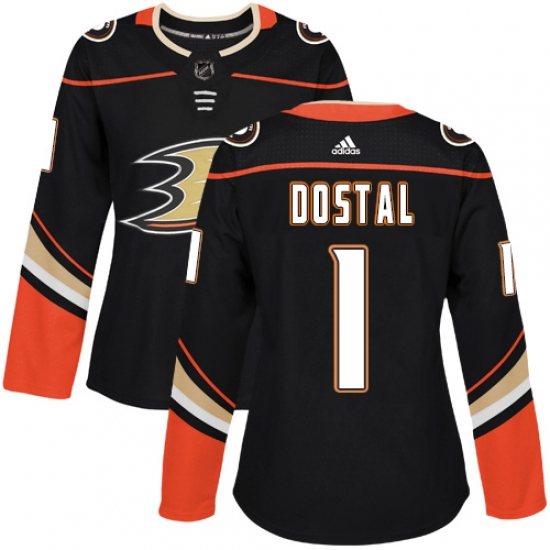
Stitching is where cheap suppliers expose themselves. Real double-stitched Tackle Twill numbers are cut from twill fabric, layered with a second colored layer for outlines, then sewn down with two parallel rows of thread plus a Z-stitch bar at every stress point. Printed or heat-pressed numbers crack at the corners within a season, and single-stitch twill peels at the 12th wash.
Look at the interior side of the crest. A factory that cares about wearability applies a soft interior backing over the embroidery so the thread ends never scratch a player's chest through a base layer. Cheap builds leave the bobbin thread exposed, which is both uncomfortable and a fast way to get returns from a youth league.
The collar deserves its own inspection. Reinforced collar bands with a proper V-notch or lace-up insert should hold their shape flat on a table and stay flat after machine washing. If the collar curls up after drying, the factory used a low-melt interlining to save eight cents per piece.
No-minimum programs are real, but they work in tiers rather than as a single flat deal. A typical structure looks like this:
- 24–49 pieces: sample-tier pricing, mixed sizes, embroidery names and numbers included
- 50–199 pieces: first wholesale break, typically 15–20% below list
- 200–499 pieces: second break, custom colors and custom shoulder patches unlocked
- 500+ pieces: full stock-program pricing with reserved dye lots and priority slotting
That tiering matters when you sell to a rec league in August and a high school booster club in November. You can test a design at 24 pieces, then reorder the same color lot at 200 without the shade drifting two tones lighter.
Customization runs deeper than names and numbers. You can spec sublimated shoulder patches, embroidered team crests, custom striping on the hem and sleeves, and lace-up collars in a contrasting twill. Send vector files in AI or EPS format with Pantone references — a JPEG logo gets redrawn by an artist who guesses at your colors.
On the factory side, production starts with a photo proof of the artwork laid out on the actual garment color. Nothing goes to the embroidery line until you approve that proof in writing. This single step prevents 90% of the disputes that come up on custom hockey uniforms with no minimum order.
Sizing is the other quiet killer. Hockey buyers need three separate size ranges: adult player cuts, youth cuts, and goalie cuts with the wider body and longer sleeves. Ask for a measurement sheet with chest width, body length, and sleeve length in inches, not S/M/L labels, and confirm your target market's fit preference before the first cut.
Bulk production should never ship on trust. Standard practice at a real source factory is a 4-point fabric inspection before cutting, an inline check at the sewing station, and an AQL 2.5 final audit on the packed cartons. Ask for the inspection report with photos of random cartons, not just the hero shot of one perfect jersey.
Needle detection is non-negotiable for anything touching youth hockey. Every finished piece passes through a conveyor needle detector and gets a security tag before polybagging. If your supplier skips this, you are one lawsuit away from a very expensive season.
Lead time expectations should be set before you pay. Custom production runs 12–18 working days after artwork approval, plus 5–8 days for air express or 25–35 days for sea freight. Rush slots exist if you book them early in the quarter, but nobody can produce and ship 800 stitched hockey jerseys in four days, no matter what a broker promises.
Packing matters for resellers. Standard export packing is one polybag per piece with a size sticker on the bag, then master cartons of 30 to 50 pieces sorted by size. If you ship to a fulfillment center, ask for individual polybagging with your own SKU labels so your warehouse does not repack 600 jerseys at $1.20 each.
Pricing math gets simple once you cut the middle layers. A 300 GSM stitched jersey with twill numbers lands around $24–$29 FOB China depending on quantity, patch count, and collar style. Sell that at $75–$95 to your accounts and you are holding roughly 60% gross margin — the kind of number a reseller simply cannot reach buying from a US distributor at $70 per unit.
To buy well, follow four rules. Request a physical sample before any bulk order, even if it costs $60 with freight. Photograph and date the approved sample so the bulk has a benchmark. Lock your color Pantone numbers into the invoice. And always negotiate the second order, not the first, because the factory already has your digitized artwork on file and the setup cost is gone.
Care instructions protect your margin too. Machine wash cold inside out, no fabric softener, hang dry or tumble low. Softener coats the twill and kills the sheen, and high heat shrinks polyester mesh at the back panel. Pass those three lines onto your retail customers and your return rate drops noticeably.
If you run a league or a pro shop, build a stock program instead of one-off buys. Reserve a dye lot, hold 15% of the quantity as blank stock, and pull from it mid-season for late registrations. Late add-ons at list price are pure profit, and they are the fastest way to convert a single season into a multi-year account.
Compliance needs a line too. If you are selling licensed team merchandise, buy only blanks from the factory and apply licensed patches under your own agreement. Our line is blank stock and custom team builds, which keeps your business clean and your margins intact.
When you are comparing suppliers, request the same three things from each one: a physical sample, a written spec sheet with GSM and stitch counts, and a photo of the actual production floor. The supplier who sends all three within a week is the one who will still be answering emails when your February reorder lands. You can review current stock, tier pricing, and spec sheets at NHL hockey jerseys direct from the factory.
Q: What is the true minimum order for custom hockey uniforms?
A: 24 pieces per design is the practical floor for stitched custom work, because the digitizing and setup cost is amortized across the run. Sublimated designs can go as low as 10 pieces, but the per-unit price rises sharply below 24.
Q: How long does artwork digitizing take?
A: One to two working days for a standard crest plus name and number fonts. Complex multi-layer crests with gradients take three to four days, and you approve a photo proof before anything is sewn.
Q: Can I mix sizes within a no-minimum order?
A: Yes. Size runs can be split across youth, adult, and goalie cuts as long as the total quantity meets the tier you are buying at. There is no per-size minimum.
Q: What payment terms do source factories offer?
A: Most run 30% deposit with 70% against the bill of lading for first orders, then 30/70 net terms for repeat buyers with a clean history of three or more completed shipments.
Send your artwork, your size breakdown, and your target delivery date, and you will get a real factory quote within one business day — not a broker's guess. Jerseys Wholesale China sits directly on the production line for NHL, NFL, MLB, and NBA builds, with low MOQ entry points, first-hand factory pricing, and worldwide express or sea freight dispatch. Head to www.jerseyswholesalechina.com to pull the full catalog and lock your season pricing before the next production slot fills.